u3Green
Promotion of child and youth-friendly urban landscapes through participatory research on urban green
Urban green is an important component of cities and plays a central role in our well-being. These include parks, playgrounds, gardens, sports areas, green strips, as well as green roofs and courtyards. In addition to their influence on the urban climate (incl. temperature, humidity, and air quality) through regulating ecosystem services, urban green is also of major importance for cultural ecosystem services. These refer to aspects such as recreation and leisure, experiencing landscapes, education, spirituality, mental and physical health, social interaction, and community building. However, the significance of urban green with regard to cultural ecosystem services, as well as the requirements for their design and infrastructure, vary among different social groups. These differences must be understood and incorporated into planning processes. Besides the extent and type of vegetation, this also concerns accessibility and infrastructure such as pathways, seating areas, sports and play equipment, and service facilities. Here, in particular, the needs and expectations of young people are often not sufficiently known to urban planners. Now, given the fact that the situation of young people - especially in urban areas - has deteriorated significantly in recent years, there is a clear need for action to better understand the importance of and requirements for urban green from the perspective of young people and to communicate these insights to decision-makers for future consideration.
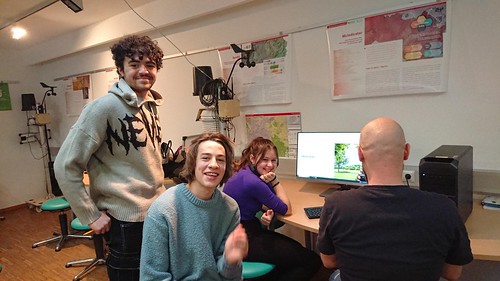
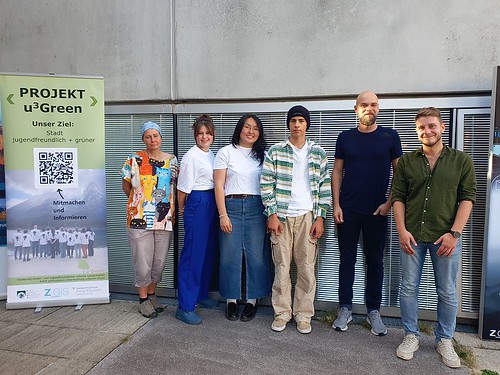
The u3Green project therefore investigated the significance of urban green for young people, how these spaces are used and which needs they have. A key aspect of the project was the close collaboration with schools, including especially school students. Young people were directly and actively involved in all work of the project. They developed an online questionnaire which was filled out by 773 young people between the ages of 10 and 22. The participating students then analyzed and interpreted the responses, i.e. the data. The results were subsequently presented in story maps to communicate the findings in a clear and engaging way. These story maps were ultimately presented to and discussed with urban planners and politicians.
In summary, the school students developed the following findings: For young people, urban green is frequently used and considered primarily as social spaces where they meet friends, engage in sports, and spend their leisure time. Functionally equipped areas are considered particularly significant, with comfort, safety, sports facilities, and accessibility being especially relevant. Usage patterns differ partly according to gender: boys associate urban green more strongly with sports, especially football, while girls use them more often for recreation, walks, and social activities. Regarding facilities and infrastructure, the findings showed that seating areas, open spaces, lighting, cleanliness, and green elements such as trees and flowers are especially important.
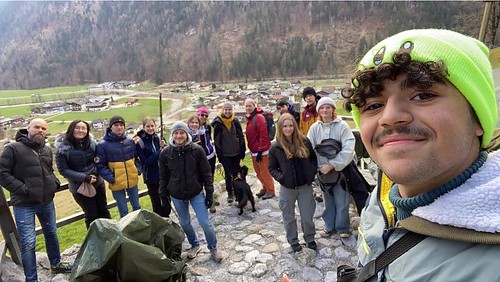
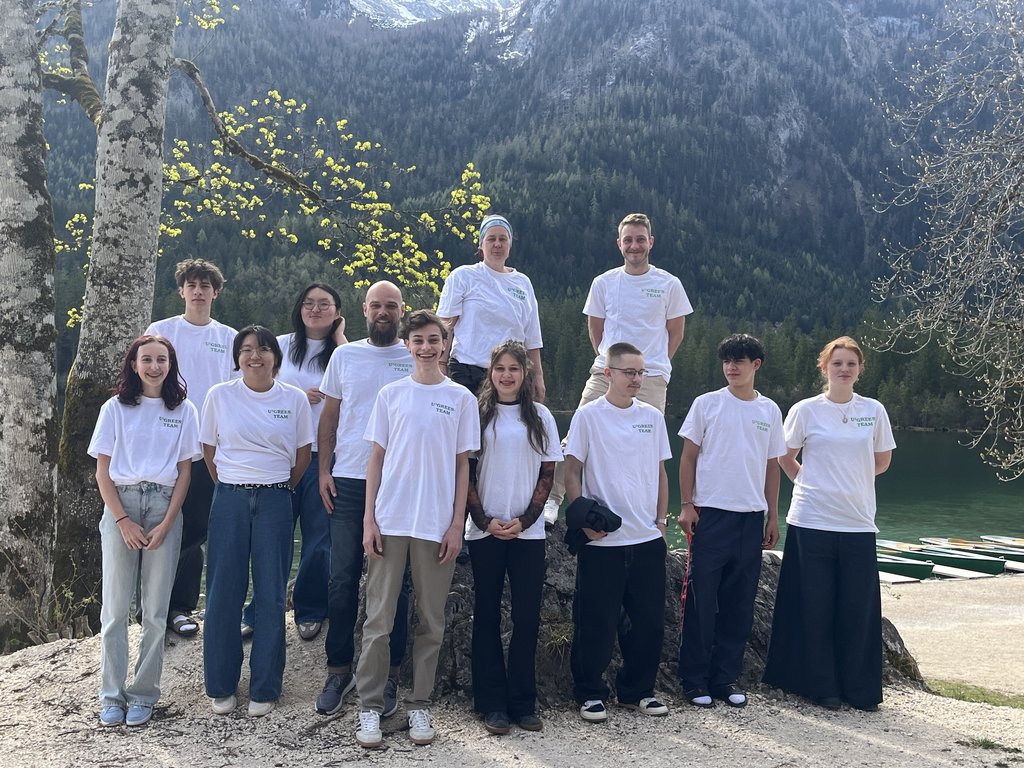
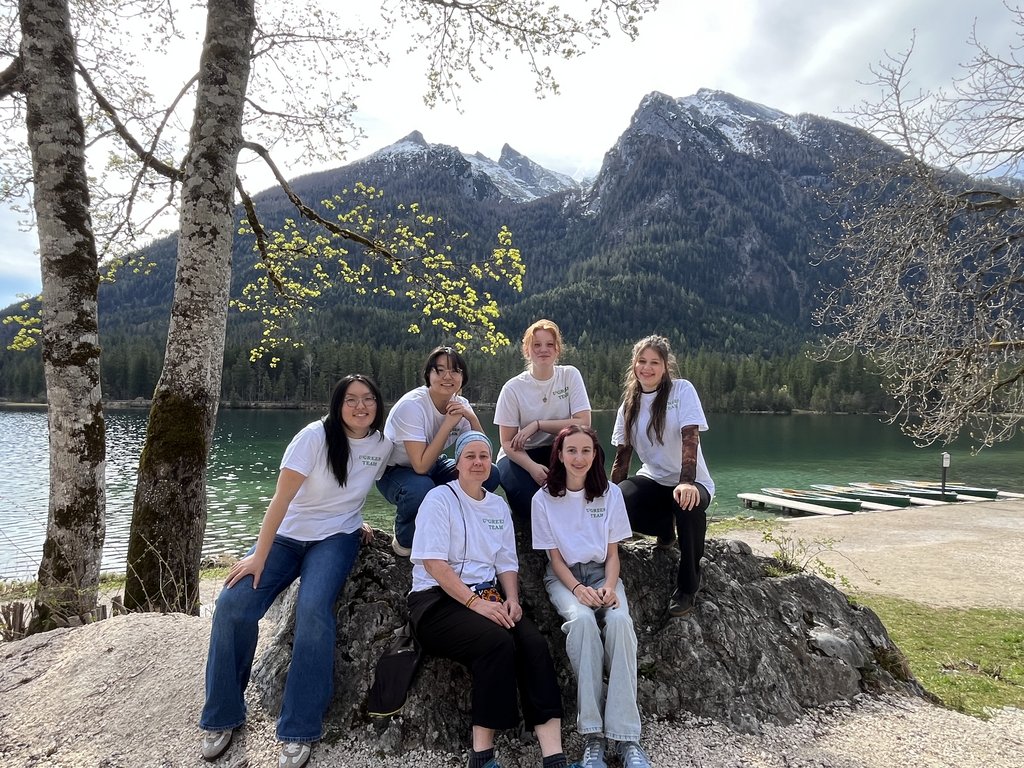
The participating school students were not only involved in all aspects of the work, but ultimately also made decisions regarding the design of the questionnaire, the analysis and interpretation of the data, and the implementation of the story maps. Collaboration took place with seven partner schools, in addition, 32 school students participated through internships. In this way, extensive information was gathered on the importance of urban green for young people, as well as on participation with young people—information that would otherwise not have been available.
This project is already completed.
Publikation
-
2026-06-08, Standort - Zeitschrift für Angewandte Geographie
-
2026-06-08, NuL
-
2026-06-08, World Leisure Journal
-
Hennig, S.: Youthmapping Initiative Salzburg (Opens in new window)2026-05-07, CIVIS OL. Contemporary Childhoods Madrid
-
Hennig, S., Vogler, R., Schötz, T.: u3Green -Partizipation und Citizen Science mit jungen Menschen (Opens in new window)2026-05-07, OISzam Salzburg Salzburg
-
Hennig, S., Vogler, R., Schaller, J., & Schötz, T.: Expanding the use of digital geomedia in education for sustainable development: providing particularly suitable teaching materials (Opens in new window)2026-05-07, MMV 2024 - International Conference on Monitoring and Management of Visitor Flows in Recreational and Protected Areas Schneverdingen
-
Vogler, R., & Hennig, S.: Geomedia and Education for Sustainable Development in visitor management: fundamentals of the Spatially Enabled Learning approach (Opens in new window)2026-05-07, MMV 2024 - International Conference on Monitoring and Management of Visitor Flows in Recreational and Protected Areas Schneverdingen
-
Schötz, T.: Young people’s participation in urban green planning (Opens in new window)2026-05-07, AGIT 2025 Salzburg
-
Hennig S: u3Green - Participation and citizen science (Opens in new window)2024-04-25, ESCA Wien
-
Schötz T, Hennig S, Vogler R: u3Green - Participation and citizen science with young people (Opens in new window)2024-03-28, Zukunft Fachdidaktik GW Schlierbach
-
Hennig S, Vogler R, Schötz T, Strobl J, Imanalieva P: Towards more User-Centered Contributory Citizen Science Initiatives: Learning from the u3Green Approach (Opens in new window)2023-12-11, International Journal of Geoinformatics19/11
-
Vogler R: Experiences from u3green and ESDplus (Opens in new window)2023-10-18, UN SDG Summit New York
-
Waltl D: Sustainable people-centered cities: focusing urban green (Opens in new window)2023-07-12, GI_Salzburg Salzburg
-
Hennig S , Vogler R: learning from the u3Green approach (Opens in new window)2023-07-11, GIS-in-Central-Asia Conference Bishkek
-
Vogler R , Hennig S , Albrecht F: Urban Green for Child- and Youth-Friendly Cities (Opens in new window)2023-07-11, GI_Forum Journal2023/1
-
Hennig, S , Vogler, R , Pánek, J: Survey123 for ArcGIS Online (Opens in new window)2023-07-10, Evaluating Participatory Mapping Software Springer Cham167-188
 Schools
 Partners from Economy and Society
 Scientific institutions