Transform4School
Transformation by Participation: Model Schools for learning of democracy and peace
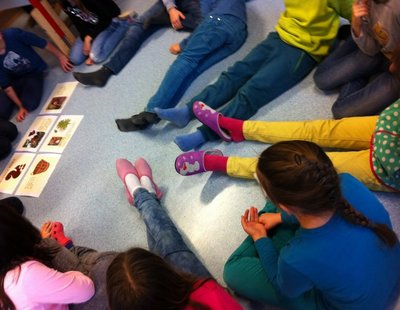
From 2022 to 2026, the Sparkling Science project Transform4School explored a simple but important question: How can democracy become a lived experience in everyday school life, rather than just a topic taught in the classroom? Working with selected primary and middle schools in Carinthia and Lower Austria, the project created opportunities for students to actively shape their school environment. The aim was to strengthen democratic participation and encourage young people to take responsibility for their school community. A central element of the project was the introduction of class councils and student parliaments. Through these participatory structures, students learned what democracy means in practice. They discussed questions such as: What responsibilities come with representing others? How are decisions made in a community? What are the limits of participation, and how can they be expanded?
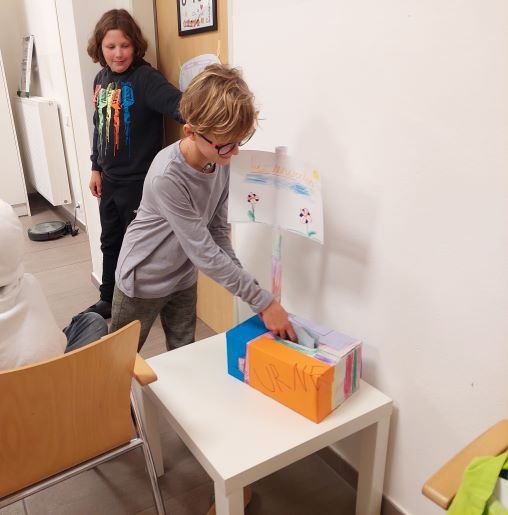
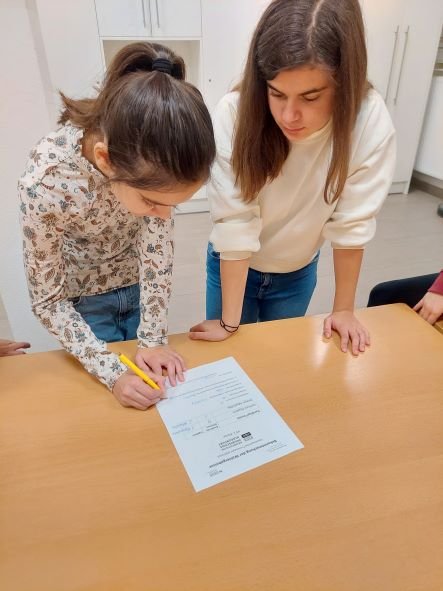
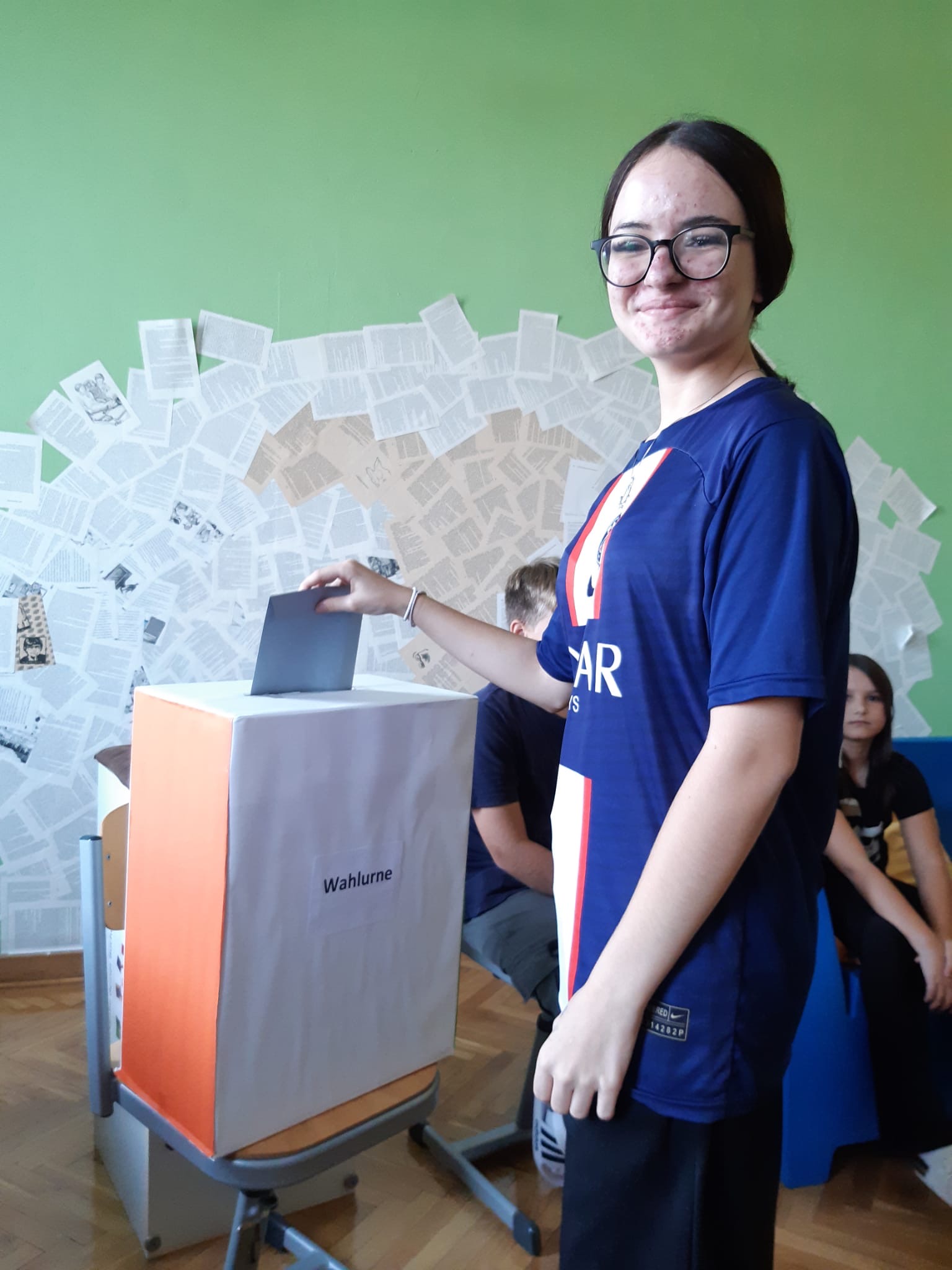
Students were involved in every step of the democratic process. They organized elections, prepared candidate lists, built ballot boxes, managed voting procedures, and counted the votes. In doing so, they gained first-hand experience with democratic decision-making and representation. The class councils and student parliaments addressed issues that mattered to students in their daily lives—from improving break times and school rules to developing environmental initiatives and promoting inclusion and respect. These local concerns were connected to the United Nations Sustainable Development Goals (SDGs), helping students understand how challenges in their own schools relate to wider global issues. The project also offered opportunities to learn beyond the classroom. Students visited the Carinthian State Parliament and traveled to the pioneering Laborschule Bielefeld in Germany, where they experienced innovative forms of participation in education.
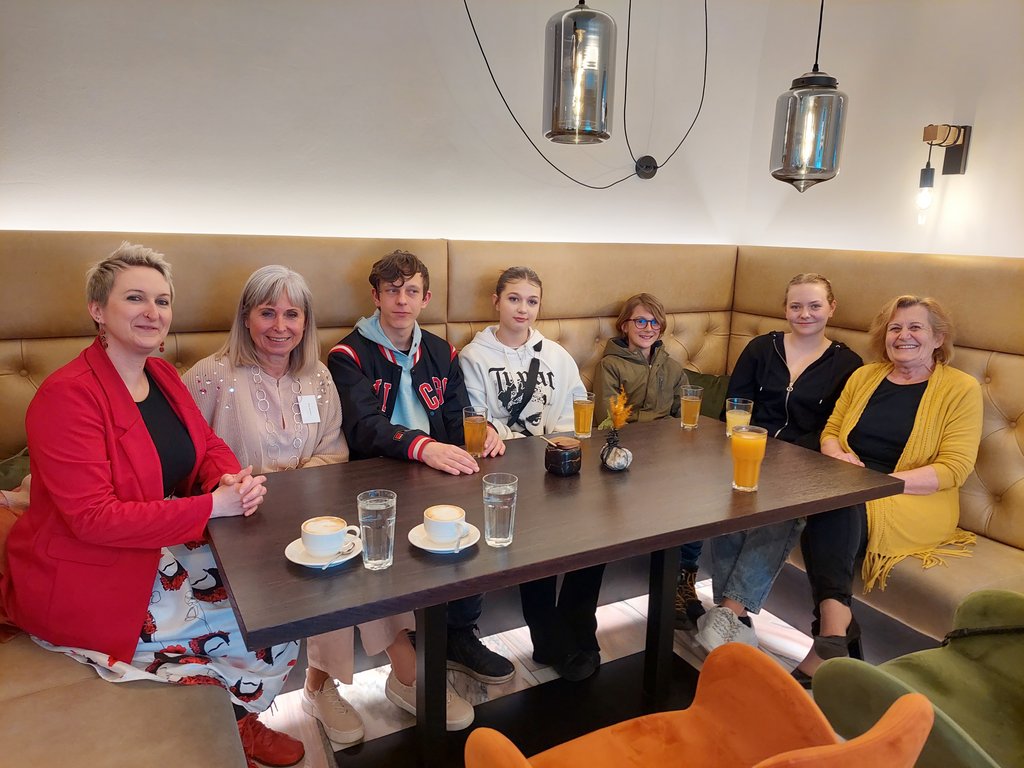
Transform4School followed a Citizen Science approach. Researchers from the University of Klagenfurt, working together with the University College of Teacher Education Carinthia, collaborated closely with schools rather than conducting research from the outside. Teachers, school leaders, and students all contributed their perspectives and experiences to the research process. This collaboration created a shared learning journey. Teachers explored new roles as facilitators and mentors, while students were recognized as experts on their own school experiences. Creative methods such as PhotoVoice, rap, and forum theatre gave young people additional ways to express their ideas, concerns, and visions for change. The project showed that democratic learning takes time, trust, and meaningful opportunities to participate. Students developed a stronger awareness of their rights, learned how to negotiate and resolve conflicts constructively, and gained confidence in their ability to make a difference. Teachers and school leaders reflected on established hierarchies and explored new ways of sharing responsibility within the school community.
Although Transform4School officially concluded in 2026, its impact continues. The insights and experiences gained have contributed to the development of analog and digital democracy games, and the work is being carried forward through the follow-up project transform2gether. Together, these initiatives aim to strengthen democratic school culture and inspire participation throughout the Austrian education system.
This project is already completed.





Publikation
-
Jaksche-Hoffman E., Kerschbaumer F., Rippitsch D.: „Transform4School“: Ein Projekt- und Erfahrungsbericht (Opens in new window)2026-06-19, jlb - journal für lehrerInnenbildung03/26
-
Peterlini HK., Jaksche-Hoffman E., Kerschbaumer F., Rippitsch D.: Zwölf Lernerfahrungen zu Schule und Demokratie - eine Auswertung im Austausch mit der Künstlichen Intelligenz (Opens in new window)2026-06-10, Wir sind Schule Beltz-Juventa Weinheim138-1441
-
Pizzali E.: Das Schüler:innen-Parlament aus der Perspektive eines Schulleiters (Opens in new window)2026-06-10, Wir sind Schule Beltz-Juventa Weinheim126-138
-
Weisseneder K.: Lernerfahrungen, Zweifelsfragen, Anregen und Tipps - in kleinen Schritten zum großen Ziel schulischer Partizipation (Opens in new window)2026-06-10, Wir sind Schule Beltz-Juventa Weinheim102-1251
-
Stadtmann R.: Aha-Erlebnisse und Blitzlichter von der Demokratiearbeit an der Mittelschule 10 St. Peter in Klagenfurt (Opens in new window)2026-06-10, Wir sind Schule Beltz-Juventa Weinheim98-1011
-
Palaver E., Esterl A.: Wie kann die Einrichtung von Klassenräten und Schüler:innen-Parlament gelingen - Ein Erfahrungsbericht (Opens in new window)2026-06-10, Wir sind Schule Beltz-Juventa Weinheim77-971
-
Rippitsch D., Esterl A., Palaver E.: Schuldemokratie im Spannungsfeld von Macht und Ermächtigung (Opens in new window)2026-06-10, Wir sind Schule Beltz-Juventa Weinheim59-761
-
Peterlini HK.: Das Zusammenwirken von Raum, Zeit und Leib im schulischen Dasein (Opens in new window)2026-06-10, Wir sind Schule Beltz-Juventa Weinheim59-761
-
Jaksche-Hoffman E., Rippitsch D., Esterl A., Palaver E.: Demokratische Kommunikationsstrukturen als Motor schulischer Partizipation (Opens in new window)2026-06-10, Wir sind Schule Beltz-Juventa Weinheim28-42
-
Kerschbaumer F.: Historische und strukturelle Perspektiven auf demokratische Schulentwicklung (Opens in new window)2026-06-10, Wir sind Schule Beltz-Juventa Weinheim17-271
-
Peterlini HK.: Einführung: Skizzen und Etappen eines Abenteuers (Opens in new window)2026-06-10, Wir sind Schule Beltz-Juventa Weinheim9-161
-
Peterlini, HK., Sandner, I.: Das Projekt "Schülerparlament" an einer Neuen Mittelschule in Kärnten (Opens in new window)2026-06-02, Projektbezogene Kooperation von Schule und Universität Waxmann Münster223-2401
 Schools
 Partners from Economy and Society
 Scientific institutions