Micro-Tramper
Microbial dynamics along the food chain
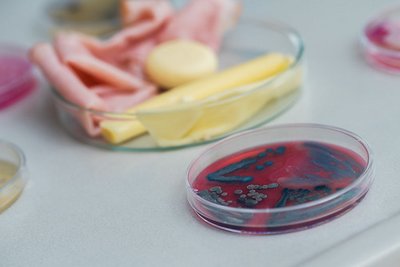
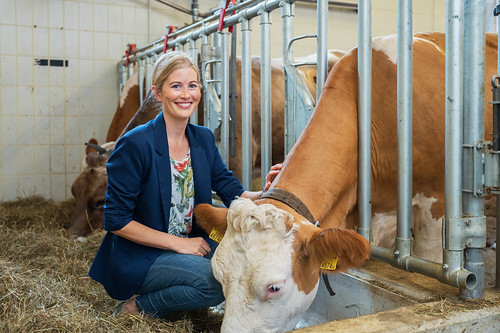
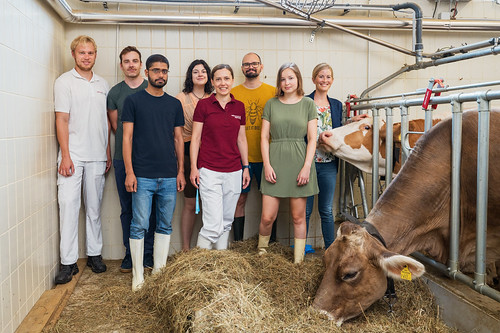
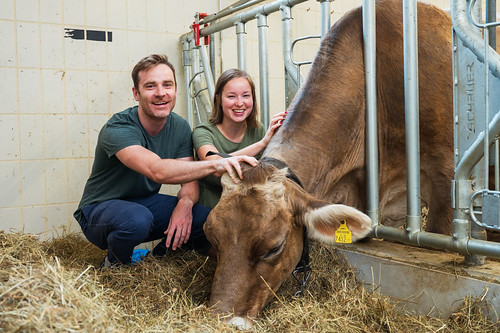
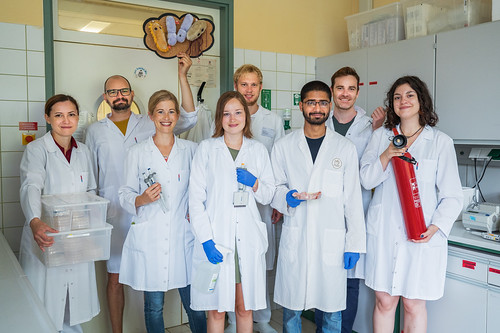
In the Micro-Tramper project, students had the opportunity to experience modern microbiome research first-hand and actively contribute to it. Together with researchers from the University of Veterinary Medicine Vienna, they investigated microbial communities along the food chain, ranging from agricultural farms and food products to food processing environments and their own households. The aim of the project was to make the fascinating world of microorganisms visible, promote a better understanding of microbial diversity, and provide young people with direct insight into contemporary scientific research.
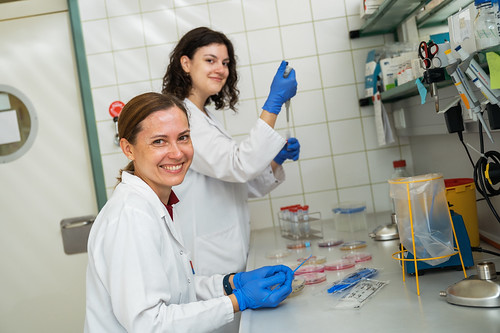
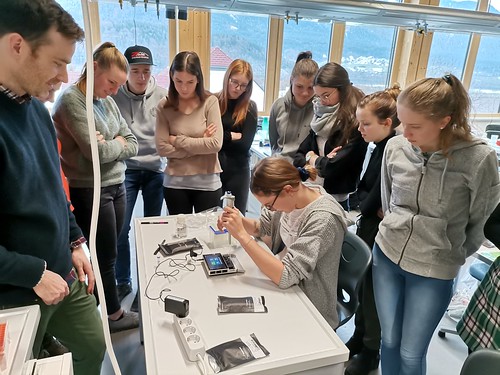
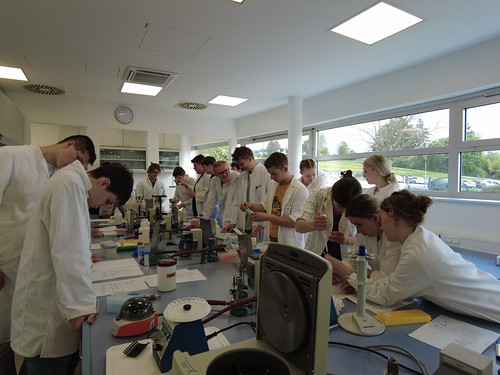
The students applied the same methods used in professional research projects. They collected samples from their everyday environments, isolated microbial DNA, prepared it for sequencing, and analyzed the resulting data using modern bioinformatics tools. Through the use of portable MinION sequencing devices, DNA sequencing could be carried out directly in schools, bringing cutting-edge research technologies into the classroom.
The students were not merely participants but active contributors to the research process. They identified relevant research questions, conducted investigations independently, and discussed the significance of their findings in the context of hygiene, food quality, sustainability, and health. In this way, they experienced scientific practice first-hand and developed a deeper understanding of evidence-based decision-making.
Throughout the project, students took on a variety of roles. They became researchers analyzing microbiomes and interpreting scientific data. At the same time, they acted as advisors to family-owned farms and small businesses by evaluating hygiene measures and discussing potential improvements based on their results. In other project activities, they assumed the role of consumers and sensory evaluators, for example when assessing self-produced cheese products. This diversity of perspectives enabled the students to gain a holistic understanding of research and its relevance to society.
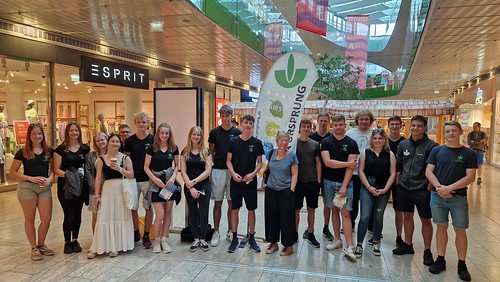
Another important focus of the project was science communication. In professionally guided communication workshops, students developed presentations and outreach materials for different target audiences. They subsequently presented their research findings at public events, including trade fairs, livestock auctions, markets, school events, and activities in public spaces. In doing so, they became ambassadors for science and demonstrated that research can be understandable, engaging, and highly relevant to society.
Beyond its scientific achievements, Micro-Tramper made an important contribution to scientific literacy and helped reduce skepticism toward science. At the same time, the often one-sided negative perception of microorganisms was challenged and replaced by a more nuanced understanding of their essential roles in human health, environmental sustainability, and food production.
The project’s long-term impact is ensured through the sustainable integration of both infrastructure and expertise within the partner schools. The sequencing devices used during the project remain at the schools and continue to be employed for teaching, diploma projects, and future research activities, thereby fostering lasting connections between schools and scientific research.
This project is already completed.
Publikation
-
Strachan C: Microbial Population Genomics and Metabolic Trade-offs in the Rumen Microbiome (Opens in new window)2026-05-28, Veterinärmedizinische Universität Wien
-
2026-05-28
-
2026-05-28
-
2026-05-28
-
2026-05-28
-
2026-05-28
-
2026-05-28
-
2026-05-28
-
2026-05-28
-
2026-05-28
-
Selberherr E: Micro-Tramper- mikrobielle Dynamiken entlang der Lebensmittelkette: Ein Citizen-Science-Projekt für den Biologieunterricht (Opens in new window)2026-05-28, 25. Internationale Tagung der Fachsektion Didaktik der Biologie (FDdB) im VBIO in Kooperation mit dem Verein Österreichischer Biologiedidaktik (VÖBD) Innsbruck
-
Selberherr E: Micro-Tramper: Mikrobielle Dynamiken entlang der Lebensmittelkette (Opens in new window)2026-05-28, Österreichische Citizen Science Konferenz 2026 Leoben
-
Selberherr E: Microbiome Research: A Paradigm Shift (Opens in new window)2026-05-28, 16th Quality Austria Food Forum in Vienna Vienna
-
Selberherr E: Microbiome Research in Food Systems in the Context of One Health (Opens in new window)2026-05-28, Annual Meeting of the Austrian Society for Hygiene, Microbiology and Preventive Medicine (ÖGHMP) Wien
-
Hartmann M, Strachan C, Thalguter S, Dzieciol M, Weingartner B, Selberherr E: Micro-Tramper: Mikrobielle Dynamiken entlang der Lebensmittelkette (Opens in new window)2026-05-28, ÖGHMP – Hygiene trifft Mikrobiologie; Wien
-
Hartmann M, Strachan C, Weingartner B, Selberherr E: Micro-Tramper Sparkling Science Projekt (Opens in new window)2023-10-23, Innovationsdialog 2023: Bildungsmesse Wien
-
Selberherr E: Das Mikrobiom von Lebensmittel (Opens in new window)2023-10-23, Hygiene trifft Mikrobiologie, ÖGHMP Wien
-
Selberherr E: Keynote lecture on one health concepts in food science: Microbiome research as a connecting force. (Opens in new window)2023-10-23, 5th Congress of Baltic Microbiologists Vilnius, Lithuania
 Schools
 Partners from Economy and Society
 Scientific institutions