Colonialism today? What does that have to do with me?
Post-colonial approaches to knowledge transfer in a natural history museum
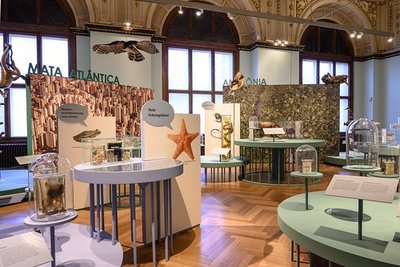
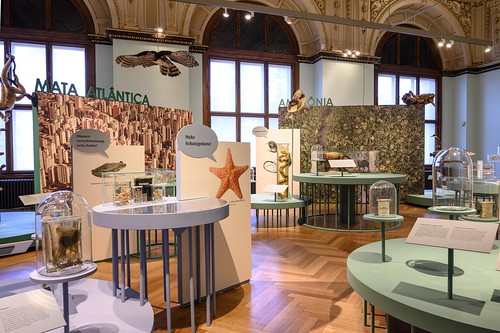
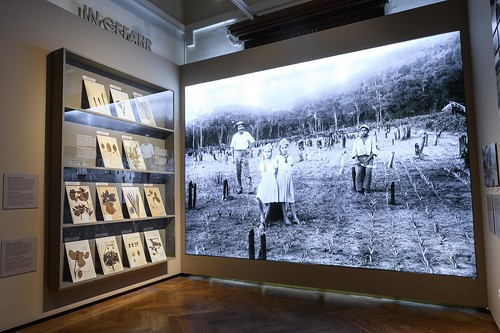
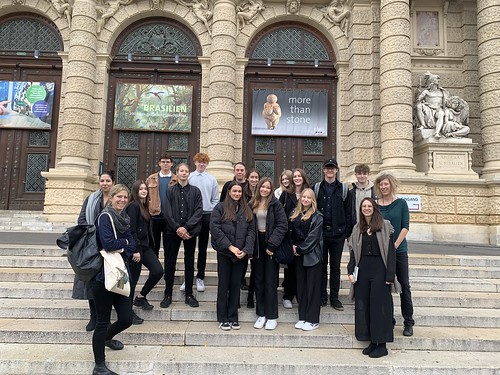
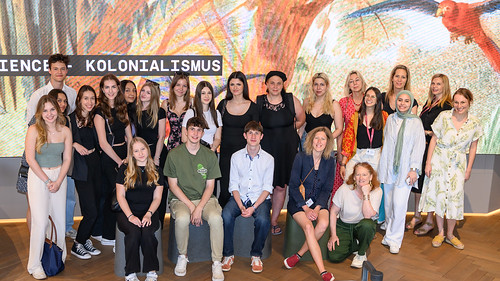
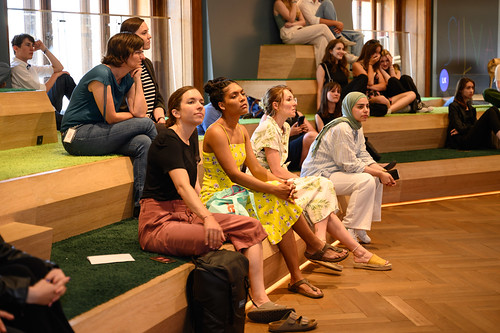
The academic debate on colonial heritage in museums has intensified in Austria in recent years. Until now, national and international discourse has focused on ethnographic and contemporary history museums. This debate is also essential for natural history collections. Against this backdrop, the project “Colonialism today? What does that have to do with me?” invited 7th grade students from a Viennese secondary school to explore the current implications of colonialism and the colonial heritage of the NHM Vienna. To this end, the pupils reflected on the exhibition practice of the NHM Vienna based on the special exhibition on Brazil at the time, focusing on the question of how colonial contexts are communicated in the collection.
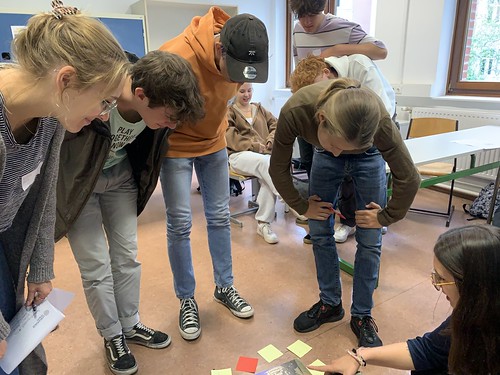
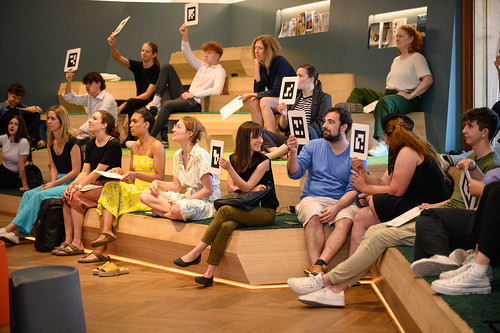
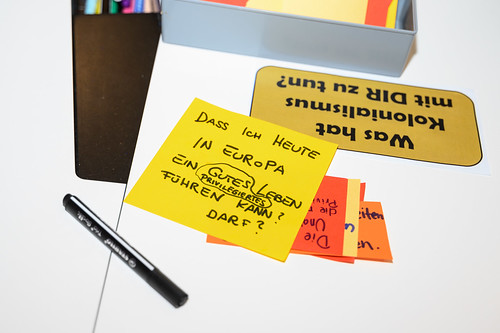
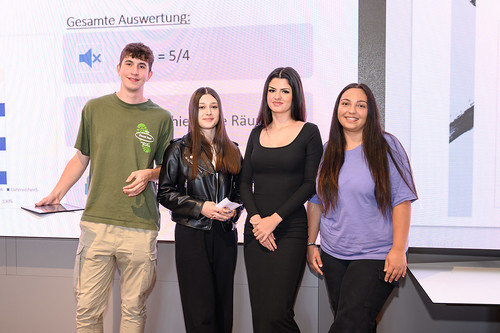
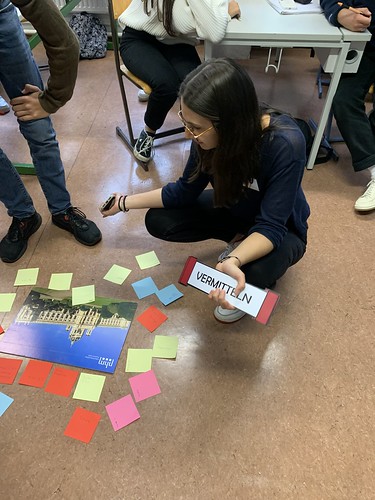
Building on these reflections, the second part of the project was dedicated to the interactive possibilities of communicating colonial contexts in a natural history exhibition in a museum. Using the example of the temporary Brazil (2022-2023), they developed their own (multimedia) methods and formats for making colonial provenances tangible and communicable. The students were asked to develop their own mediation options for the Brazil exhibition. The question that the young people and the scientific project team asked themselves was: How can colonial acquisition contexts be communicated interactively and critically in a natural science museum?
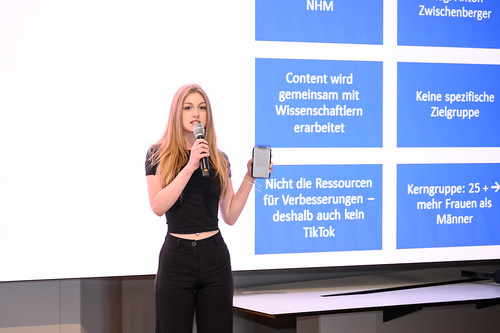
Following the project, the interdisciplinary research team presented recommendations for decolonial practice in the museum and at various conferences, as well as formats such as podcasts and radio.
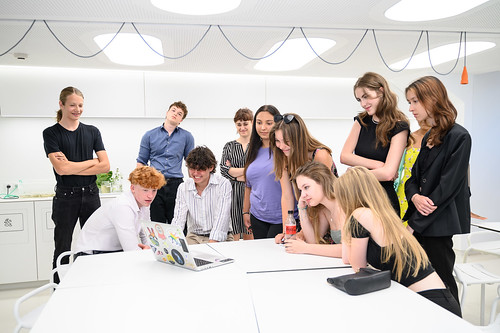
A great added value in the project was not only characterized by the innovative cooperation with young people, but also by the collaboration between natural and social scientists, which is necessary to penetrate a complex topic such as colonialism. The students' participation as "citizen scientists" enabled them to actively take part in research projects and contribute their own ideas. Involvement in their own research work strengthened the students' self-confidence and their ability to critically reflect and understand knowledge generation, which led to a sustainable learning process and a well-founded expansion of knowledge.
This project is already completed.
Final Report
Publikation
-
Deiß, H., Ritschard, E.: PARTIZIPATIVE FORSCHUNG ZUR FÖRDERUNG KULTURELLER TEILHABE (Opens in new window)2024-05-14, Tagungsband zur Jahrestagung des Fachverbandes Kulturmanagement transcript Bielefeld
-
H. Deiß, E. Ritschard: Critical reflections through a participatory research project with students in a natural science museum. (Opens in new window)2024-05-14, The Inclusive MuseumBd. 18, Ausg. 1, (2024)
 Schools
 Partners from Economy and Society
 Scientific institutions