FFF-Glacier Worlds
Freeze For Future - Young People Creates Virtual Glacier Worlds For The Future Of Climate Change Education
The consequences of anthropogenic climate change threaten the existence and well-being of both natural environments and human societies, leading to permanent changes in ecosystems. In Alpine regions, glaciers serve as critical climate change indicators. Their presence in the Austrian Alps makes them essential to climate change education. However, the rapid retreat of glaciers due to rising global temperatures will soon make it impossible to visit and walk on glaciers in educational contexts.
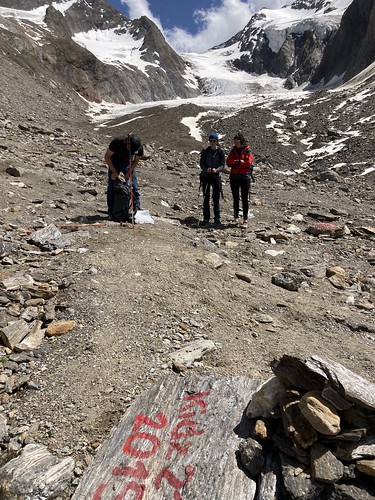
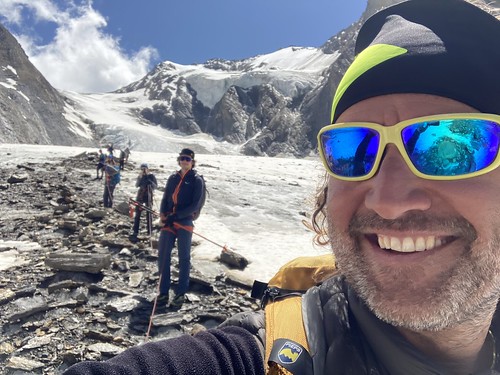
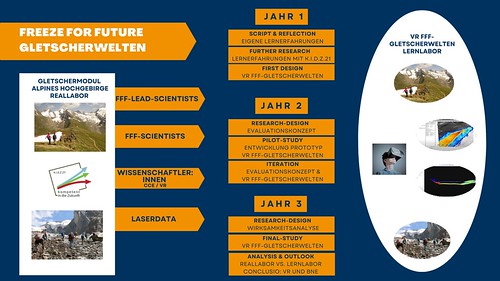
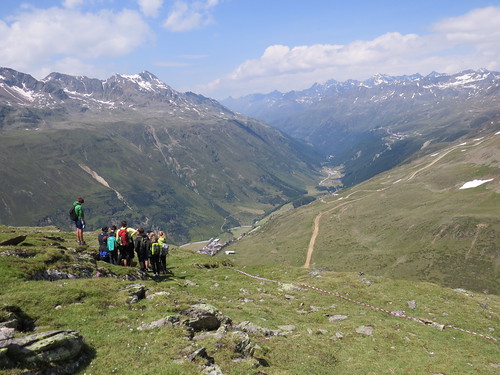
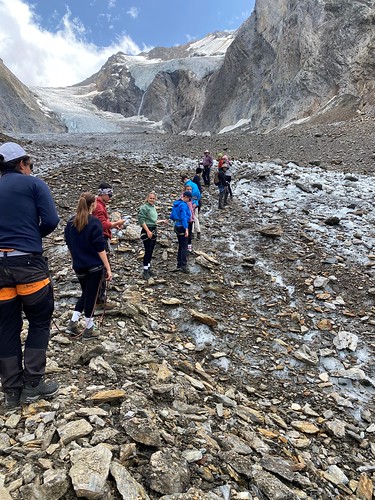
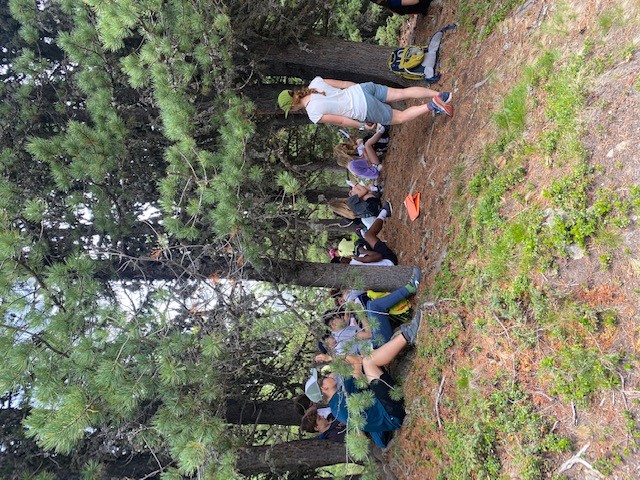
Therefore, the project “Freeze For Future – Glacier Worlds” (2022-2025) aimed to capture and preserve the current state of the Gaisbergferner, a glacier in Tyrol (Austria), by creating a virtual reality (VR) environment. Following a citizen science approach, this transdisciplinary project was carried out by the University of Innsbruck in cooperation with four high schools from Austria and Germany, as well as the technical partner Laserdata GmbH. The project directly involved more than 300 high school students and scientific experts from various disciplines, including data technology and education, to co-develop an educational VR environment, designed by young people for young people, that meets their educational needs and expectations. The project combined field excursions to the Gaisberg Valley with age-appropriate research methods such as audio recordings, co-creation workshops, semi-structured interviews, observations, and photographic documentation. Through an iterative two-year development process, the final version of the VR environment was created, followed by an evaluation phase in the third project year.
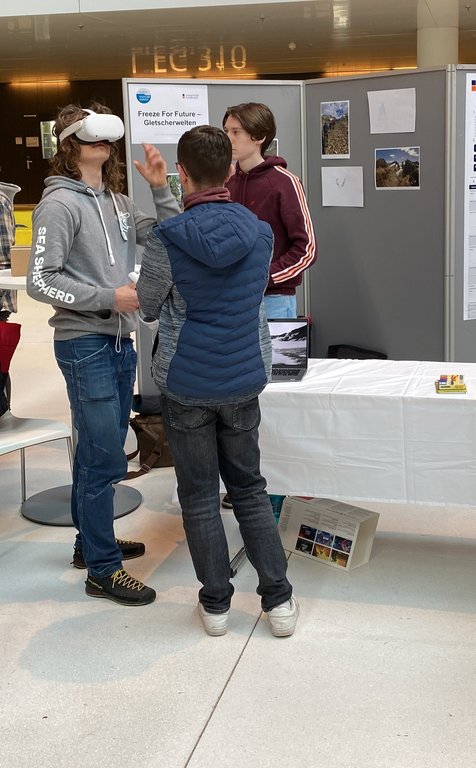
The final version of the VR environment includes a virtual field trip following the young people’s tracks through the Gaisberg Valley to the Gaisbergferner. Seven interactive stations, developed according to a moderate constructivist approach, enable users to explore and investigate various aspects of glacier formation, glacial retreat, and the broader consequences of climate change, offering experiences beyond physical reality. The immersive experience of the high Alpine landscape fosters young people’s understanding of the fragility and uniqueness of these environments and strengthens their ability of complex systems thinking.
Collaboration with the participating teachers and, in particular, the high school students formed the core of the project and proved deeply enriching for all involved stakeholder. The young participants contributed great motivation, genuine interest, and openness to the shared research process, thereby supporting the development of the VR environment with creativity and curiosity. Crucial to this was the use of age-appropriate research methods and materials that encouraged active participation and meaningful engagement while connecting to the students’ everyday lives. Only through this Citizen Science process was it possible to gain essential insights for designing the VR environment.
This project is already completed.


Publikation
 Schools
 Partners from Economy and Society
 Scientific institutions