EAT+CHANGE
Food consumption as everyday transformation: participatory research and collaborative learning for social-ecological change
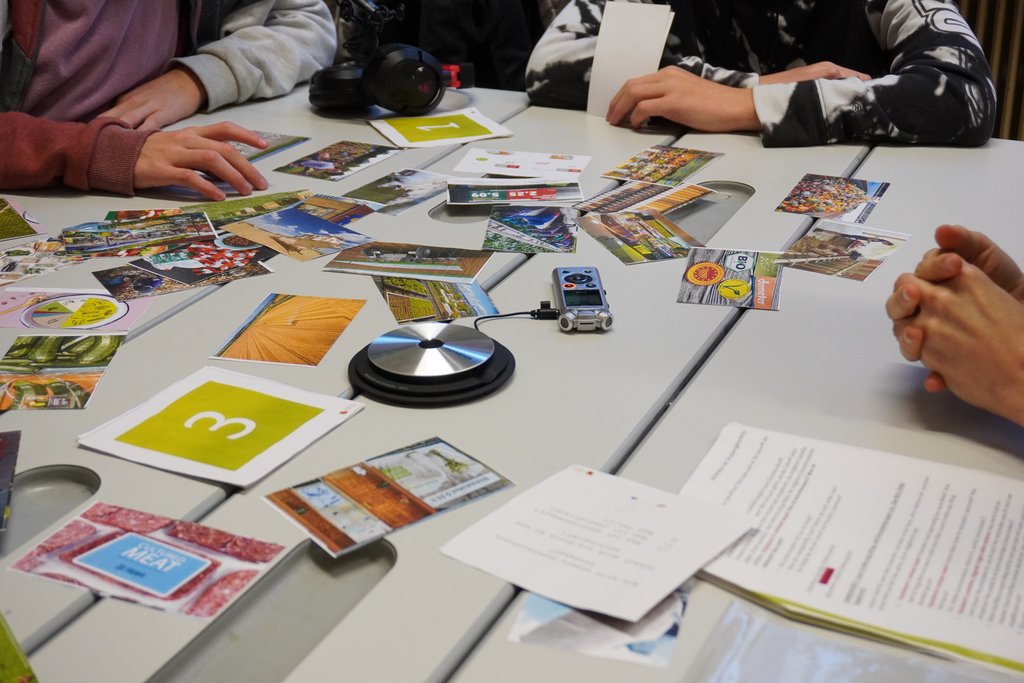
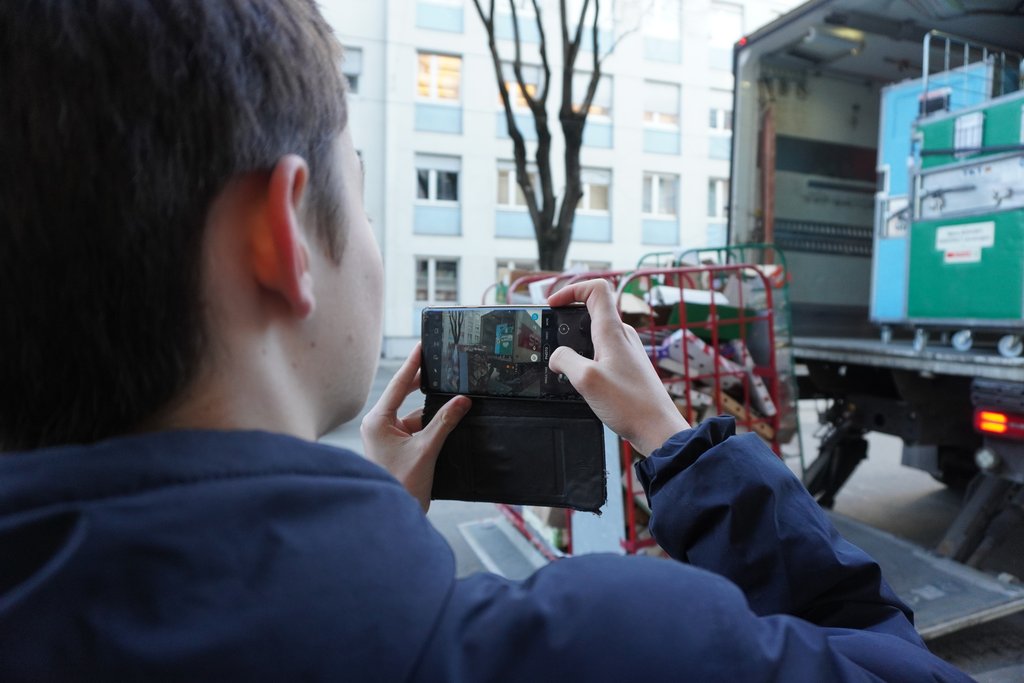
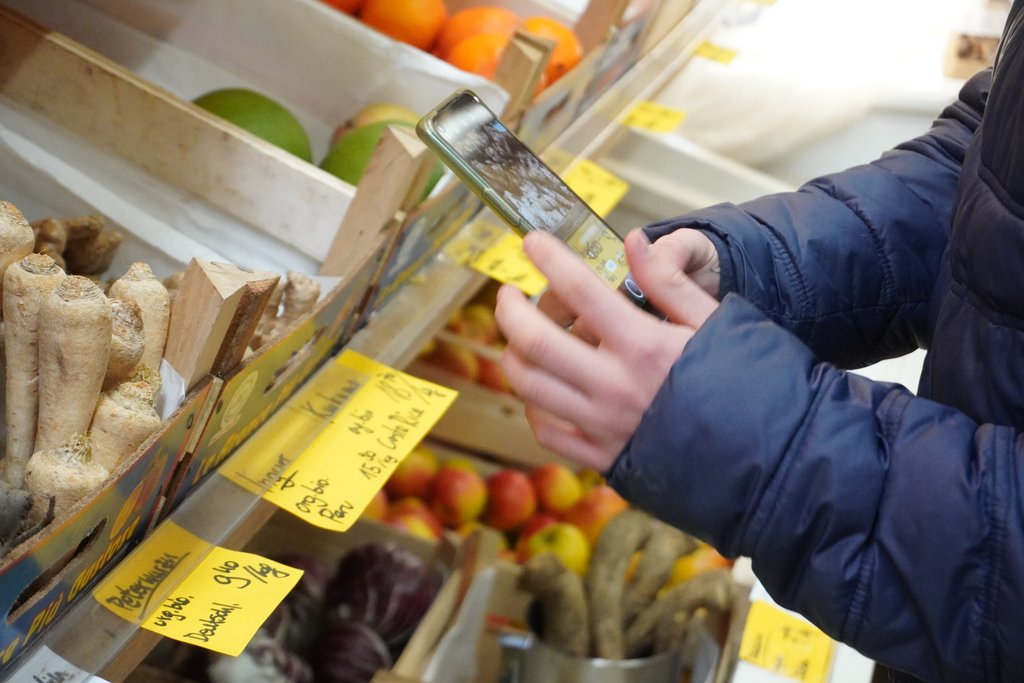
The participatory research project “EAT+CHANGE” brought together concerns of geography education and economics education with perspectives from human geography. It examined how young people experience, negotiate, and shape (non-)sustainable food consumption in their everyday lives – and how transformative learning can be initiated in this context. The project was grounded in practice-theoretical perspectives on food (consumption) as a socially embedded routine, as well as the participatory research method Photovoice, which enables students to explore their everyday food practices through photography, to reflect on them, and to collectively identify opportunities for systemic change toward greater sustainability.
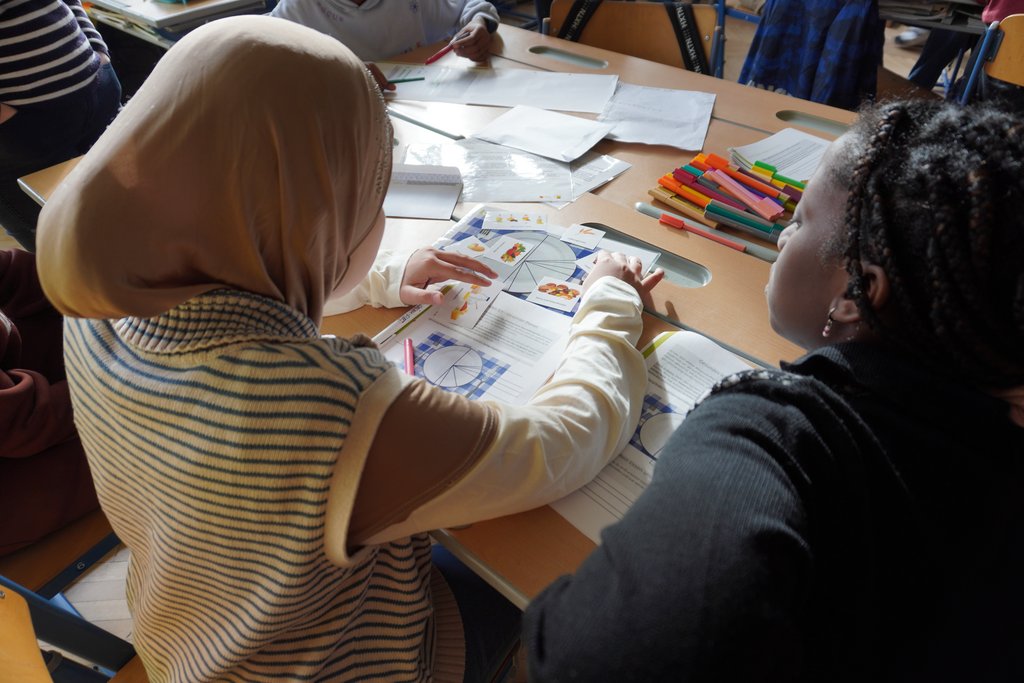
The participatory research was designed as Design-based Research. Over three design cycles, the project collaborated with three lower secondary schools in Graz, intertwining basic research, school practice, and the co-constructive development of learning materials. Consequently, collaboration with teachers was essential for the success of the project. Together with the academic project team, they facilitated the participatory research and contributed to the adaptation and further development of research and learning materials, enabling approximately 100 students to carry out research as independently as possible.
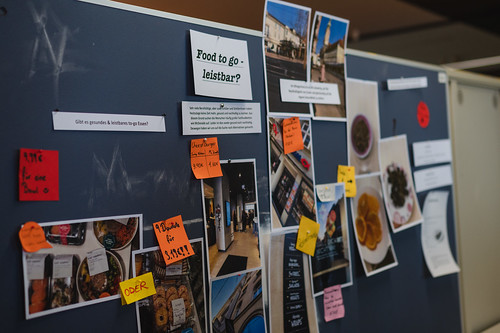
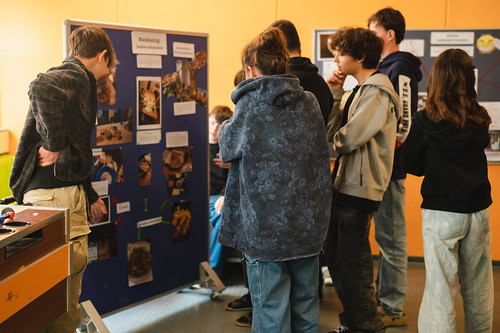
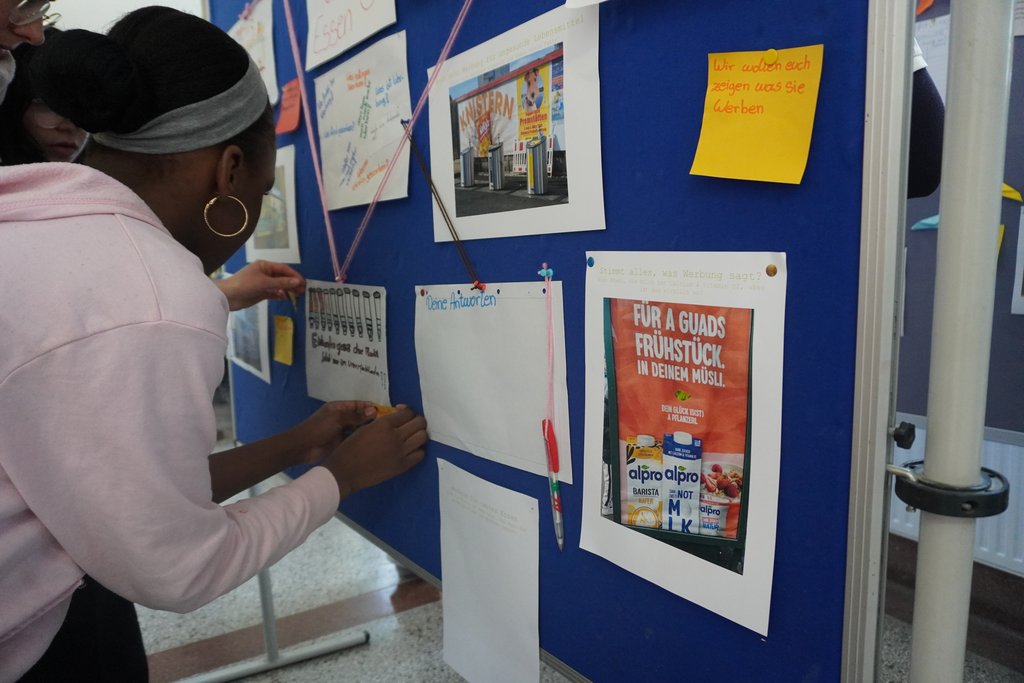
The students were extensively involved as co-researchers. They developed their own research questions, collected visual data through photographs, analyzed their data in group discussions, and presented their findings to target audiences in exhibitions. The participatory research showed that food in the everyday lives of young people encompasses personal, social, cultural, and spatial dimensions. The students’ work made visible the routines of home and school-based eating, gender-specific patterns, the influence of peers and family, and the desire for healthy, sustainable, and affordable options in daily life. Through dialogic work with photographs, critical perspectives on the food system, personal agency, and structural barriers emerged. Their involvement additionally supported processes of reflection, experiences of self-efficacy, and the development of their own ideas for transformation.
As part of the Citizen Science Award 2024, the materials developed and tested in the project were adapted and made available throughout Austria. In this context, an additional 375 citizen scientists from 15 school classes participated, imagining futures of local, regional, and global food systems and documenting forward-looking aspects within their own everyday lives. Their contributions reveal a pronounced awareness of ecological and societal challenges, as well as clear expectations for desirable food futures—such as valuing food, transparent information on origins, reduced packaging, and fairer access to sustainable food—among young people in Austria.
The project results demonstrate that Photovoice holds transformative potential for both geographical research and educational practice. They further highlight how deeply food practices are embedded in routines, meanings, and material conditions, and how young people reflect on, question, and creatively reimagine them. At the same time, the results show that sustainable nutrition is not merely an individual choice but requires structural change within the food system. The project thus identified transformation ideas and strategies from the perspective of Austrian youth and provided impulses for transformative learning and political education related to sustainability within school practice.
This project is already completed.
Final Report
-
Endbericht | EAT + CHANGE (Opens in new window)(PDF, 55 MB)


Publikation
-
Strüver, A., Verwey, A.: Kochen mit Johan Rockström (Opens in new window)2025-11-30, GEOGRAZ72
-
Lippe, D., Stöcklmayr, K., Pettig, F., Strüver, A.: Photovoice als Forschungs- und Bildungspraxis in der Geographie (Opens in new window)2025-11-30, Geographica Helvetica80/4
-
Strüver, A., Pettig, F.: Einsatz und Reflexion verkörperter visueller Methoden (Opens in new window)2025-11-30, Visualisierung Qualitativer Geographien - Ein Handbuch Westfälisches Dampfboot Münster163-174
-
Stöcklmayr, K.: Ernährungsalltag video-ethnographisch einfangen (Opens in new window)2025-11-30, Handbuch Mobile Methoden in der Sozial- und Raumforschung Bielefeld transcript163-174
-
Pettig, F., Lippe, D.: Participatory photovoice research as prefigurative politics towards social-ecological transformation (Opens in new window)2025-11-30, Australian Journal of Environmental Education40/3
-
Strüver, A., Bauriedl, S.: Urbane Metabolismen (Opens in new window)2025-11-30, Handbuch Stadtsoziologie Springer VS Wiesbaden1-19
-
Exner, A., Strüver, A.: Die nachhaltige Stadt alltäglich denken (Opens in new window)2025-11-30, Global denken, nachhaltig handeln: Ein kritisch-interdisziplinärer Blick auf die Nachhaltigen Entwicklungsziele der Vereinten Nationen Peter Lang Lausanne315-332
-
Lippe, D., Stöcklmayr, K.: Einblicke in den Ernährungsalltag und das Körperbild von Mittelschülern (Opens in new window)2025-11-30, Feministisches Geo-Rundmail93
 Schools
 Partners from Economy and Society
 Scientific institutions