Circus of Knowledge
Citizen Science meets Citizen Art
A central objective of the project “Circus of Knowledge” was to generate enthusiasm and curiosity for research and scientific discovery at an early age and to encourage young people to see themselves as change-makers and active participants. In the intertwining of art, science and education and the active involvement of Citizen Science (CS), the project saw the potential to shape future-oriented education and to promote the implementation of innovative methods in the long term. The project focused in particular on the potential and challenges of integrating art into science teaching.
STEM subjects (Science, Technology, Engineering, Mathematics) are often perceived as abstract and challenging, which can discourage students. At the same time, these disciplines are crucial to meeting the growing demand for skilled professionals in a technology-driven society. The integration of art into science education – known as the STEAM approach – offers new perspectives: Creative methods enhance not only cognitive skills but also social and emotional competencies. By sparking interest in STEM subjects and providing alternative access points, art can help attract more students to these fields.
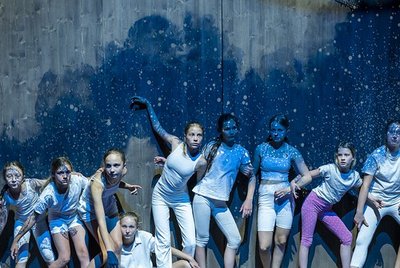
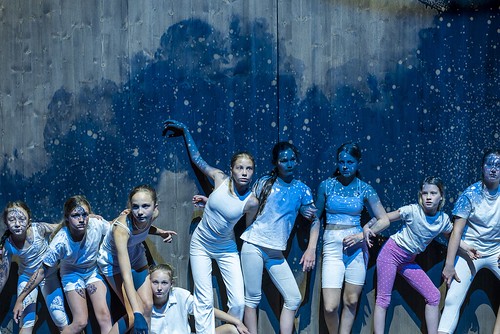
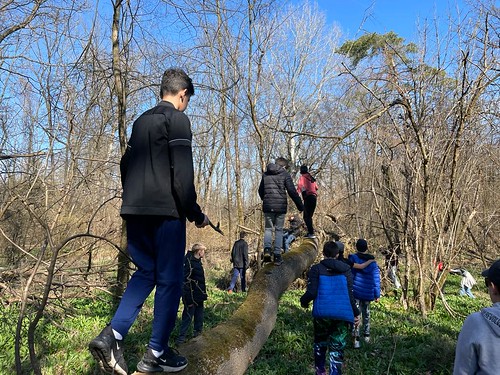
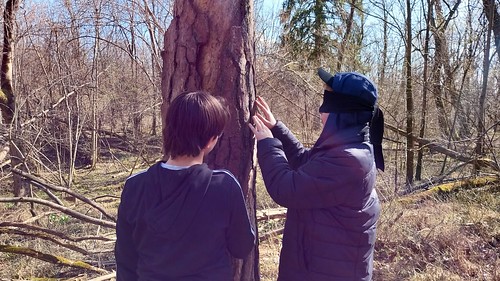
As part of the Sparkling Science project, artistic workshops were integrated into regular lessons from 2022 to 2025. These workshops creatively covered curriculum topics under the guidance of mentors from the fields of art, science and education, without requiring additional preparation from teachers. Examples included theatrical performances on the circular economy, video productions on forest ecosystems, and dramatizations of atomic bonding.
The results show that students who participated in the project developed greater interest and confidence in their abilities compared to their peers in traditional lessons. Teachers also reported positive effects, such as improved classroom atmosphere and greater engagement from more reserved students. Additionally, a study (https://www.mdpi.com/2227-7102/15/1/14) examined the impact of art integration on social relationships. The findings indicate increased helpfulness and reduced discrimination, highlighting the inclusive power of art.
The students and teachers were involved in the development of the research question, the theoretical framework of the scientific evaluation of the project and in the data collection and evaluation. This ensured that the Citizen Scienctists were fully involved in the entire research process.
Accompanying measures such as a training-of-trainers programme, a workshop for teachers with artists, a youth advisory board, public presentations of artistic and scientific research, international networking and a final conference further supported the sustainable anchoring of the project results.
This project is already completed.
Final Report
-
Endbericht | Zirkus des Wissens (Opens in new window)(PDF, 514 KB)



Publikation
-
Lauss J: Kunst, die Wissen schafft: Potenziale, Herausforderungen und Gelingensbedingungen von STEAM-Unterricht (Opens in new window)2025-07-16, Johannes Kepler Universität Linz
-
Lauss J, Loparics J: Forschendes Lernen durch die Integration von Kunst in den Unterricht: Herausforderungen und Potenziale aus Sicht von Lehrpersonen (Opens in new window)2025-07-16, Zeitschrift für Bildungsforschung
-
Klausner B: Potenziale und Herausforderungen durch die Kunstintegration im MINT-Unterricht im Zuge des Sparkling Science Projekts (Opens in new window)2025-01-14, Johannes Kepler Universität Linz
-
Jodlbauer S: Der Einfluss von kunstintegriertem naturwissenschaftlichen Unterricht auf die Schülermotivation (Opens in new window)2025-01-14, Johannes Kepler Universität Linz
-
Lauss J, Helm C: Social disparities in students’ access to STEM and Art (Opens in new window)2025-01-14, Proceedings of Austrian Citizen Science Conference 2023 PoS(ACSC2023) Triest
 Schools
 Partners from Economy and Society
 Scientific institutions