Jump to main content Jump to footer Skip navigation Jump to navigation start
Back to overview
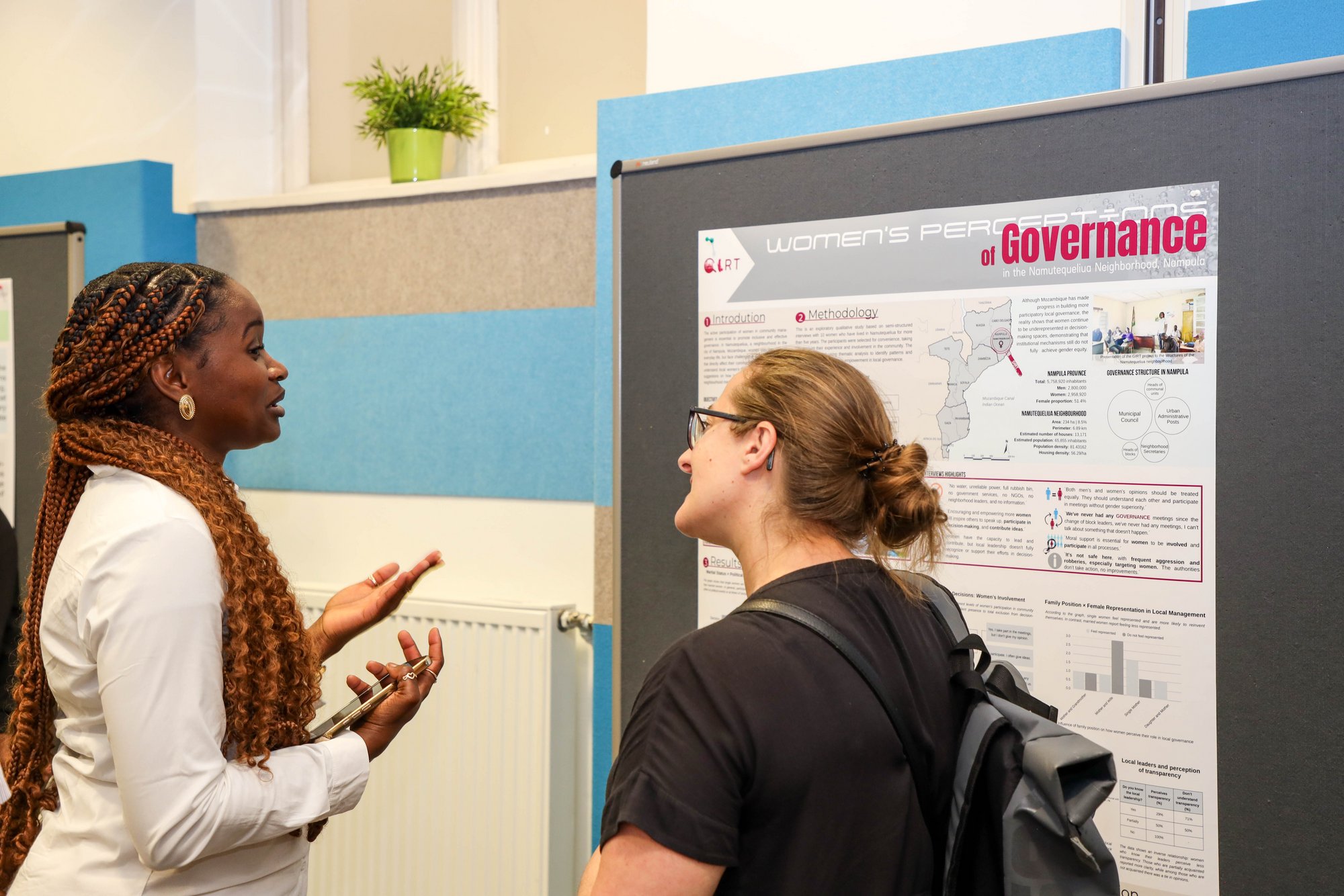
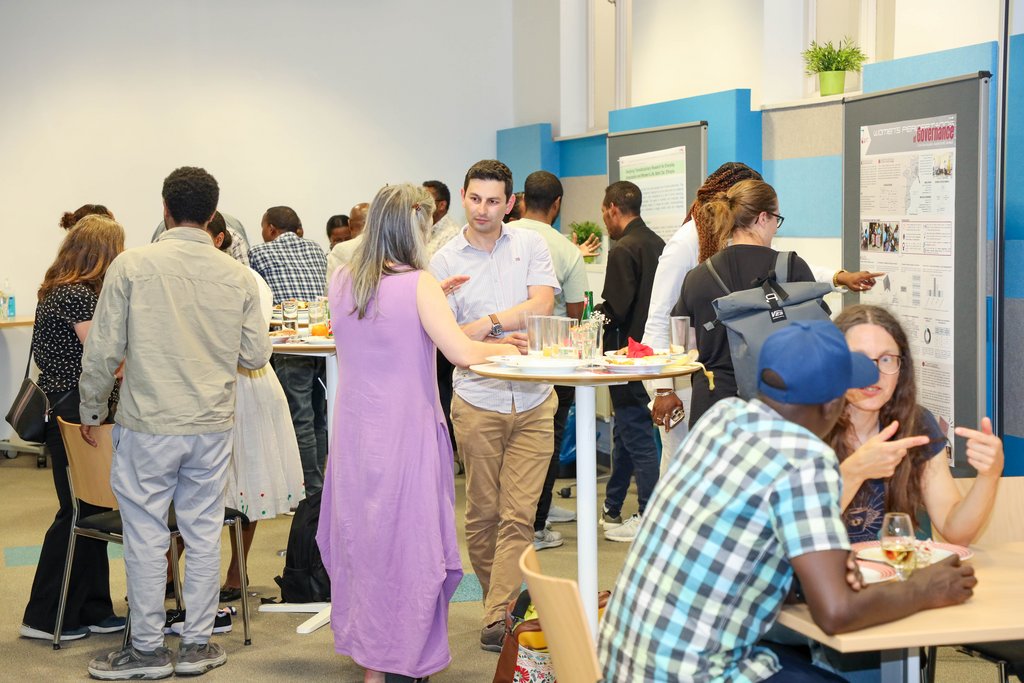
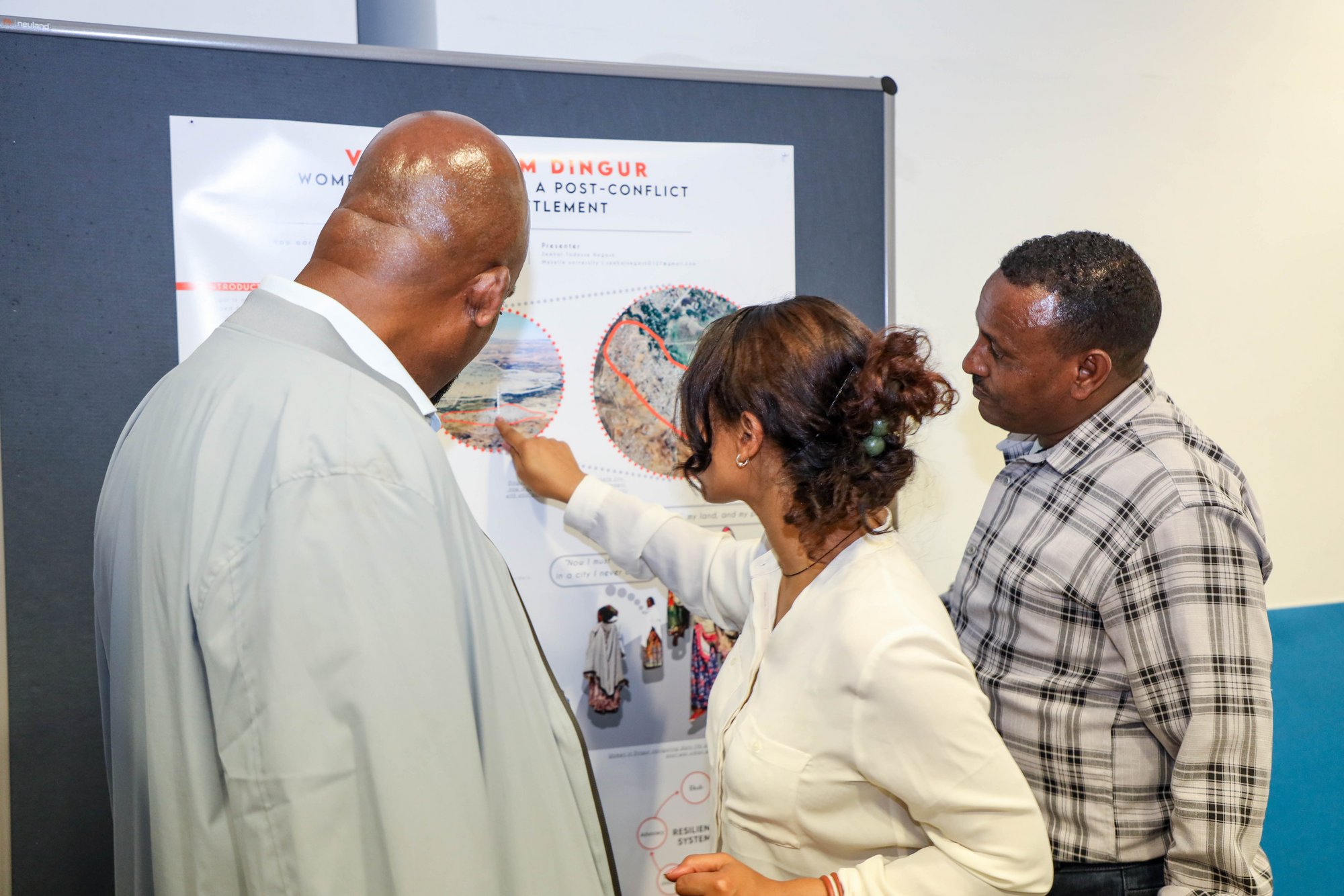
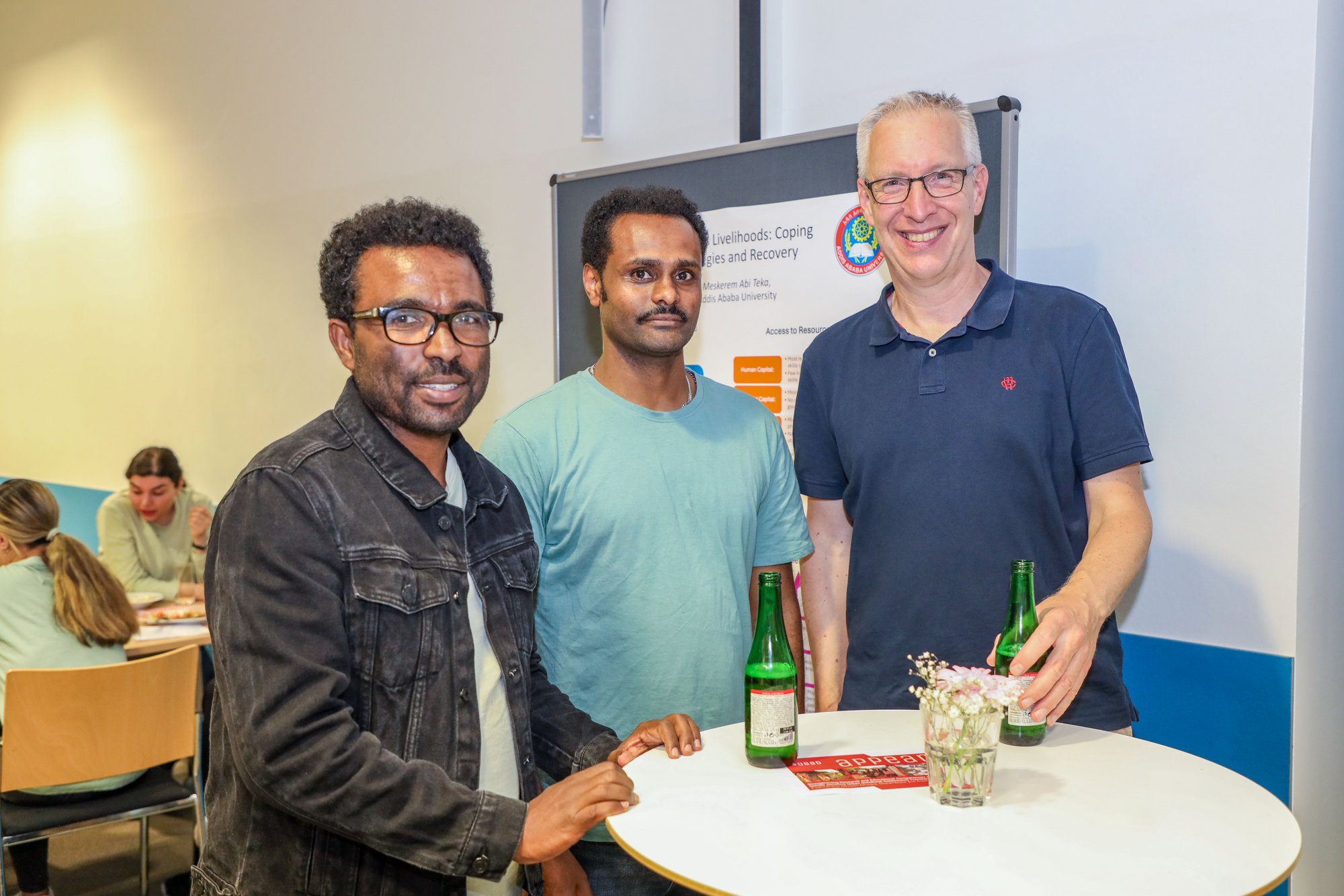
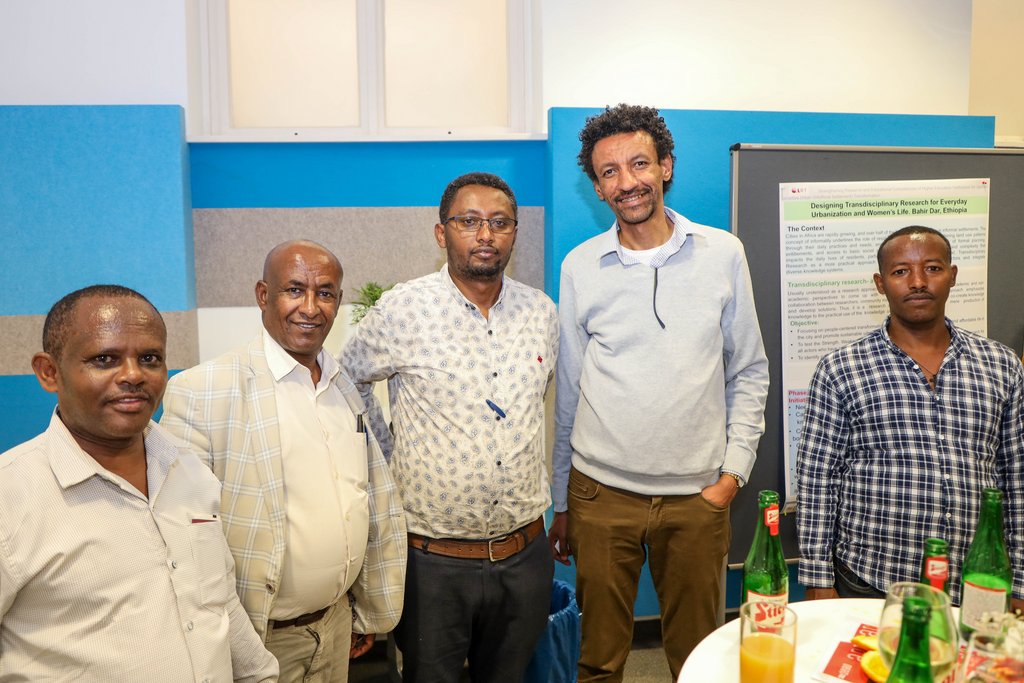
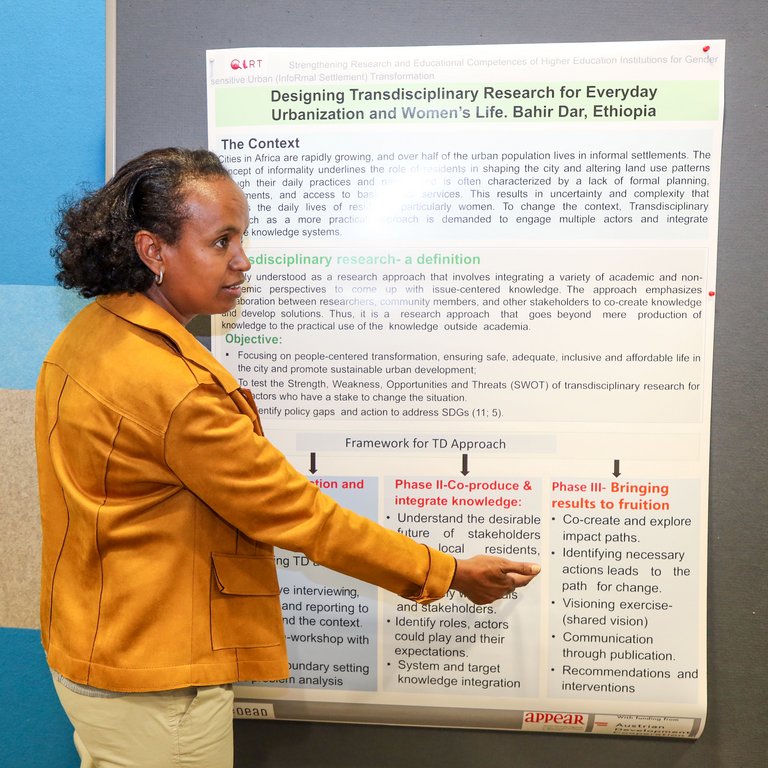
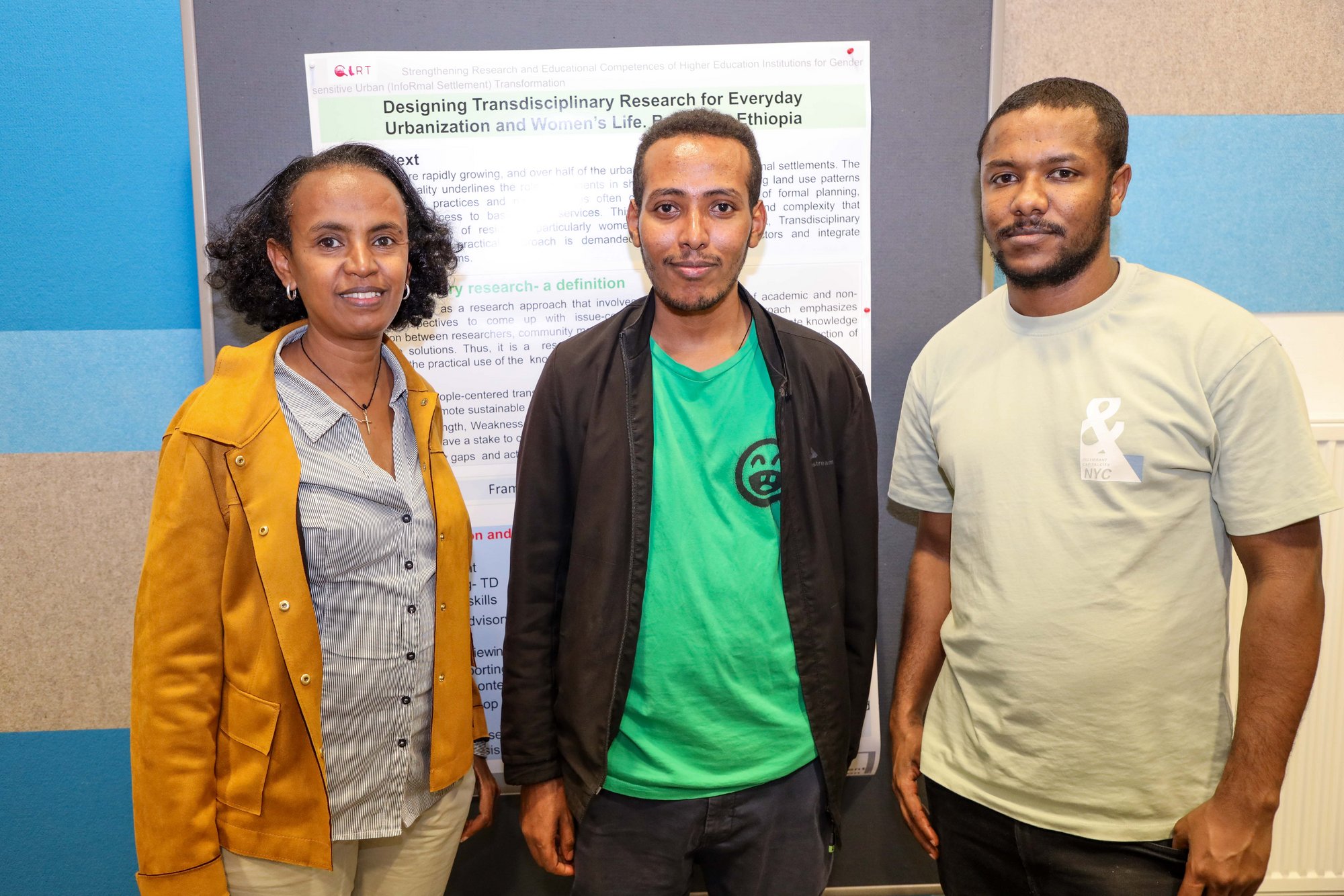
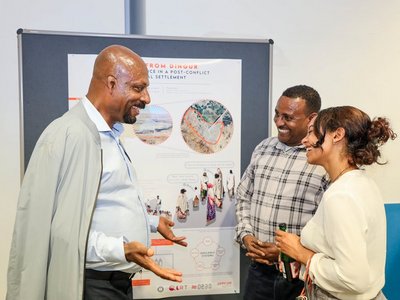
Participants discussing a poster
© Nina Zuckerstätter

Event Report | APPEAR in practice 21 – Women’s Right to the City in Ethiopia and Mozambique

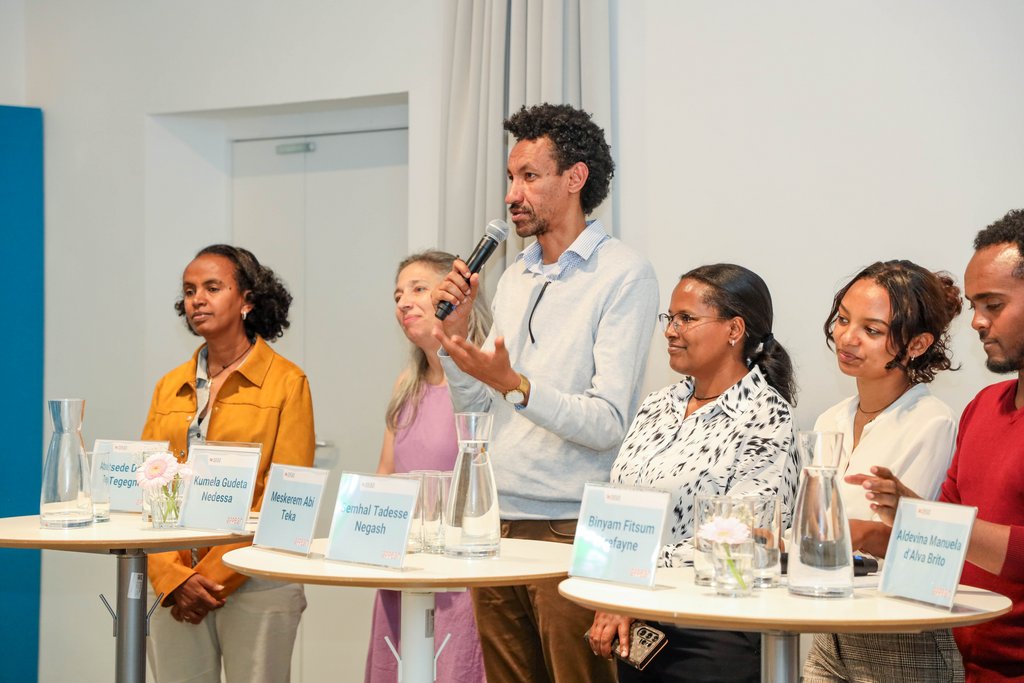
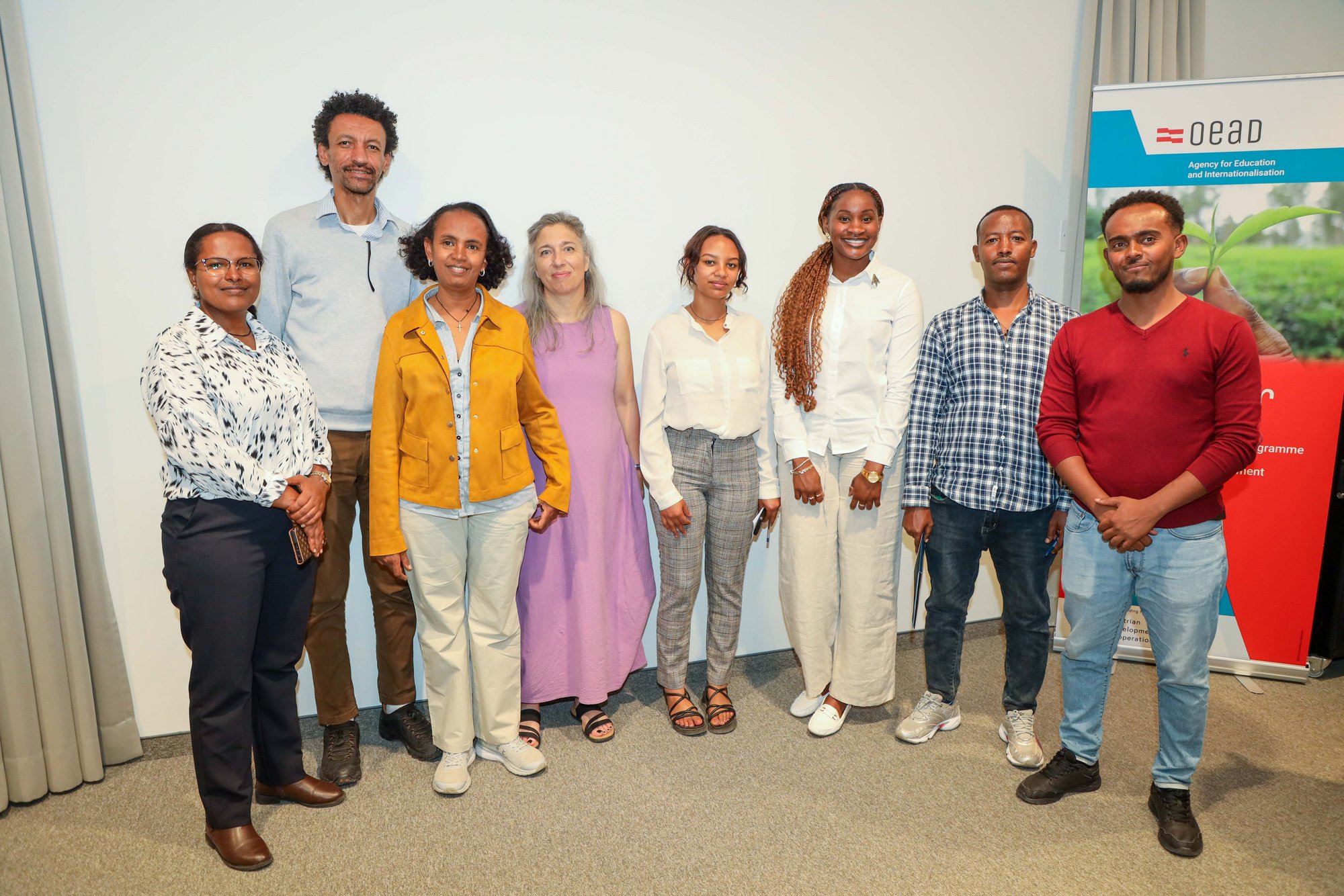
The 21st edition of the APPEAR in practice series, which took place on 10 June 2025, focused on gender-sensitive urban transformation in informal settlements and slums in Ethiopia and Mozambique. The event presented key results from the ongoing GIRT project – Strengthening Research and Educational Competences of HEIs for Gender-sensitive Urban (InfoRmal Settlement) Transformation –, a collaboration between universities in Ethiopia (Addis Ababa University, Bahir Dar University and Mekelle University), Mozambique (Lúrio University) and Austria (University for Continuing Education Krems). The project examines the housing and living conditions of women in the rapidly urbanising environments in Ethiopia and Mozambique, with the aim of strengthening the research and teaching capacities of the participating institutions.
2 min read · 30. June 2025
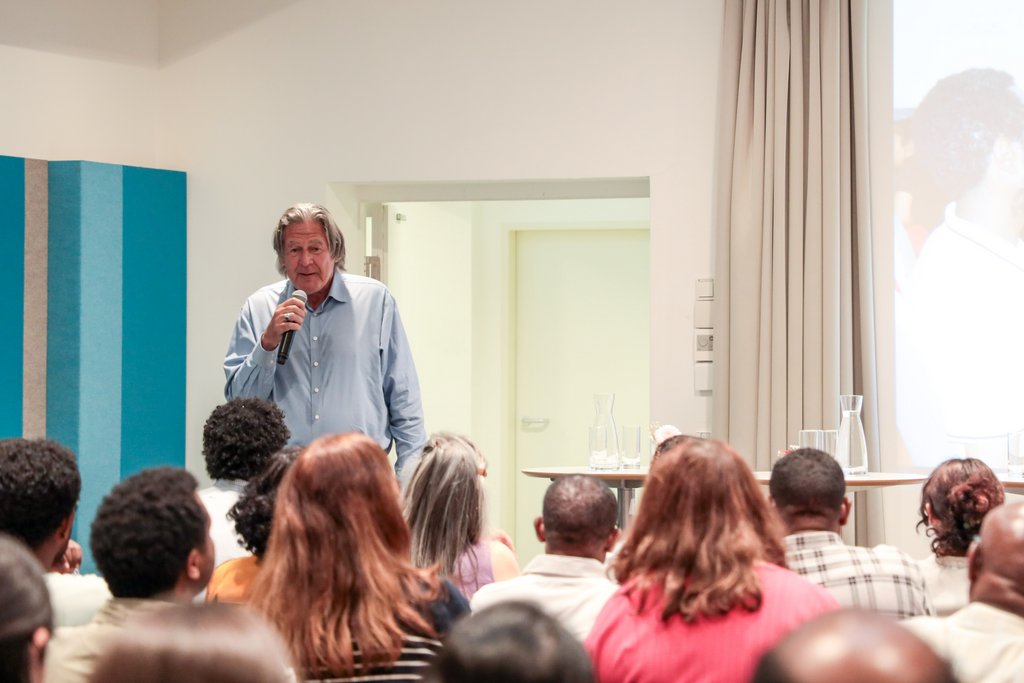
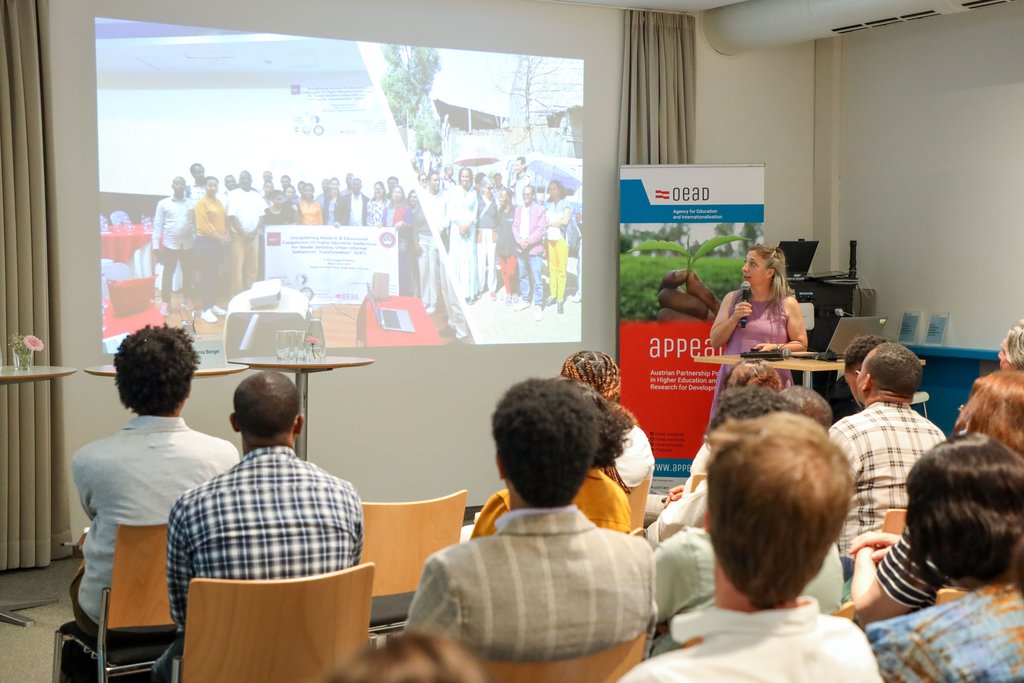
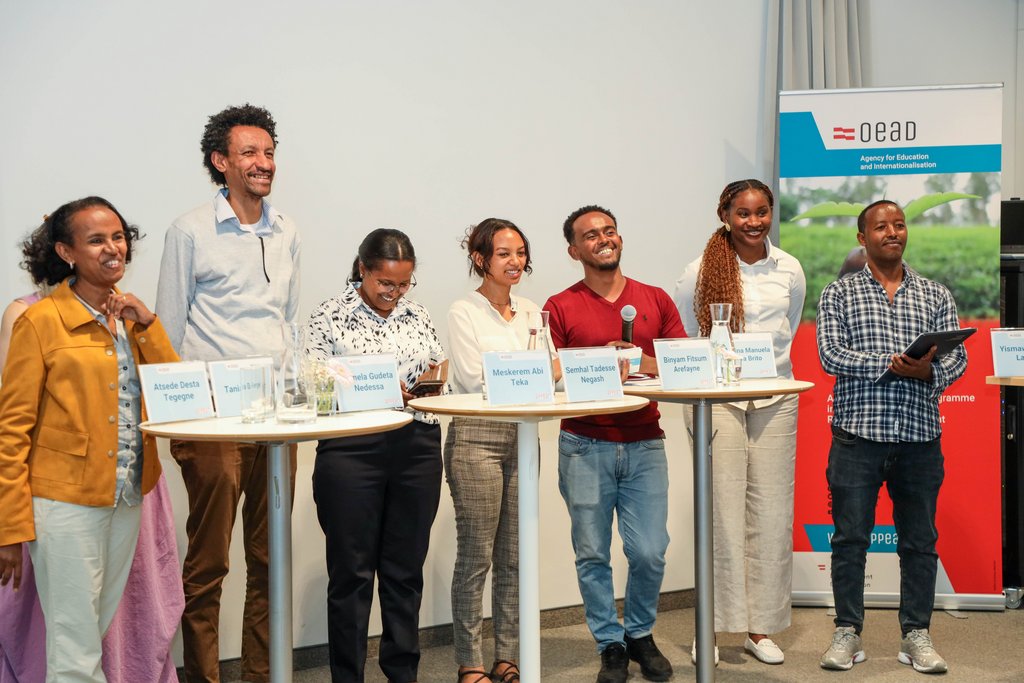
Tania Berger (University for Continuing Education Krems) opened the presentation block with an overview of the project’s structure, aims and methodology. She gave an insight into the working methods and cooperation within the project team, and the necessary adjustments and flexible working methods due to the conflicts in Ethiopia and the post-election unrest in Mozambique.

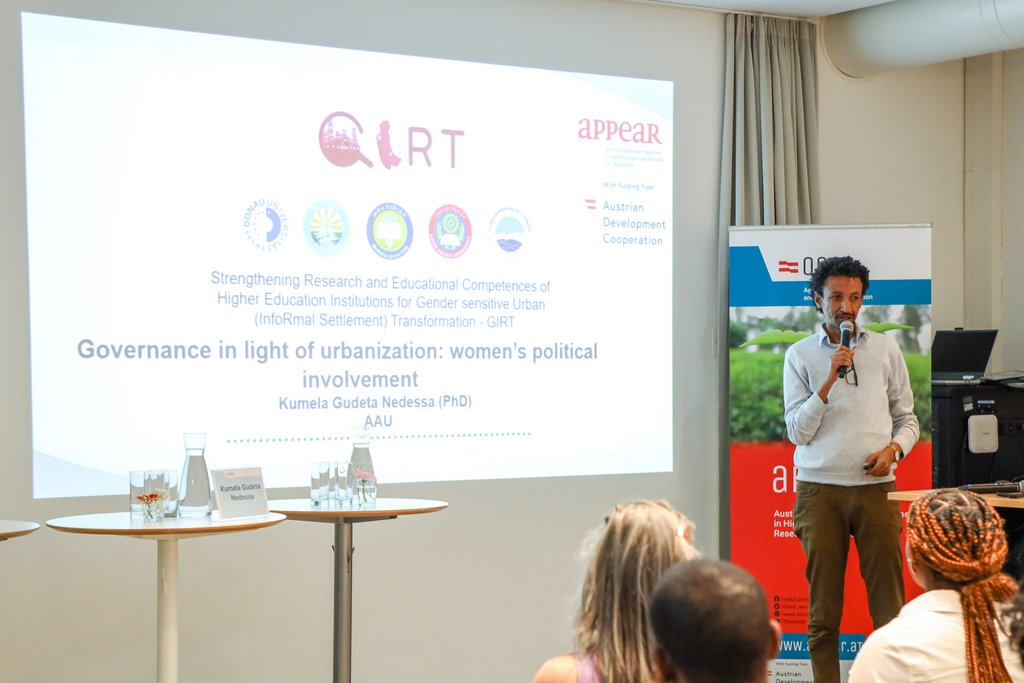
Kumela Gudeta Nedessa (Addis Ababa University) spoke about governance issues in light of urbanisation. He pointed out that rapid urban growth in Ethiopia has outpaced the capacity of local institutions to manage land use, infrastructure and service provision. Transdisciplinary research provides an opportunity for participatory governance. Collaboration between stakeholders is crucial for tackling major challenges in informal settlements and slums.

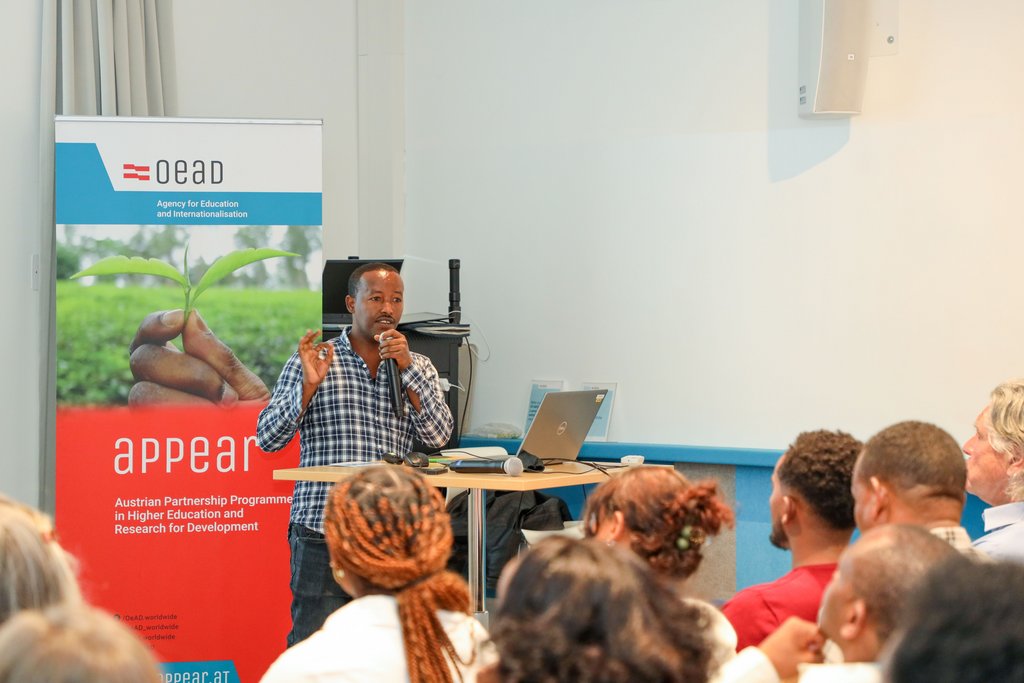
Yismaw Assefa Lakew (Bahir Dar University) shared findings from Bahir Dar. His presentation was based on 160 interviews, the majority of them with women. The research revealed major challenges of women living in informal settlements, including lack of access to clean water and a sewerage system, insecure land tenure and limited access to legal and financial services.

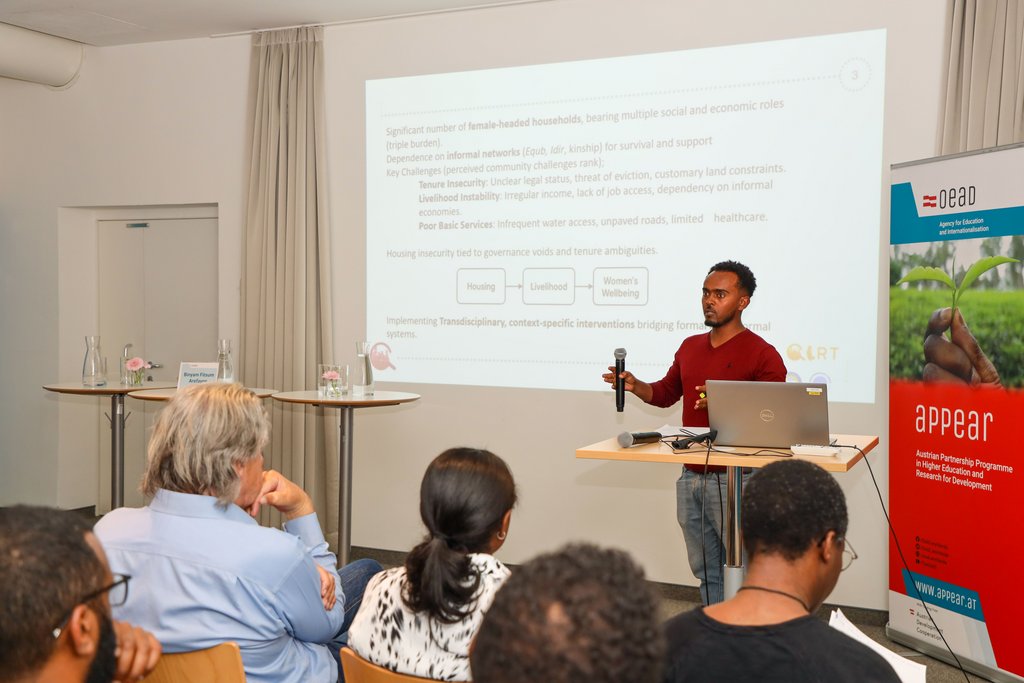
Binyam Fitsum Arefayne (University of Mekelle) presented the case of the Dingur settlement in Mekelle, a city deeply affected by conflict. He pointed out the significant number of female-headed households, bearing multiple social and economic roles. Tenure insecurity, livelihood instability and poor basic services have led to strong dependence on informal support networks. His contribution pointed to the need for transdisciplinary, context-specific interventions to bridge formal and informal systems. 

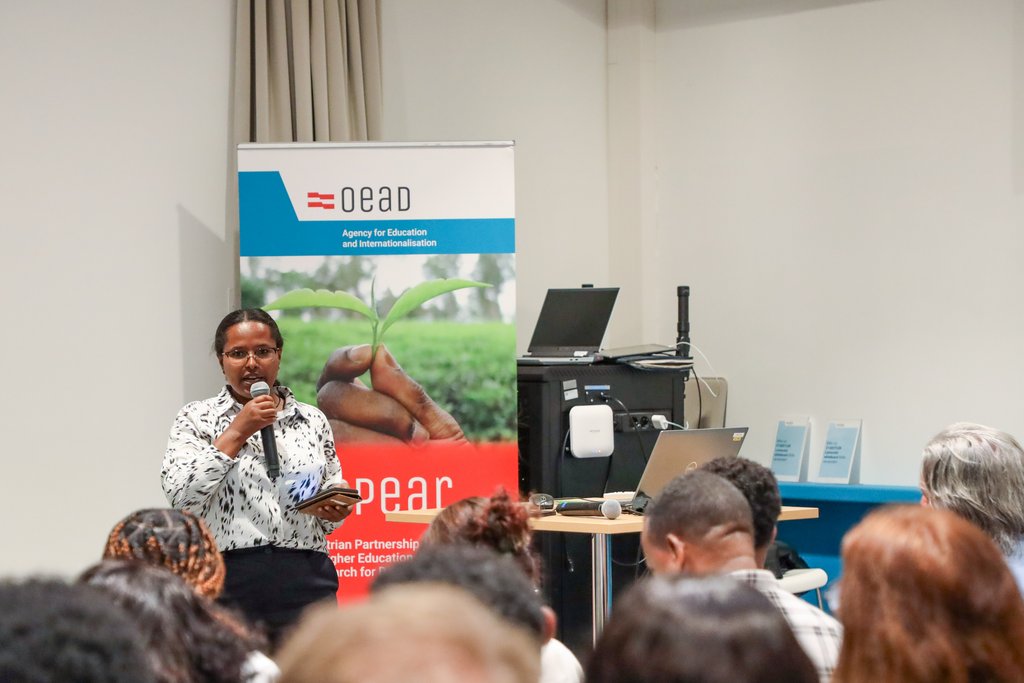
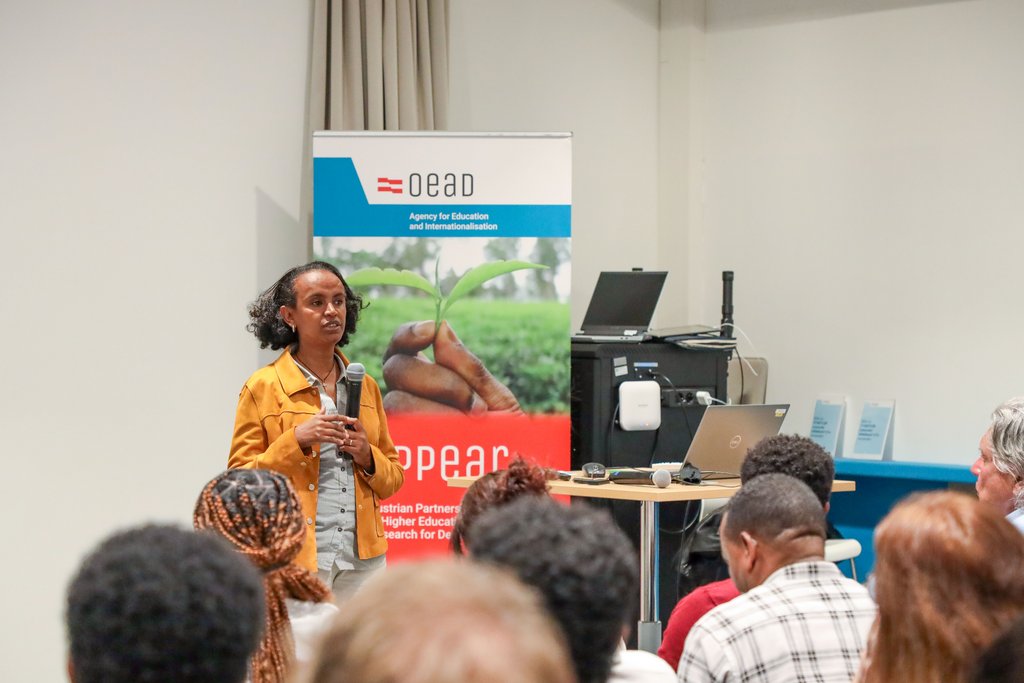
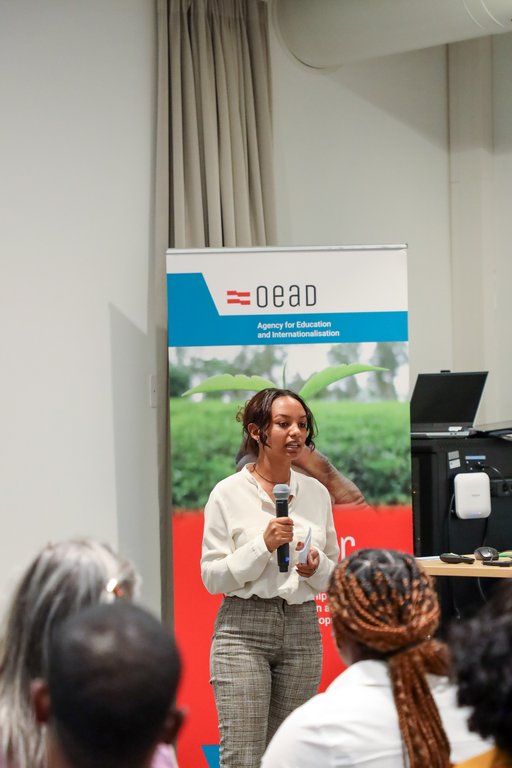
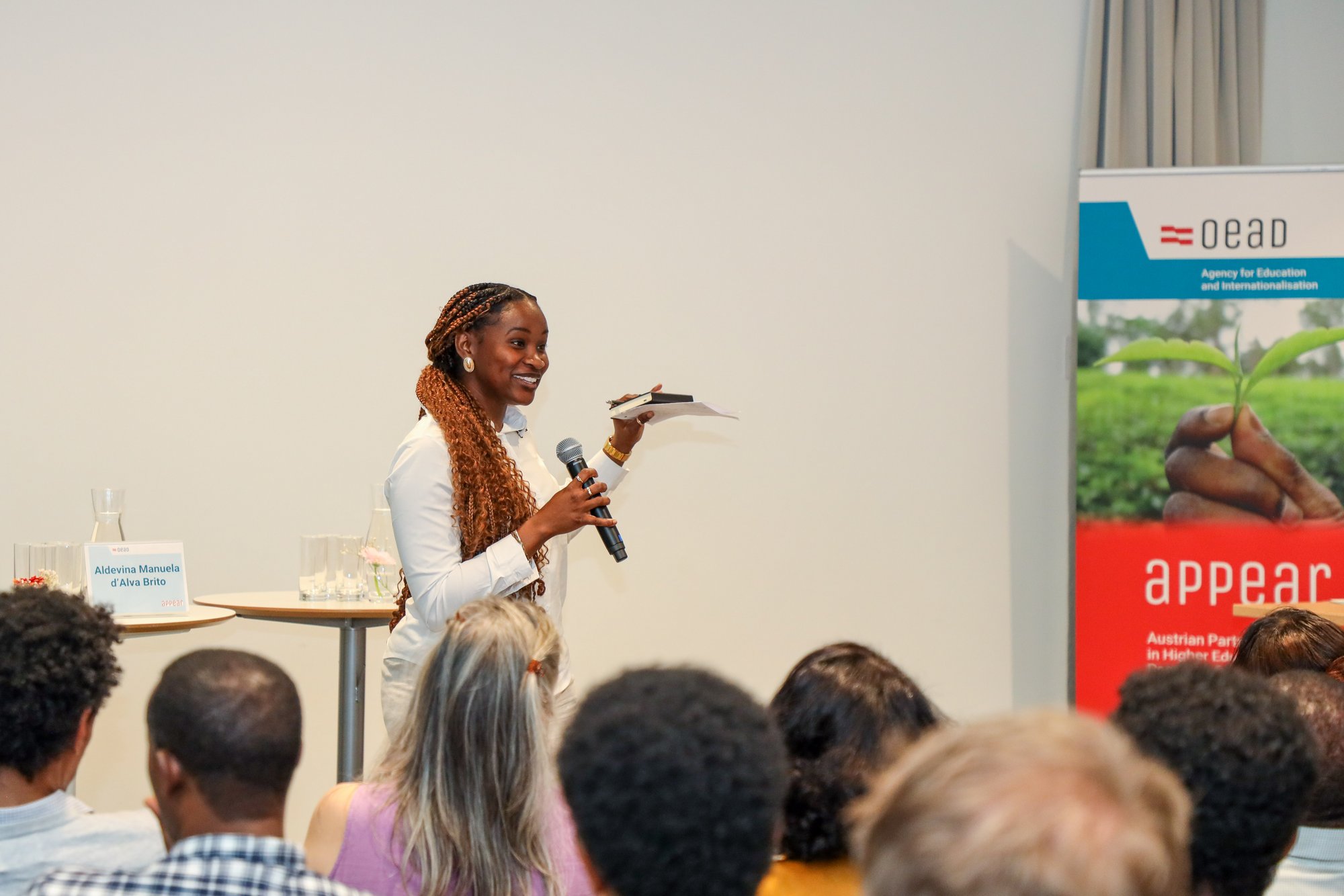
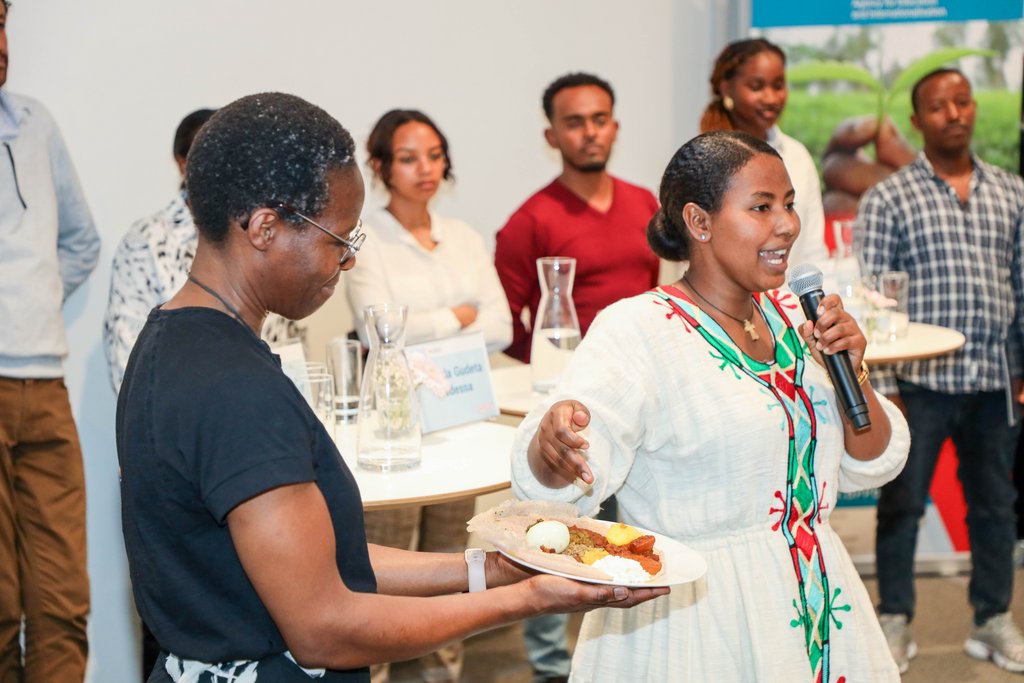
Poster presentations by Meskerem Abi Teka, Atsede Desta Tegegne, Semhal Tadesse Negash and Aldevina dos Santos offered additional insights on coping strategies, local perceptions of governance and methodological approaches in participatory research.

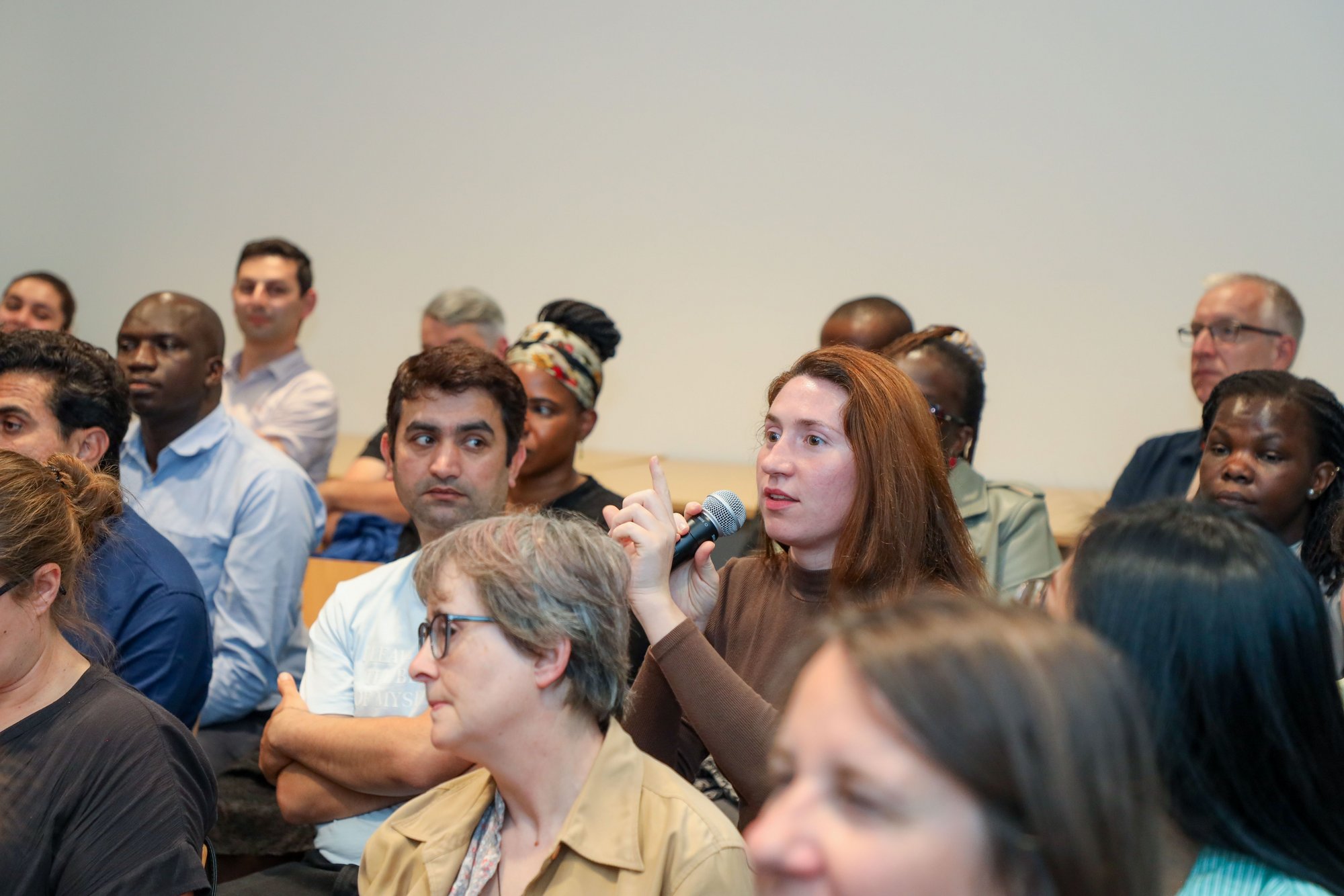
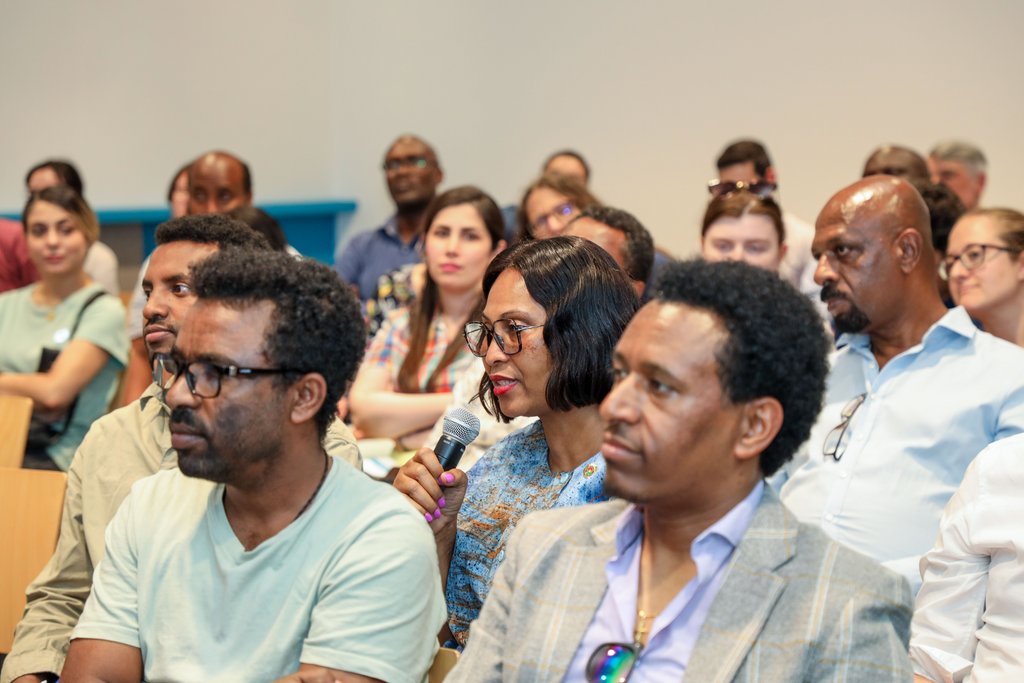
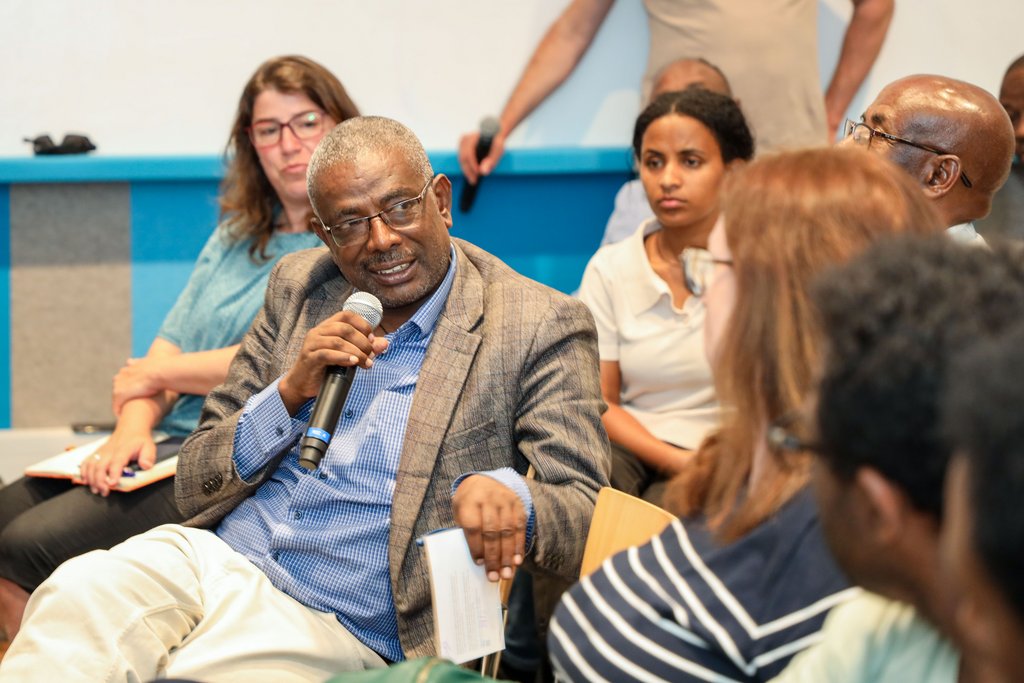
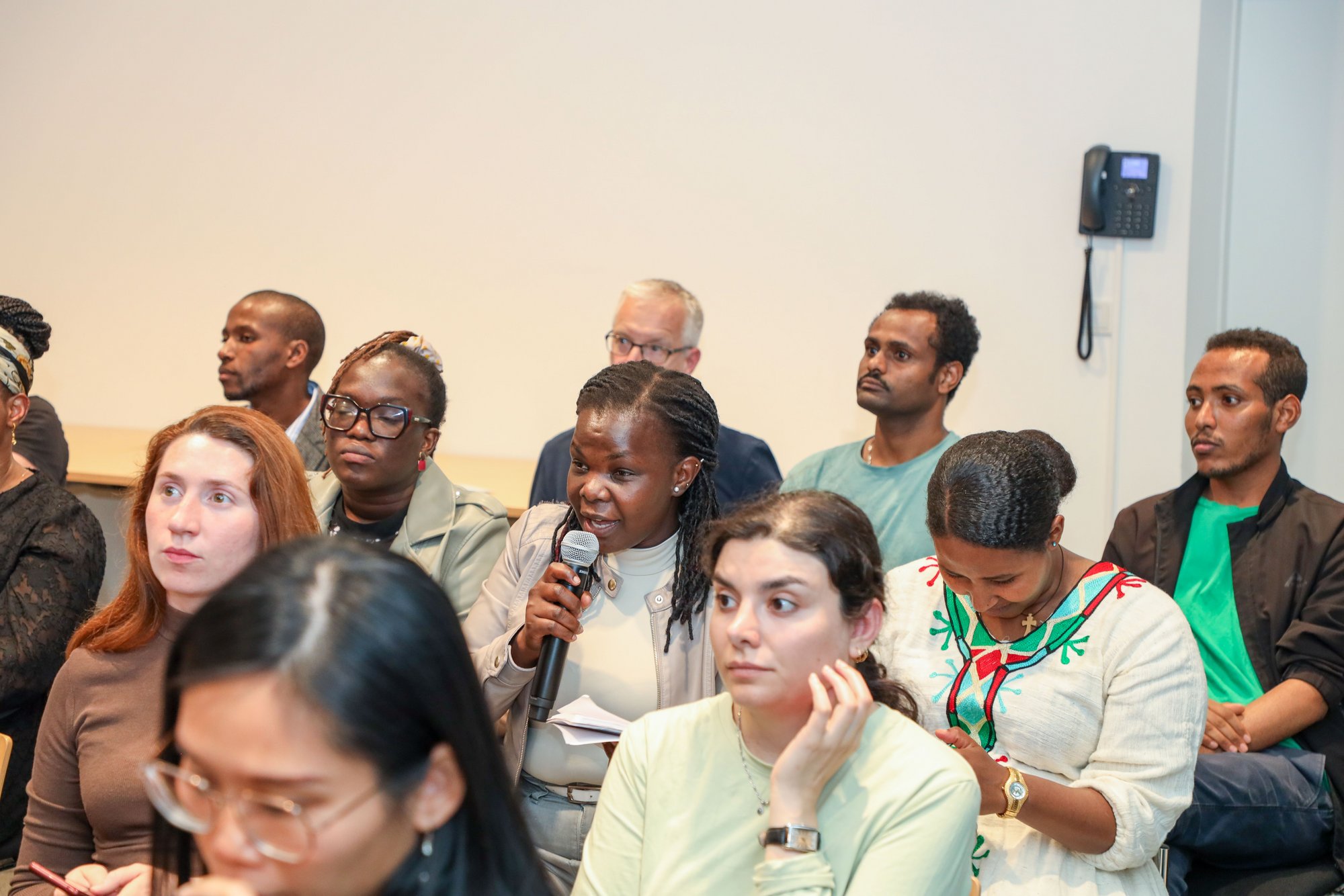
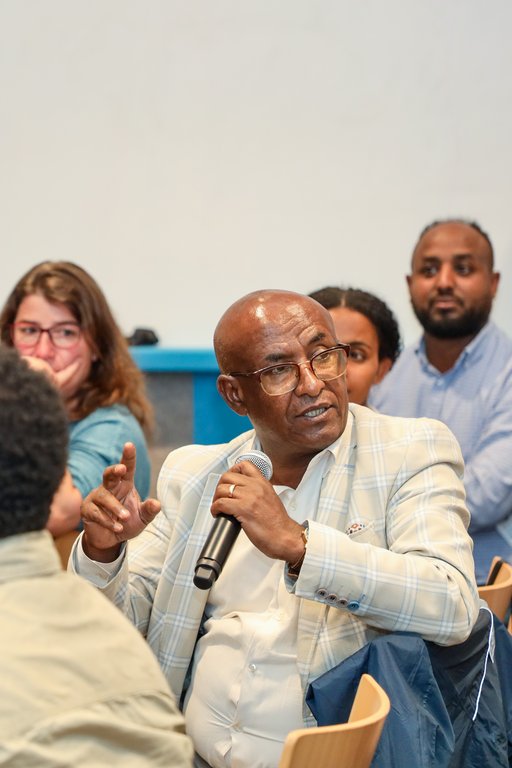
A final open discussion provided space for reflection on challenges and opportunities for gender-sensitive urban development. Participants discussed how research findings could inform future planning and how institutions might strengthen cooperation with affected communities. Going forward, the GIRT project aims to expand its comparative analyses and continue engaging stakeholders in Ethiopia and Mozambique.

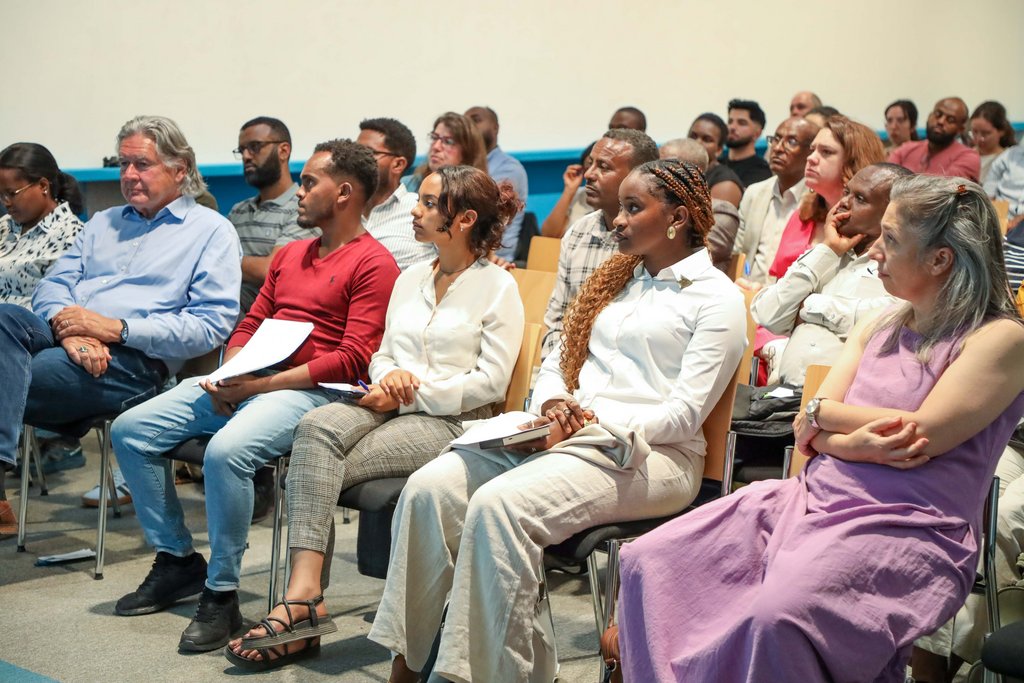
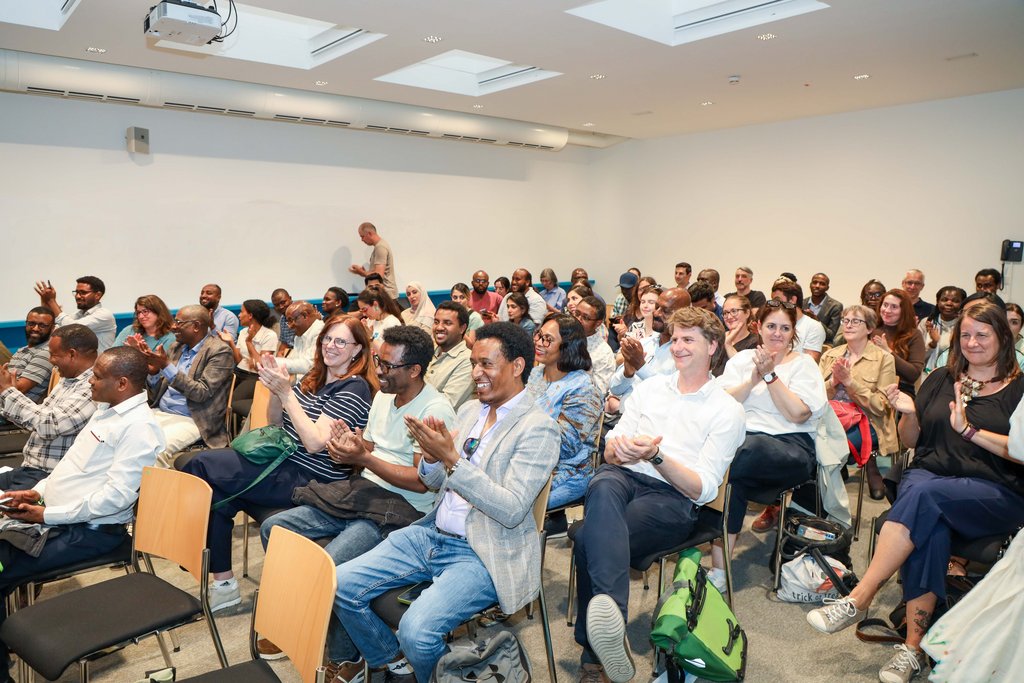
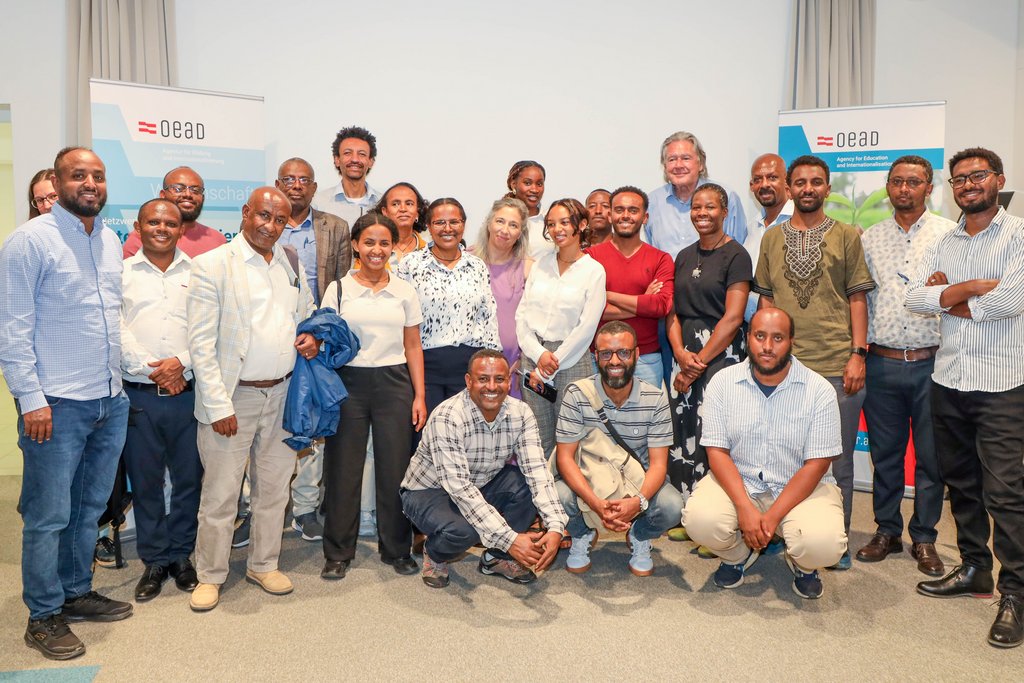
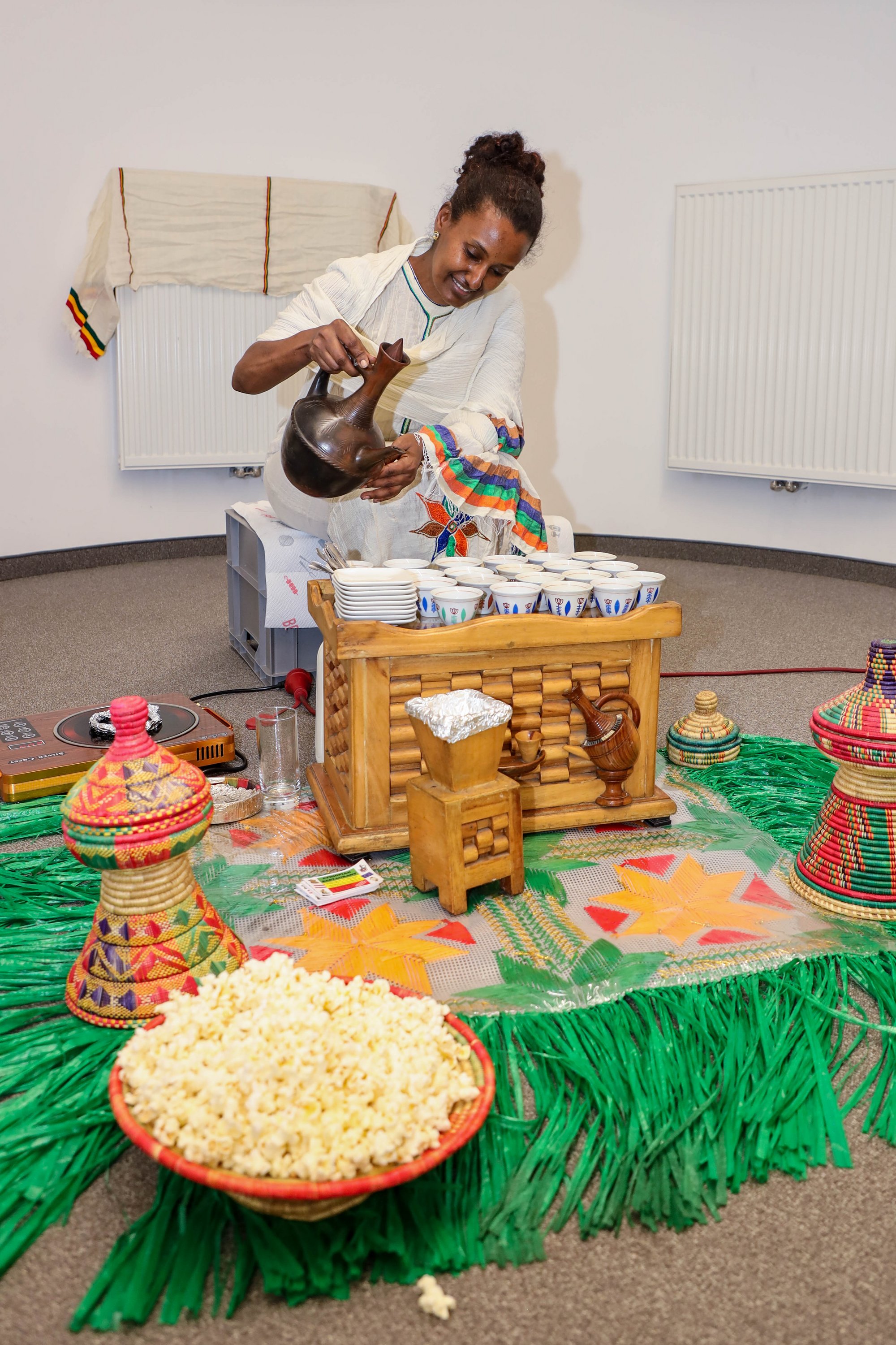
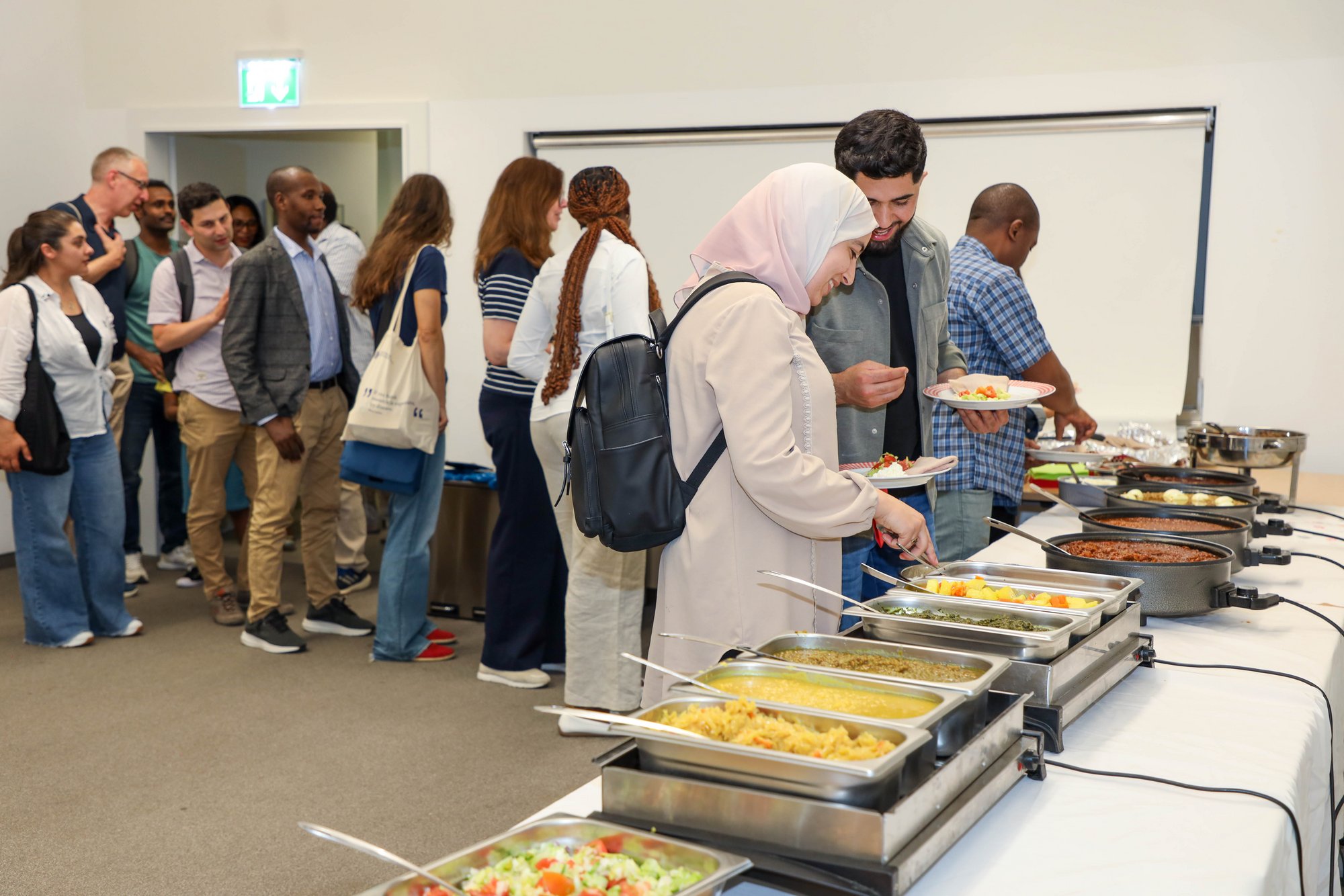
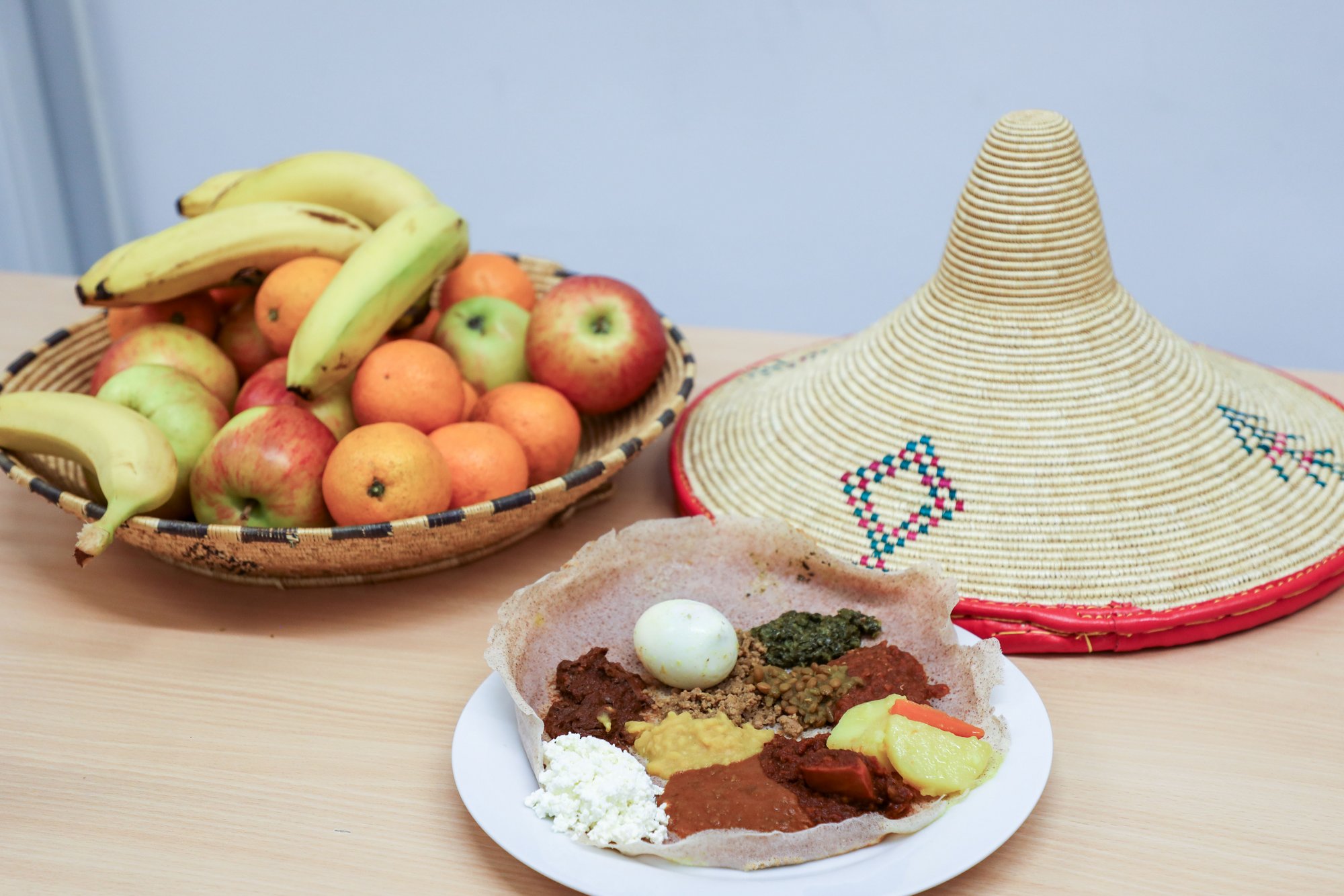
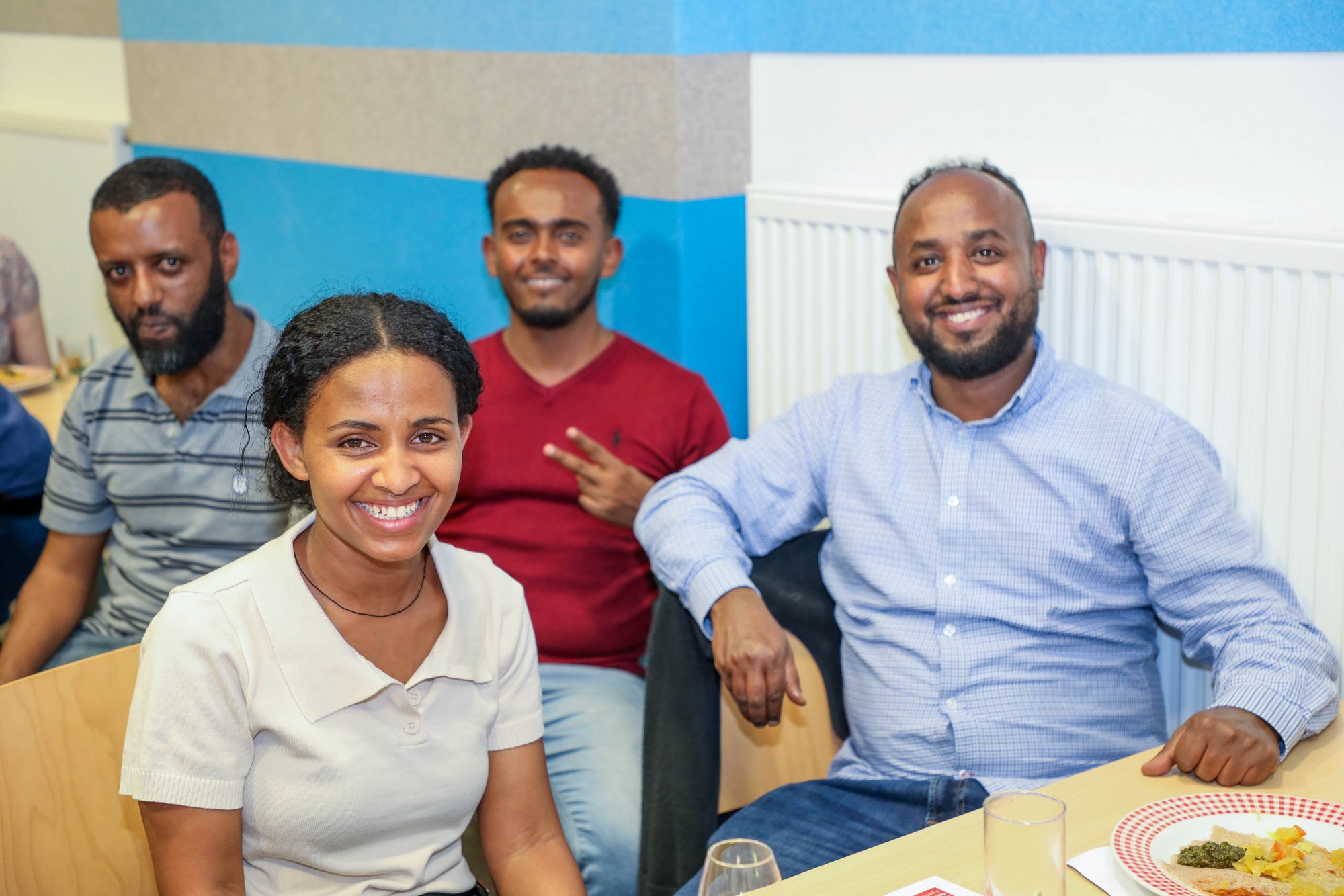
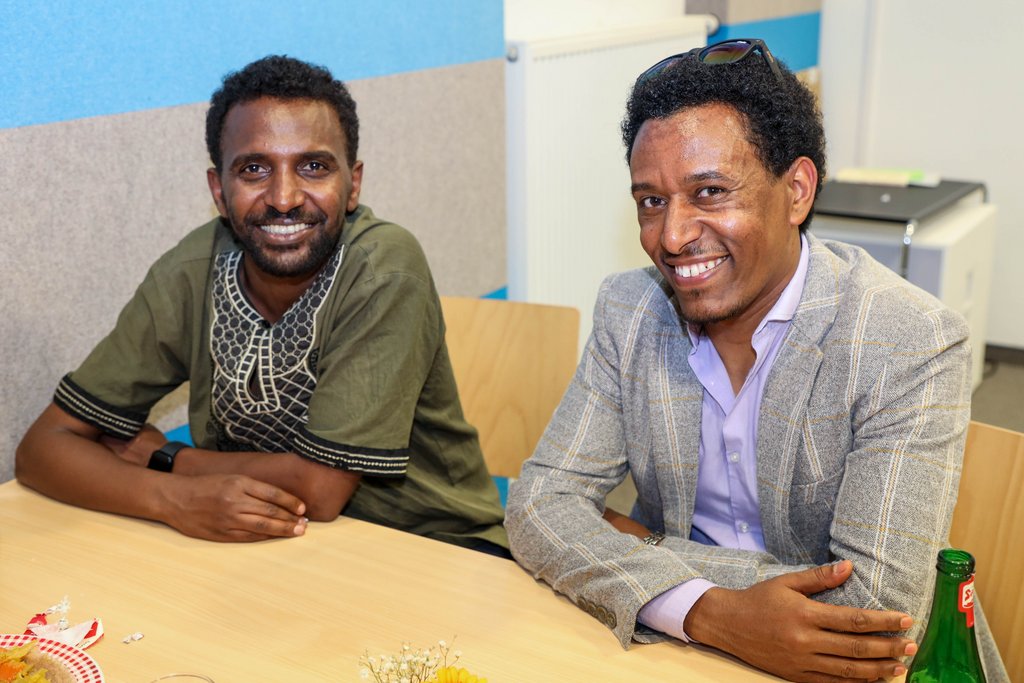
More than 70 people took part in the event. Following the official proceedings, there was an opportunity to discuss the posters and continue the conversation over Ethiopian food.

Read more about the GIRT project.
 

Back to overview
YouTube is deactivated

We need your consent to use YouTube videos. For more information, see our Privacy Policy.

Vimeo is deactivated

We need your consent to use Vimeo videos. For more information, see our Privacy Policy.

OpenStreetMap is deactivated

We need your consent to use OpenStreetMap. For more information, see our Privacy Policy.

Issuu is deactivated

We need your consent to use Issuu. For more information, see our Privacy Policy.

privacy_overlay.arcgis.title

privacy_overlay.arcgis.description

privacy_overlay.peertube.title

privacy_overlay.peertube.description