
Strengthening Capacity of Higher Engineering Education for Sustainable Buildings | HEESeB
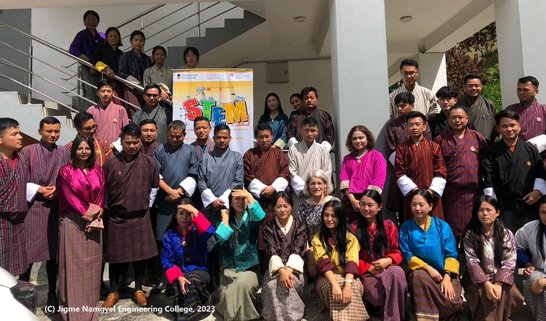
Project Coordinator: Tshewang Lhendup
Coordinating Institution: Jigme Namgyel Engineering College (JNEC), Royal University of Bhutan
Partner Institution: University of Innsbruck (UIBK), Austria
Partner country: Bhutan
Project Duration: 1 February 2023 – 31 January 2026
Budget: EUR 269.850,68
Project Overview
The project ‘Strengthening capacity of Higher Engineering Education for Sustainable Buildings’ abbreviated as HEESeB is an academic collaboration between the Jigme Namgyel Engineering College (JNEC), the Royal University of Bhutan and the University of Innsbruck. This collaboration aims to promote sustainable and resilient buildings in Bhutan, through extensive research and collaboration.
The academic partnership will formulate a certificate programme in Timber Engineering for Energy Efficient Buildings (TEEEB) at JNEC, aiming to generate qualified manpower for sustainable and resilient infrastructure planning, design, construction and maintenance of timber structures.
It will also lead to synergy of emerging technologies with natural building materials and age-old traditional practices through the transfer of knowledge and skills. Furthermore, this academic collaboration will be vital for professional development, addressing socio-economic and environmental challenges and harnessing niche opportunities in the field of sustainable development.
Project Goals
1. Diversify academic programmes
- Develop a new academic programme on timber engineering for energy efficient buildings,
- Develop two new courses related to gender, equity and diversity sensitive science, technology, engineering and mathematics (STEM); building modelling and simulation, and HVAC
2. Improve teaching support services at JNEC
- Provide short-term courses on gender, equality and STEM in collaboration with UIBK
- Professional development in the operation and management of timber engineering laboratory equipment.
3. Sharing knowledge and experience to enhance the teaching and research capacity of JNEC through staff and student exchange
Needs Assessment
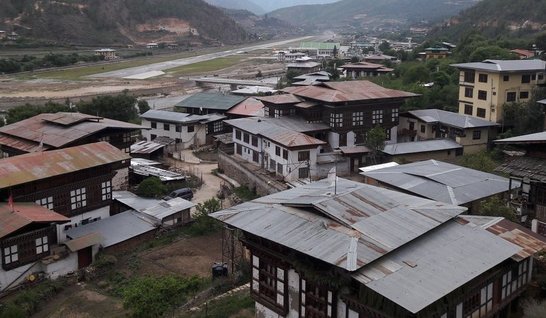
A cluster of timber structure buildings in Bhutan. Most of the structures are more than 20 years old. These buildings are vulnerable to earthquakes and natural disasters and are not energy efficient.
HEESeB will assess the need for timber engineering and identify the types of specialisation courses and trainings required for engineers to construct sustainable buildings using timber, which is abundant in the country.
The team intends to get feedback from the timber professionals as well as the existing timber industry.
Reporting
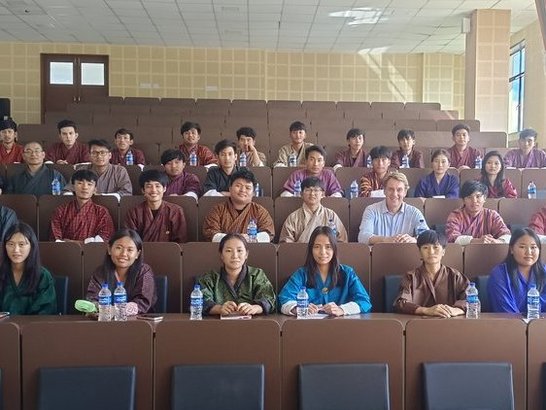
HEESeB | Report on the 2nd project year | (February 2024 - January 2025)
Within one year of project implementation, several significant outcomes were achieved. A needs analysis for the timber engineering course was conducted through a survey with 61 respondents, and the findings were presented to industry and academic experts. Based on this analysis, the project team designed a course structure covering Introduction to Timber, Timber Processing and Quality Control, Timber Construction Practices/Techniques, Maintenance and Retrofitting, and Energy-Efficient Buildings.
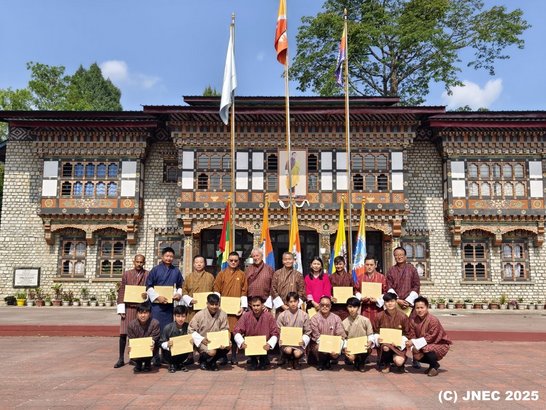
HEESeB | Report on the 1st project year | (February 2023 - January 2024)
Now in its second year, the HEESeB project continues the academic collaboration between Jigme Namgyel Engineering College and Universität Innsbruck, with ongoing efforts to strengthen higher engineering education in Bhutan through a focus on sustainable timber construction and energy-efficient building design.

To promote the sustainable use of timber in construction, Jigme Namgyel Engineering College launched a 10-week course on Certificate in Timber Engineering on 17 February 2025. This course is designed to equip engineering professionals with a comprehensive understanding of key principles in timber engineering.
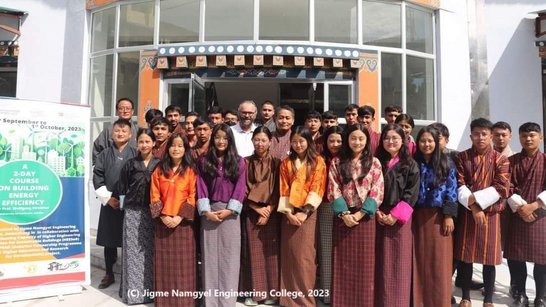
As part of the Strengthening Capacity of Higher Engineering Education for Sustainable Buildings (HEESeB) project, three Training of Trainers (ToT) courses were successfully held from 30 September to 3 October. These courses focused on key issues for the advancement of education in this field.
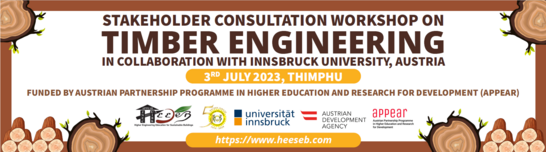
A Stakeholder Consultation Workshop organised as part of the Strengthening Capacity of Higher Engineering Education for Sustainable Buildings | HEESeB project was held in Timphu on 3 July.