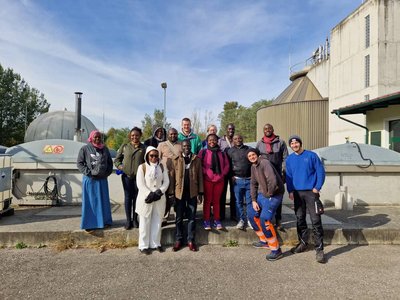
Workshops and exchange programs were conducted at JOOUST, Makerere University, Kyambogo University, and BOKU to support knowledge transfer in analytical methods, environmental monitoring, and microplastics research. A notable activity was a microplastics workshop at BOKU, which combined lectures from subject experts with visits to wastewater and waste management facilities. These interactions supported methodological development and helped build connections for possible future cooperation.
Research activities progressed as planned. Samples from Lake Victoria, the River Nile, and the Albertine Graben were collected, extracted, and analysed, with remaining specialized analyses ongoing. MSc and PhD students moved forward in their projects, with several completing their studies or nearing completion. Ongoing laboratory work has generated data for multiple manuscripts currently being prepared.
The project also conducted several outreach activities in Uganda and Kenya. These included sensitization sessions in schools and communities, training for farmers on safe handling of acaricides, and targeted engagement with learners with special needs. These activities aimed to inform local groups about pollution risks and practical mitigation measures.
Student and staff mobility contributed to joint supervision and collaborative research. Team members from partner universities undertook exchange visits to advance analyses, discuss progress, and align methodologies. Curriculum review activities were finalized, with updated analytical chemistry programs at different academic levels nearing approval at partner institutions.
Two inventions arising from undergraduate laboratory work at JOOUST were patented in Kenya. Business plans for potential commercialization have been drafted. In addition, project members secured external research grants in occupational health and safety, gas chromatography capacity building, and plastic waste management.
The project website continued to be updated, and dissemination activities were carried out at study sites. Stakeholder engagement events provided input on waste management practices, particularly regarding plastics, and contributed to new proposal development.
Overall, the project remains on track and continues to implement its planned activities. Work in the coming period will focus on manuscript preparation, dissertation submissions, final community engagement events, and the conclusion of remaining laboratory analyses.