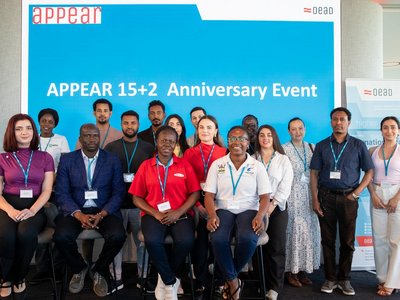
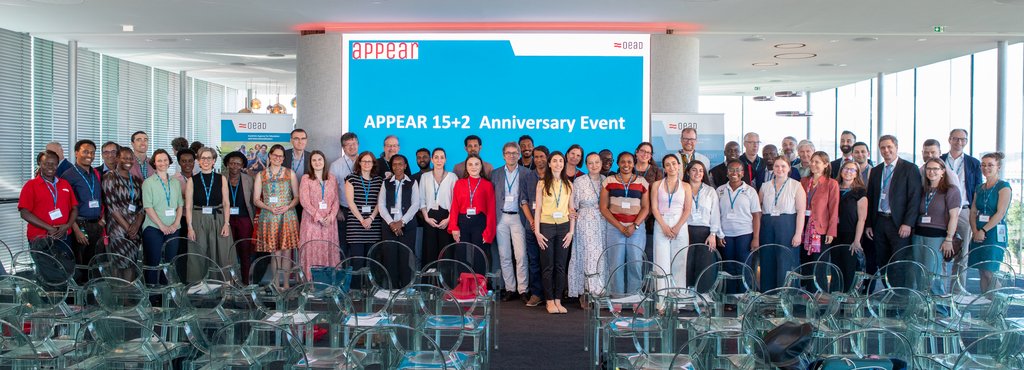
Welcome
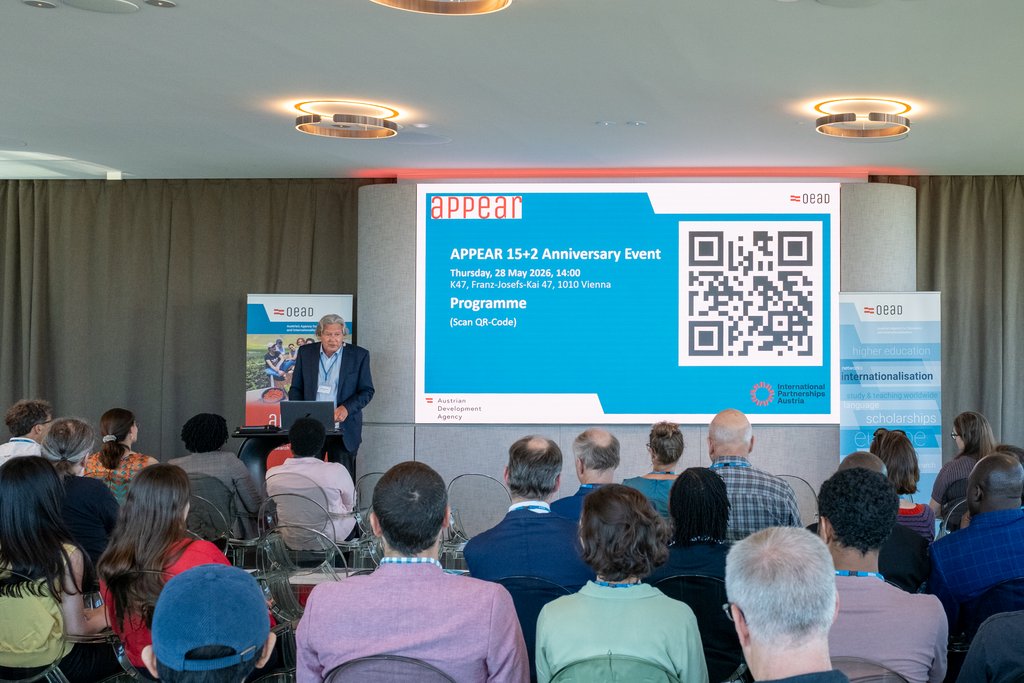
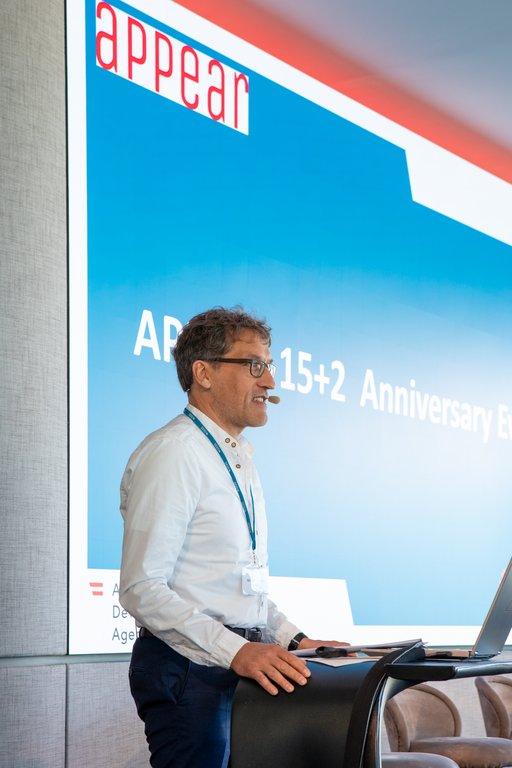
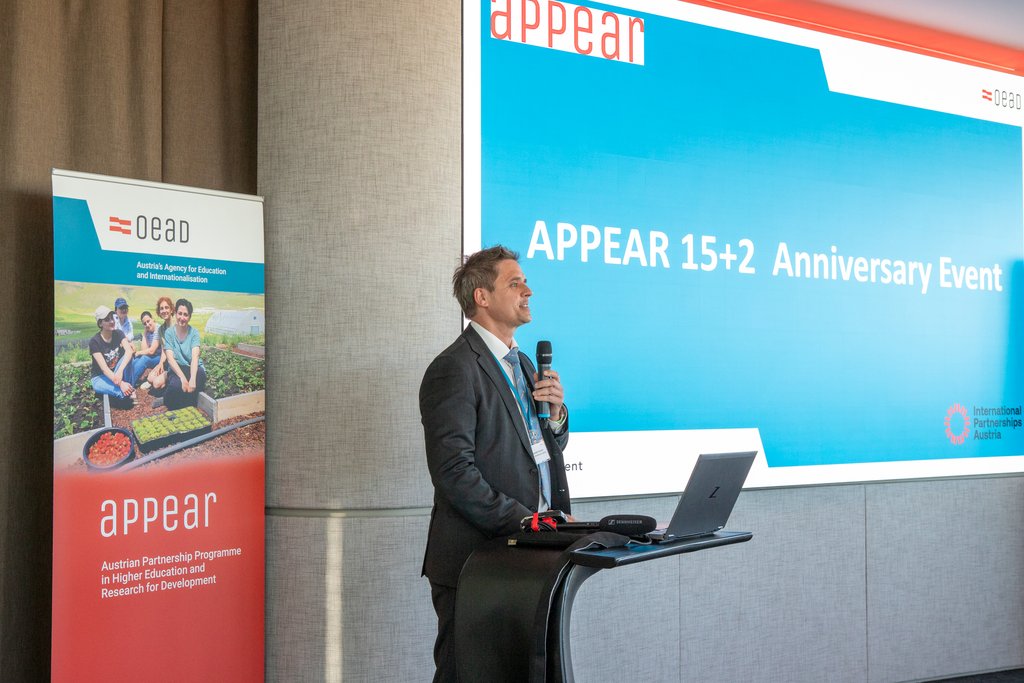
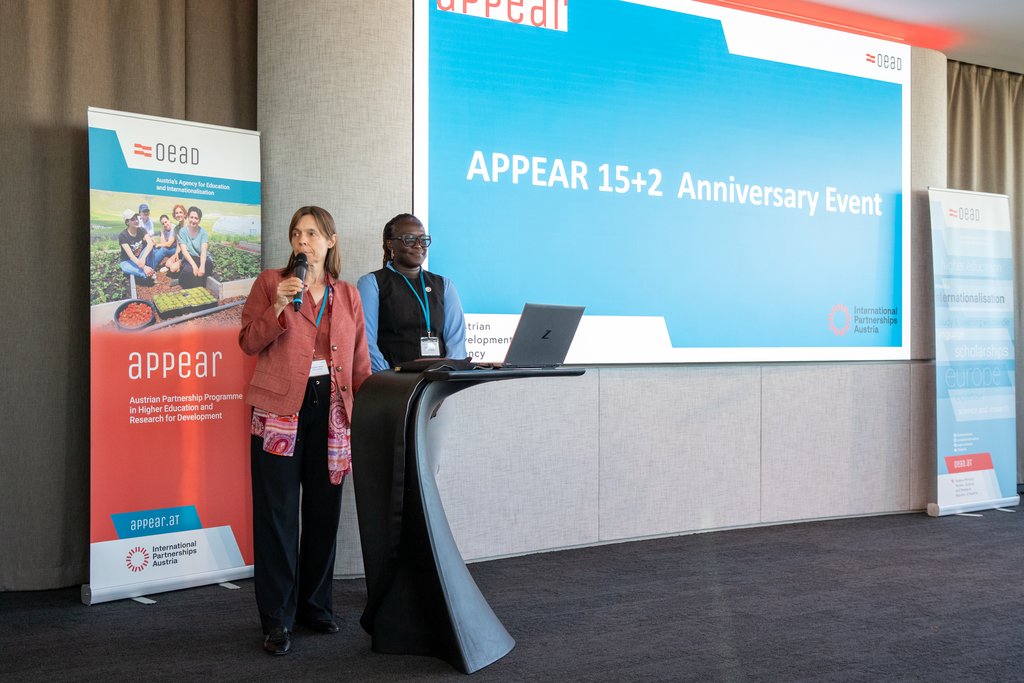
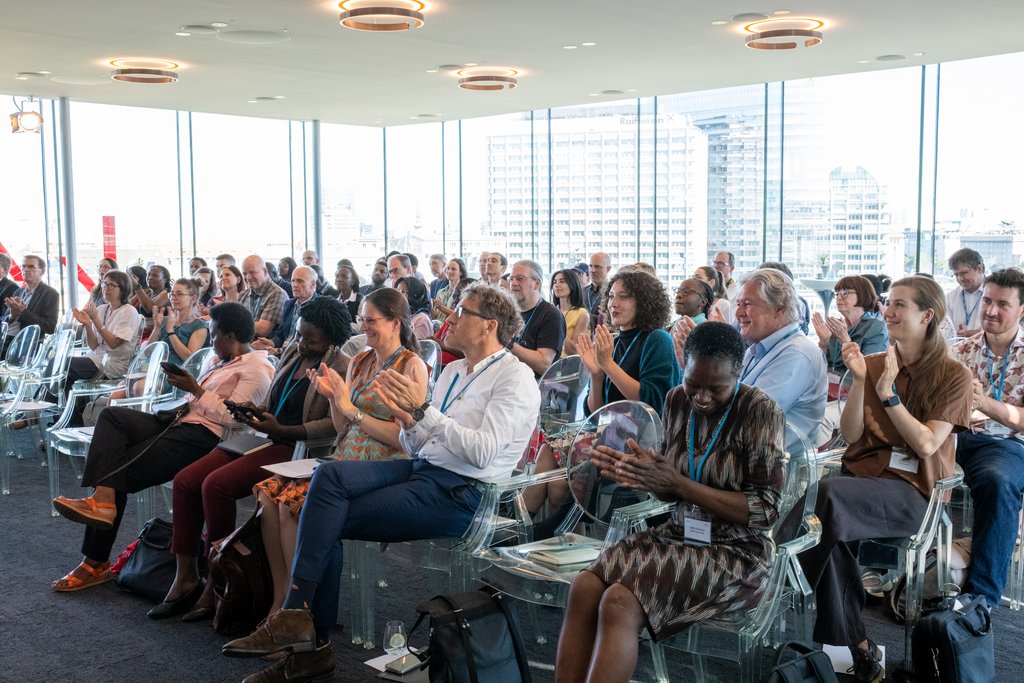
Andreas Obrecht, head of the APPEAR team since its inception, opened the proceedings with a warm welcome, expressing gratitude to all participants for their engagement and contributions, highlighting the sense of community that has grown around the programme.
Obrecht recalled the programme’s origins, noting, “Seventeen years ago in early 2010, we had the kickoff meeting… as a young sociologist, as a young cultural and social anthropologist in the mid 1980s, we would have loved to have a programme like APPEAR. But there was nothing comparable, no programme, nothing like that”. This reflection underscored APPEAR’s pioneering role in systematic development research and international academic partnerships.
Project Presentations: Showcasing Impact
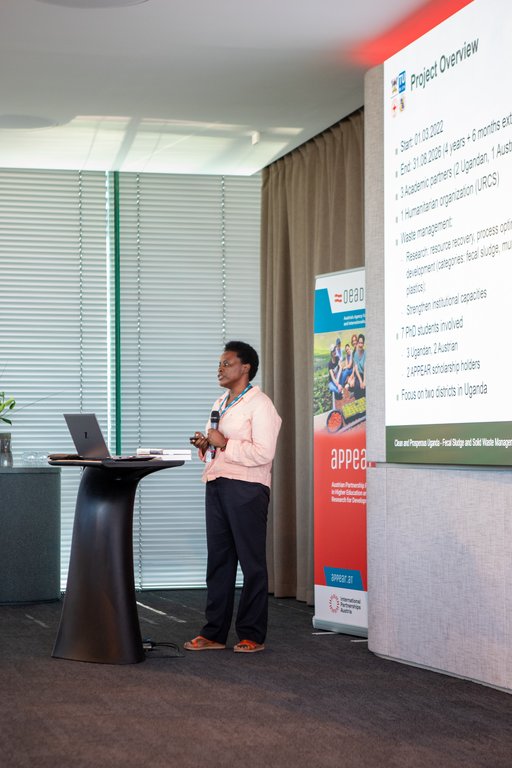
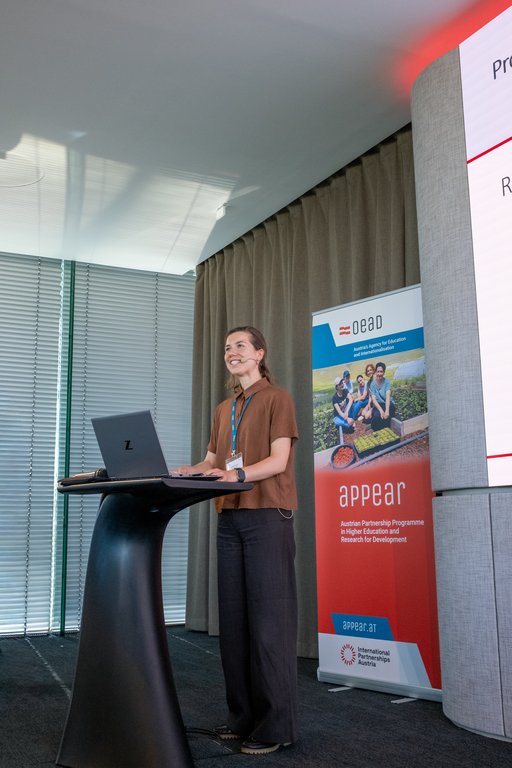
The first session featured presentations from ongoing APPEAR projects, demonstrating the programme’s practical relevance and reach. Jeninah Karungi from Makerere University introduced the “Clean and Prosperous Uganda” project, focusing on faecal sludge and solid waste management for improved livelihoods. She emphasised the importance of APPEAR’s support and illustrated how targeted interventions can drive sustainable change in local communities.
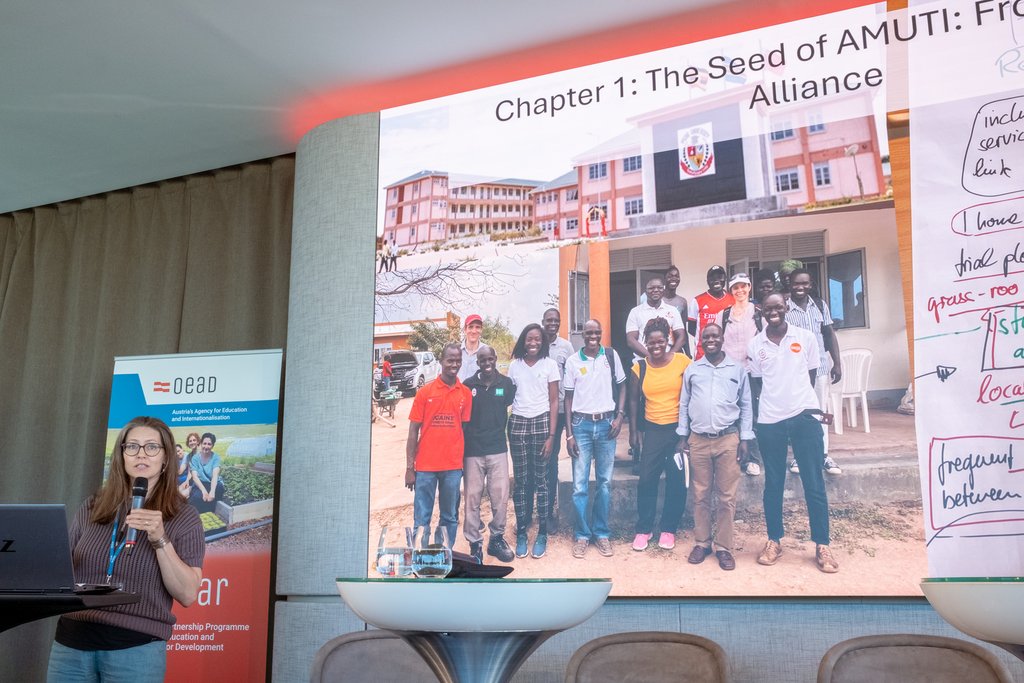
Elisabeth Huber from the University for Continuing Education Krems presented the GIRT project, which aims to strengthen research and educational competences of higher education institutions for gender-sensitive urban transformation. Both projects exemplified APPEAR’s commitment to addressing real-world challenges through transdisciplinary partnerships and fostering innovation in partner countries and Austria.
Evaluation Results: Measuring Success
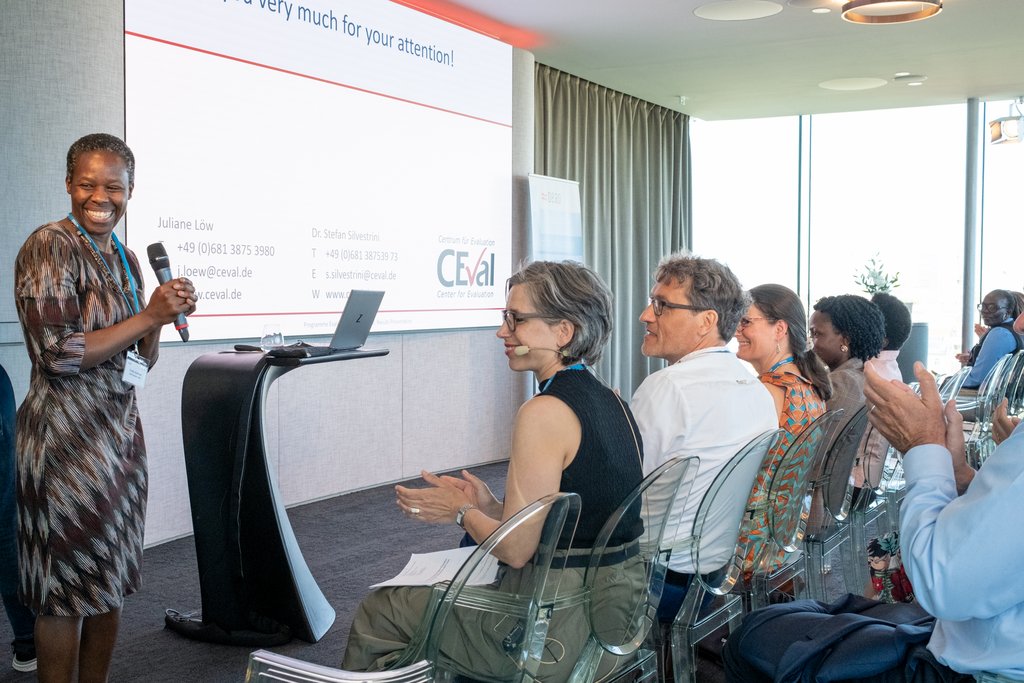
Juliane Löw of CEval GmbH shared the results of a recent programme evaluation, providing an evidence-based assessment of APPEAR’s effectiveness. While sustainability and impact were not explicit evaluation criteria, Löw noted, “There are reasons to believe that it is impactful and sustainable,” referencing the longevity of partnerships and the emergence of follow-up projects. The evaluation highlighted APPEAR’s role in bridging the gap between academic research and development work, though it also pointed out the challenge of extended impact partnership requirements surpassing traditional academic competencies.
Strategic Context and Future Perspectives
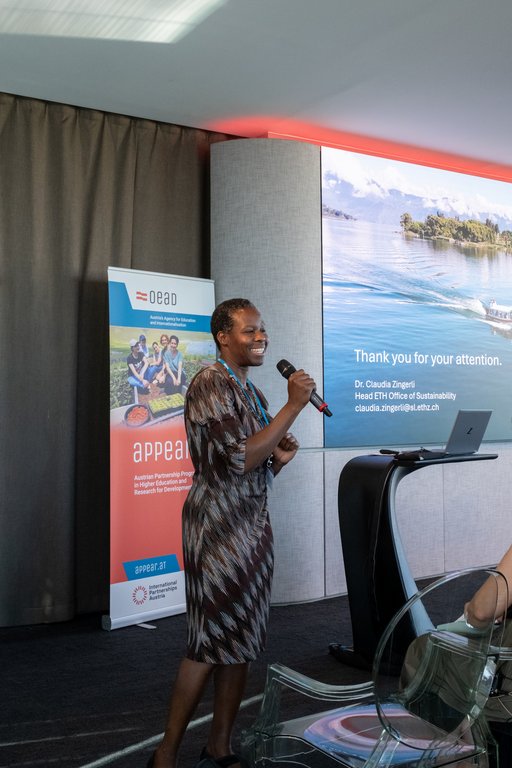
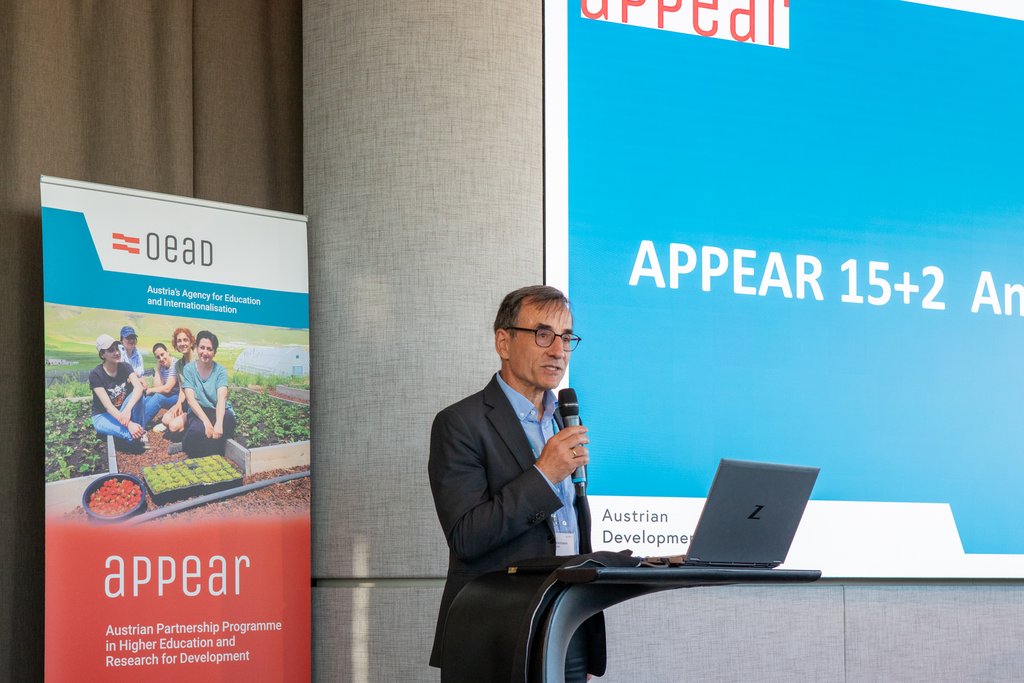
Claudia Zingerli from ETH Zürich delivered a keynote on APPEAR’s strategic relevance and future perspectives. She described the programme as “a vibrant international community built on trust, academic excellence, shared responsibility and long-term partnerships,” and stressed the importance of celebrating these achievements. Zingerli acknowledged the increased commitment to development cooperation amongst Austrian higher education institutions, noting that APPEAR’s impact is shaped by global processes and evolutions that cannot be fully anticipated or controlled. Nevertheless, she highlighted the APPEAR team’s “constant reflection, intercultural and interdisciplinary competencies, and strategic foresight,” which have shaped the project framework for research and teaching.
Zingerli also challenged the notion that extended impact partnership requirements might represent a design fault, arguing instead that this perspective “does not tap into the full potential that actually was built” through APPEAR projects. She emphasised “the knowledge, the creativity, the desire for change” that transdisciplinary partnerships have cultivated, suggesting that the programme has successfully shaped careers and roles of both young and established scholars in partner countries and Austria.
Metareflections: Experiences and Perspectives
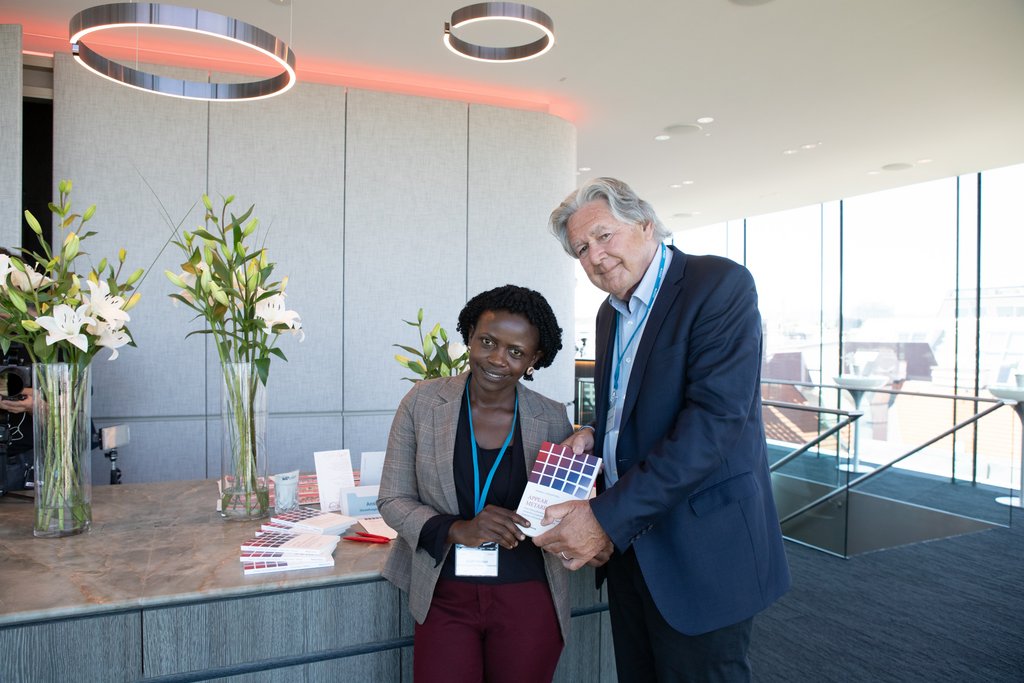
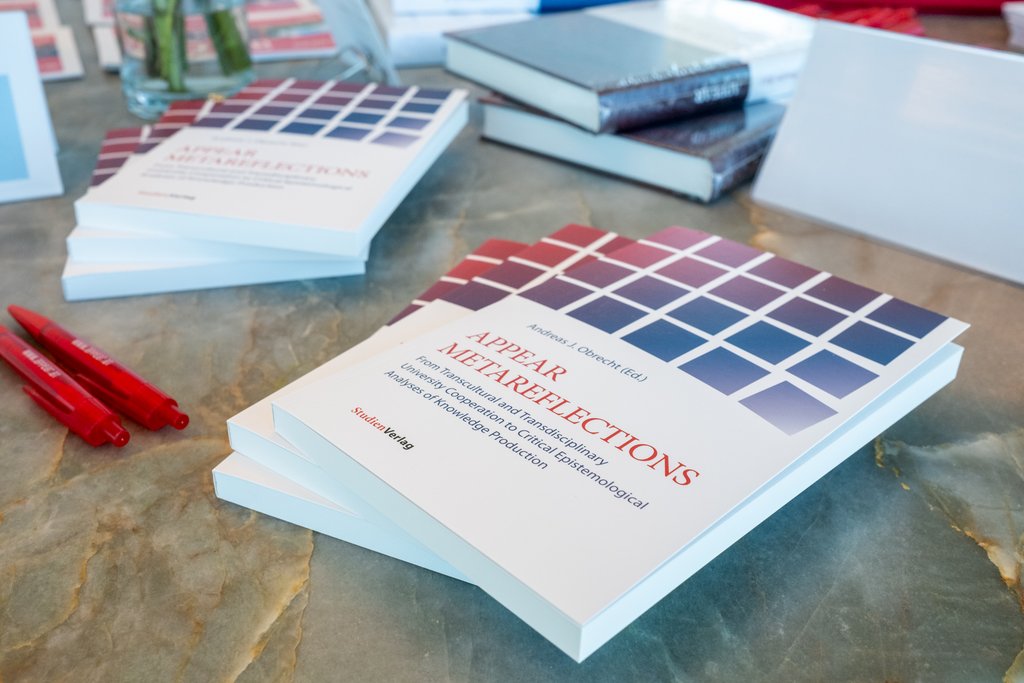
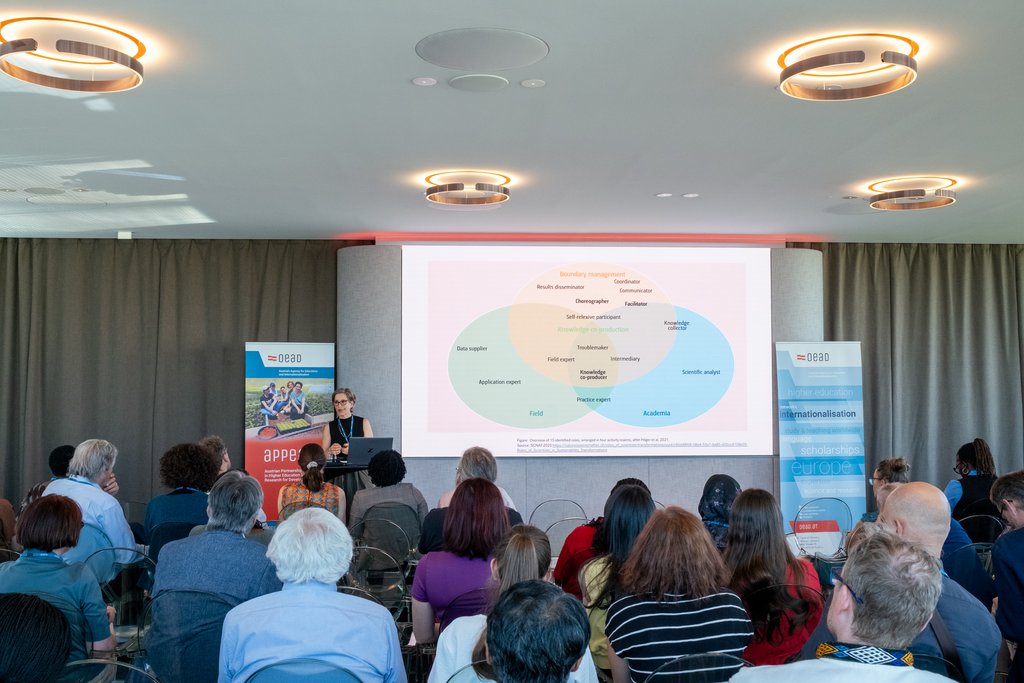
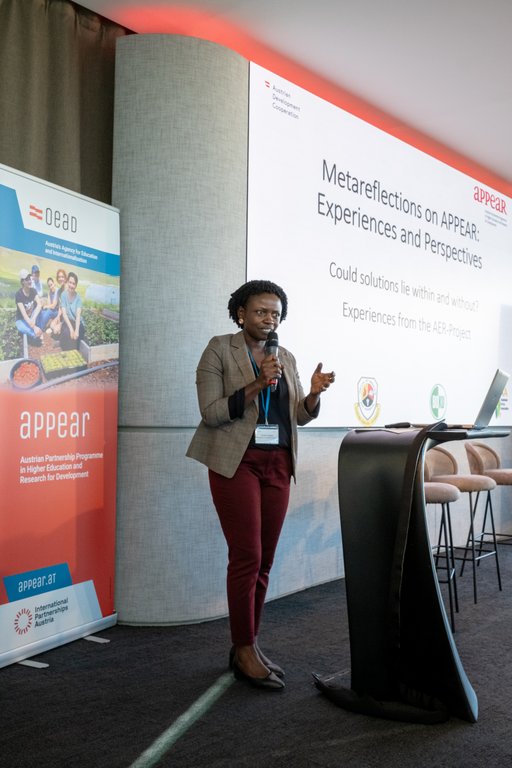
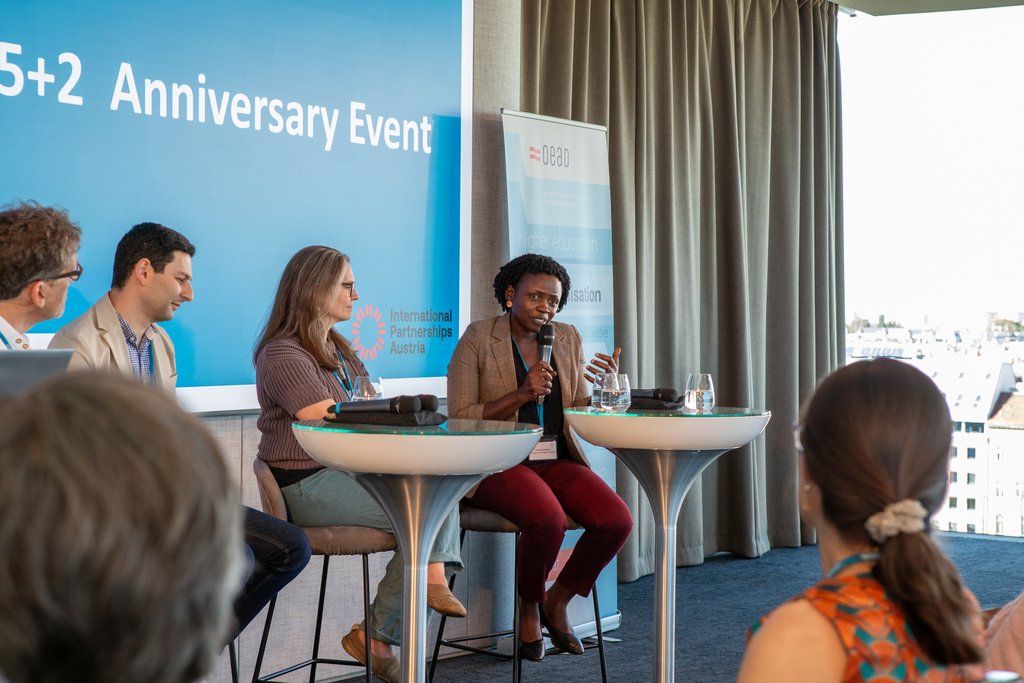
The second session featured contributions from authors of the recently published book titled Metareflections, edited by Andreas Obrecht. Violet Kisakye from Mountains of the Moon University shared her journey with APPEAR, which began around 2015 and intensified when she became an active coordinator from 2018. Her project focused on agroecology as a sustainable farming system amongst rural communities in Western Uganda facing land degradation and climate change, demonstrating how APPEAR enables locally-driven solutions to pressing challenges.
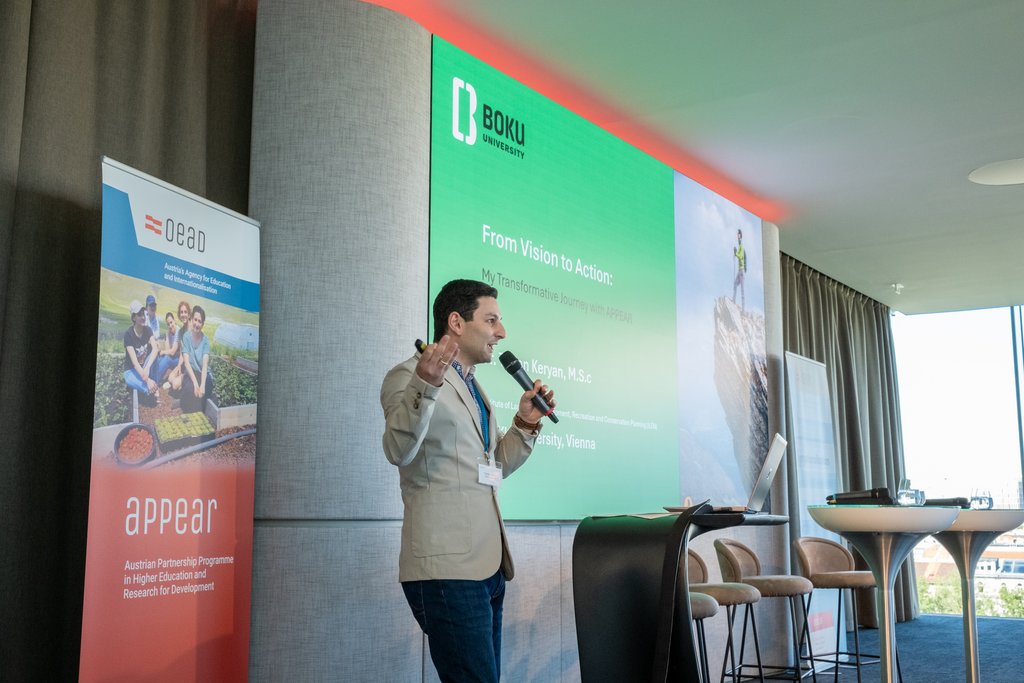
Tigran Keryan and Milena Klimek from BOKU University offered insights into their experiences, with Tigran Keryan reflecting on the personal sacrifices and professional opportunities that APPEAR facilitated for early-career researchers from partner countries. While Milena Klimek emphasised that personal relationships are a key factor in driving change at different scales, from micro- and meso- to macro-level.
Michael Holländer from GIZ provided a synthesis commentary on the presentations, drawing together the recurring themes and offering a practitioner’s perspective on APPEAR’s contribution to development cooperation. His reflections bridged the academic and development worlds, highlighting how APPEAR projects successfully navigate the tension between rigorous research and practical impact. Holländer’s commentary underscored the programme’s unique position in fostering partnerships that are both intellectually robust and developmentally relevant, reinforcing the value of sustained collaboration between Austrian and partner-country institutions.
The presentations collectively underscored the programme’s role in shaping careers and roles of both young and established scholars, fostering knowledge, creativity, and a desire for societal transformation.
Evening Reception: Celebrating Community
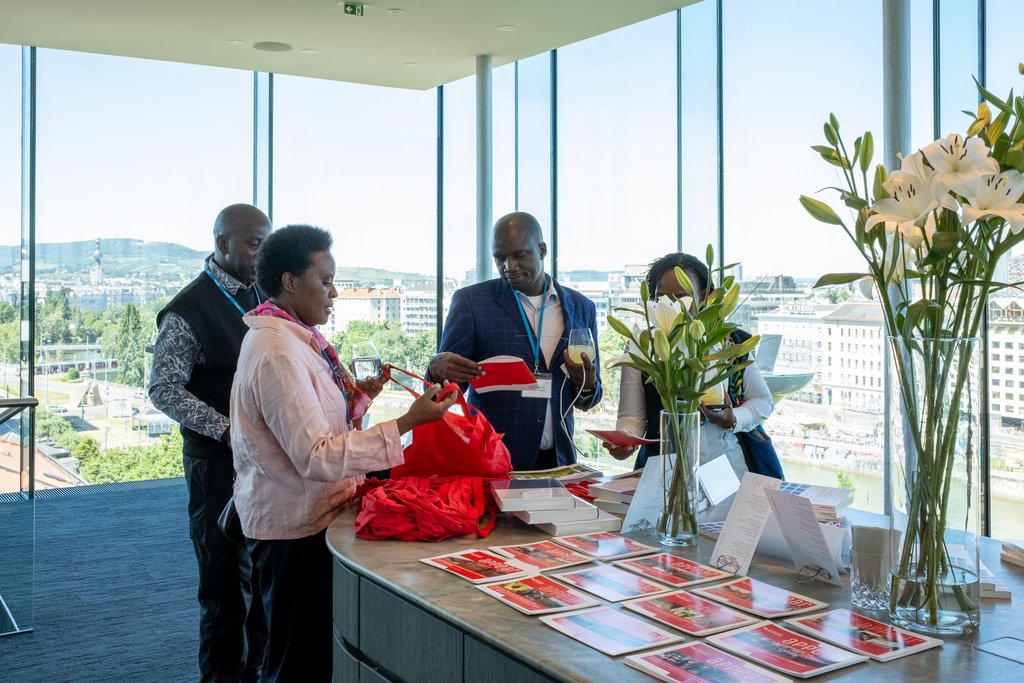
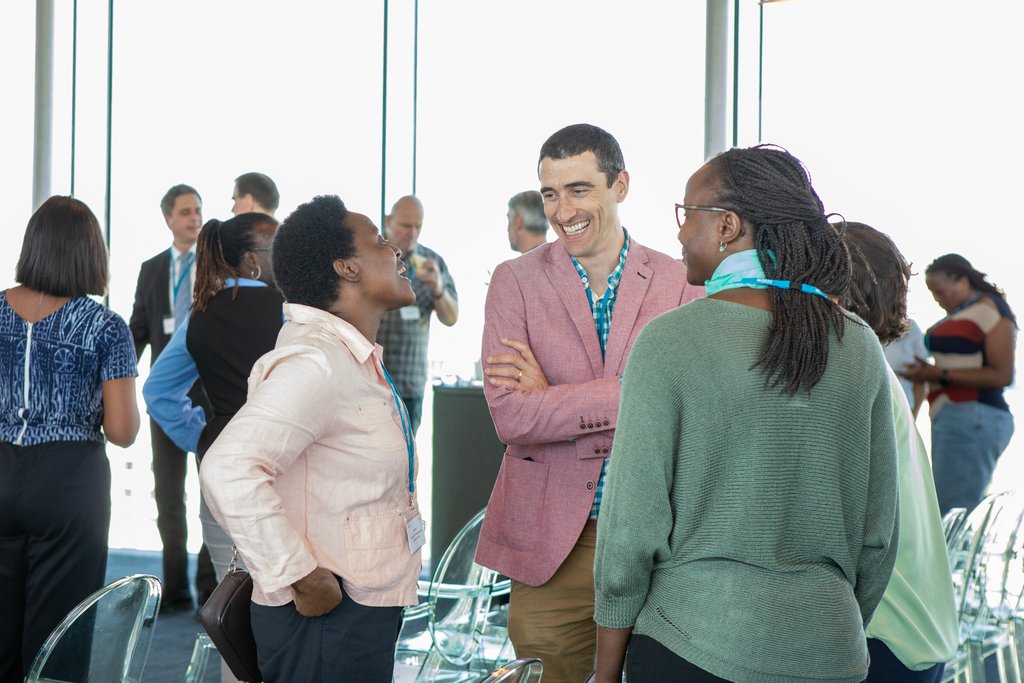
The evening reception, facilitated by Maiada Hadaia, featured a video message from Beate Meinl-Reisinger, Austrian Federal Minister for European and International Affairs, and contributions from Alexander Karner (Austrian Development Agency), Ulrich Hörmann (OeAD), Stefanie Lemke (BOKU University), and Caroline Paparu (Muni University and BOKU University). The event was accompanied by music from Christina Zurbrügg, providing a relaxed setting for networking and informal exchange.
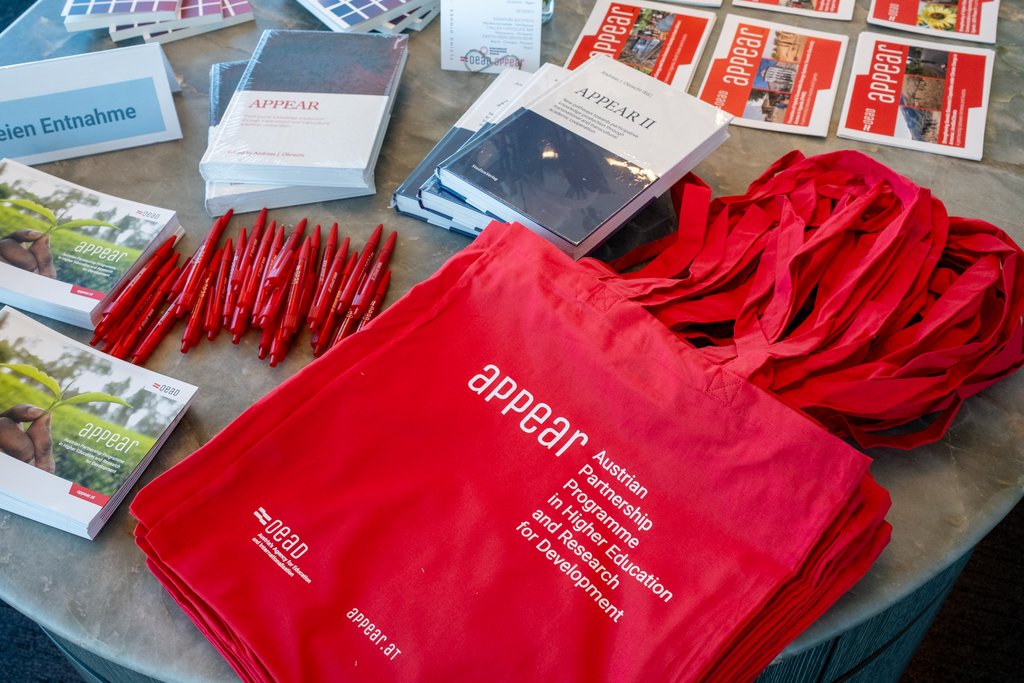
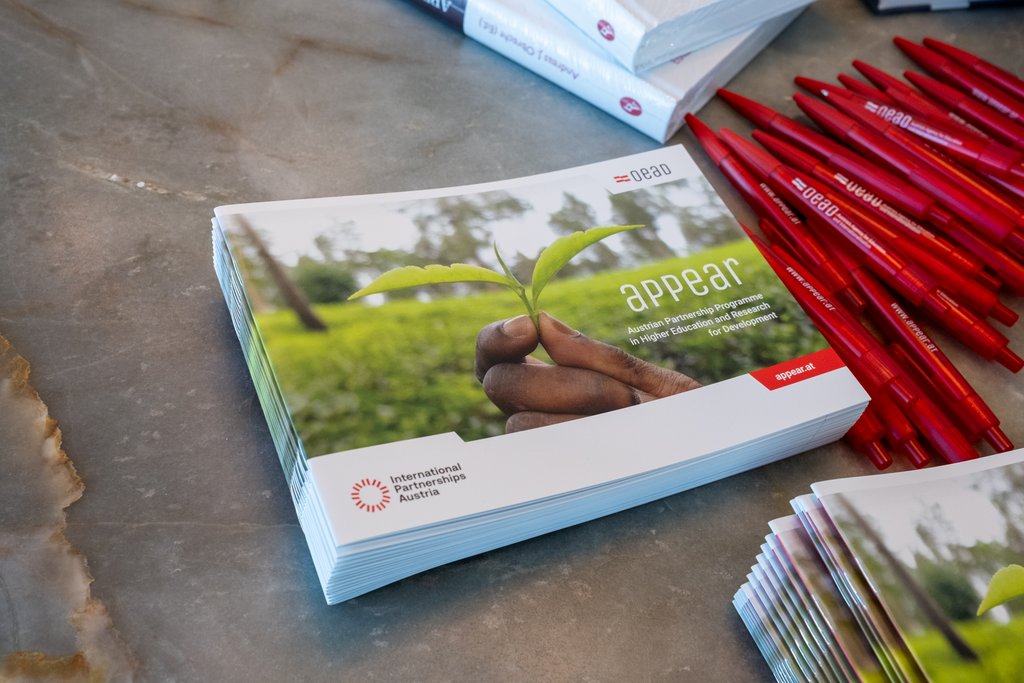
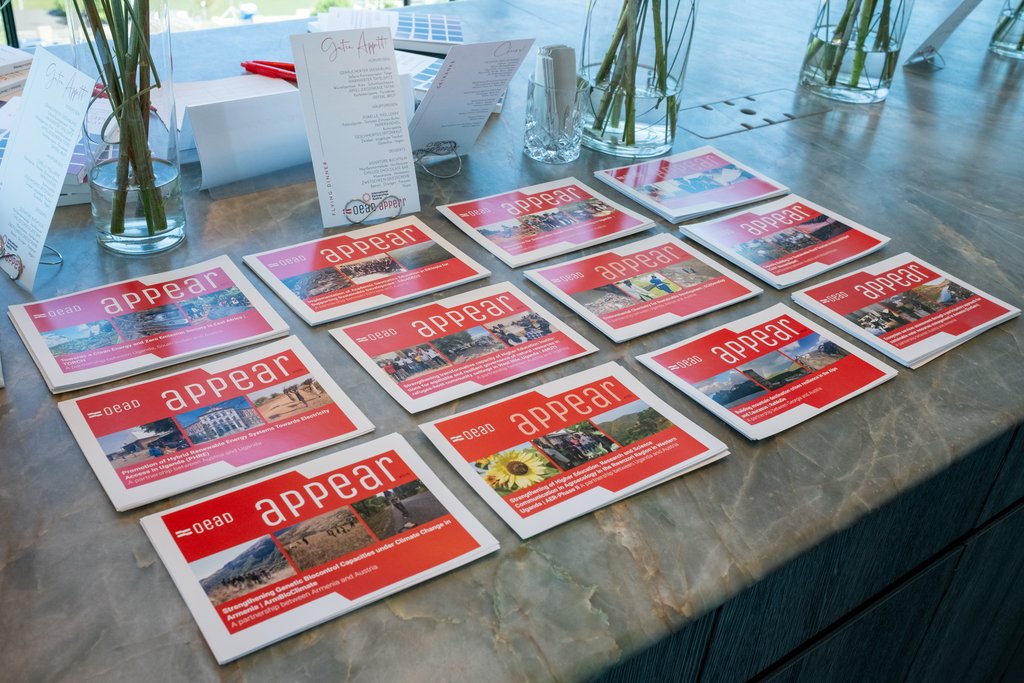
Obrecht expressed appreciation for the Austrian Development Agency’s “many, many years of smooth and very respectful cooperation,” and thanked OeAD for providing “a really professional infrastructure to implement the programme”. He shared key figures: “All together, we had 665 applications in three phases in 17 years. From 355 submitted academic partnership proposals, 63 were approved and advanced academic partnerships, we had 31 submitted and 11 approved in a total of 24 countries. Now we are in the third phase of the programme from 2020 to 2027 with a total budget of 8.7 million and four calls up to the year 2021”. More Facts and Figures from can be found in recently published folder.
Central Achievements and Recurring Themes
Throughout the event, several central achievements and recurring themes emerged:
Systematic Approach: APPEAR was the first programme to systematically foster development research and international academic partnerships, moving beyond individual initiatives to build lasting institutional collaborations.
- Community Building: The programme has evolved into a vibrant international community, characterised by trust, excellence, and shared responsibility.
- Sustainability and Impact: Long-term partnerships and follow-up projects indicate sustainability, though bridging the gap between academic and development work remains a challenge.
- Capacity Building: APPEAR has shaped the careers of scholars in Austria and partner countries, promoting transdisciplinary approaches to real-world problems.
- Strategic Foresight: The programme’s adaptability and strategic reflection have enabled it to respond to changing global contexts and needs.
Outlook: Future Significance of APPEAR
As APPEAR enters the final stage of its third phase, the programme continues to play a pivotal role in strengthening higher education cooperation for development. The event’s discussions underscored the need for ongoing innovation, capacity building, and strategic partnerships to address evolving challenges. APPEAR’s legacy lies not only in its achievements but also in its commitment to fostering a community of practice that bridges academia and development, preparing institutions and individuals for the complexities of global cooperation. The anniversary event reaffirmed APPEAR’s enduring relevance and its potential to shape the future of higher education and development cooperation.