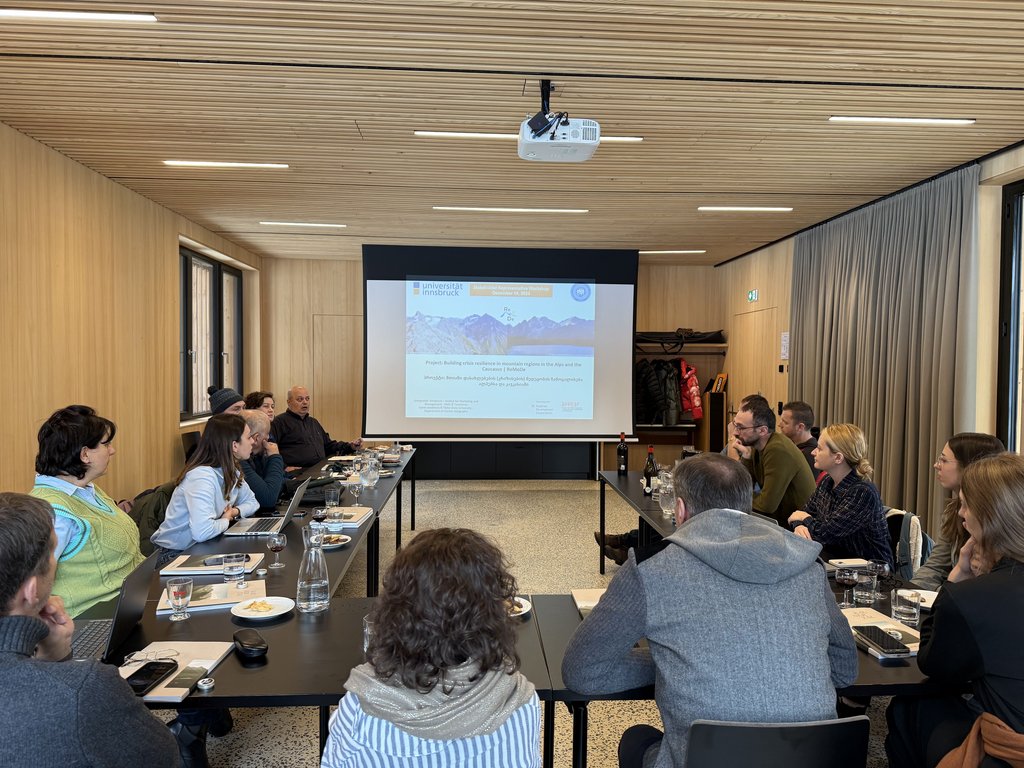
The visit began with a welcoming event, where the project Building mountain destination crises resilience in the Alps and Caucasus | ReMoDe was reintroduced to the Georgian stakeholders, setting the stage for an engaging exchange over the coming days.
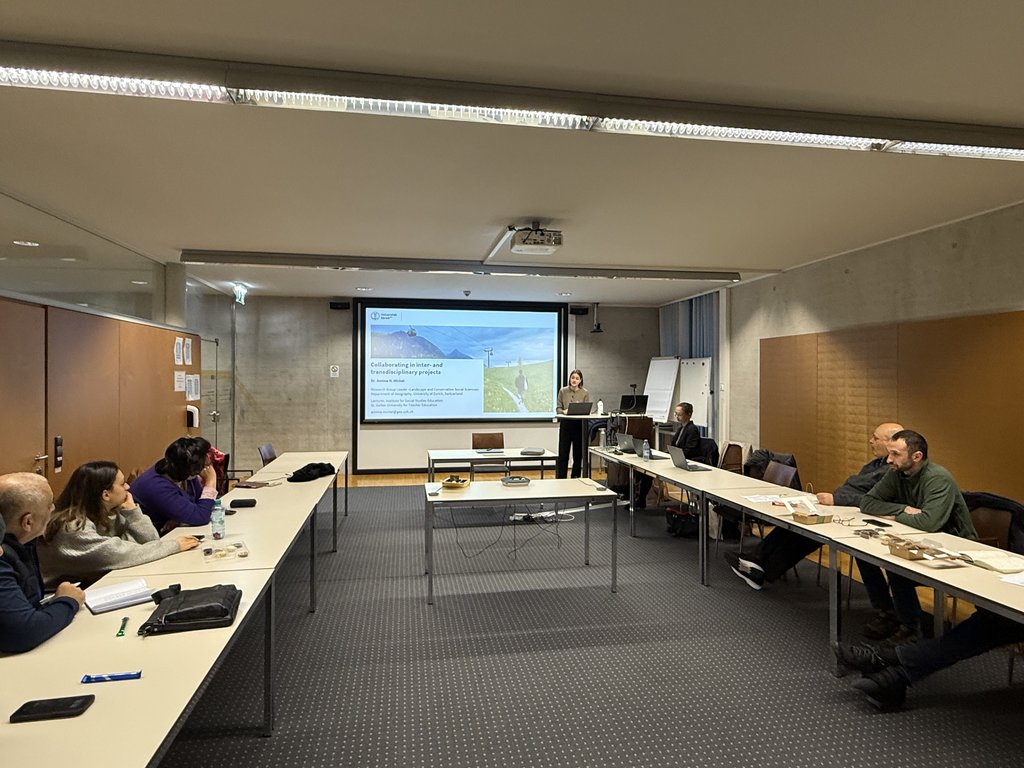
The delegation’s second stop was Kaunertal (the pilot region in Austria), where a joint workshop was held with local stakeholders, including representatives from the DMO, the municipality, and residents. This workshop focused on the ongoing development of resilience indicators, reflecting on preliminary findings from earlier stakeholder workshops in both Austria and Georgia. The discussions highlighted shared challenges and also underscored the country-specific differences in destination resilience between Mestia and Kaunertal.
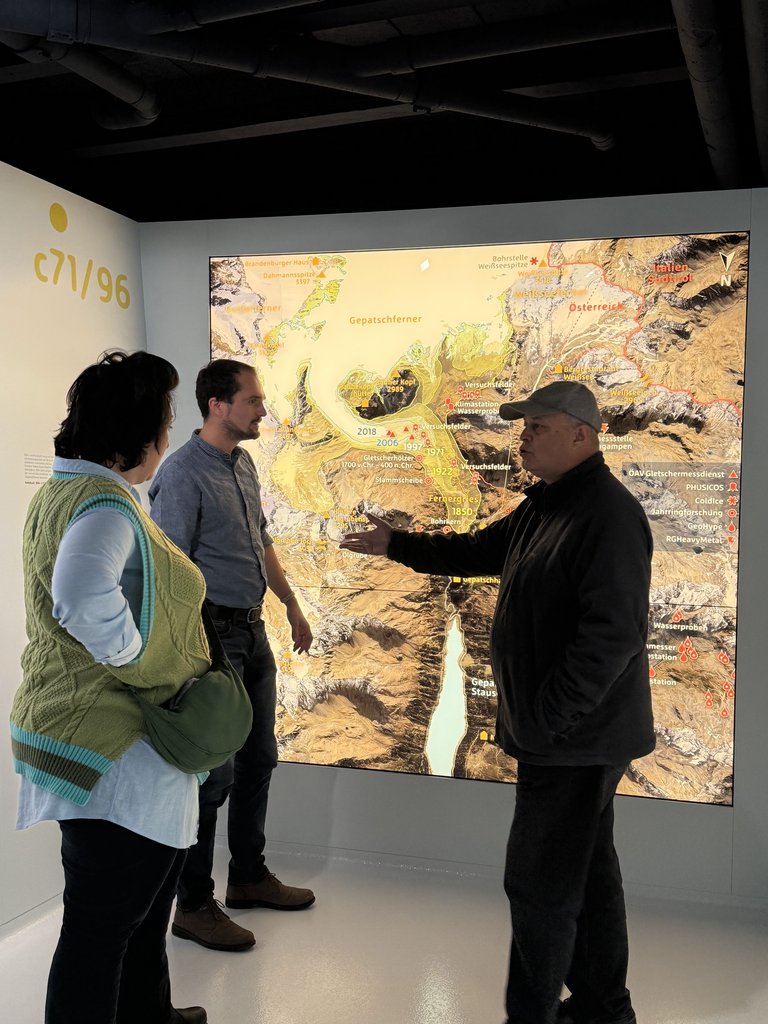
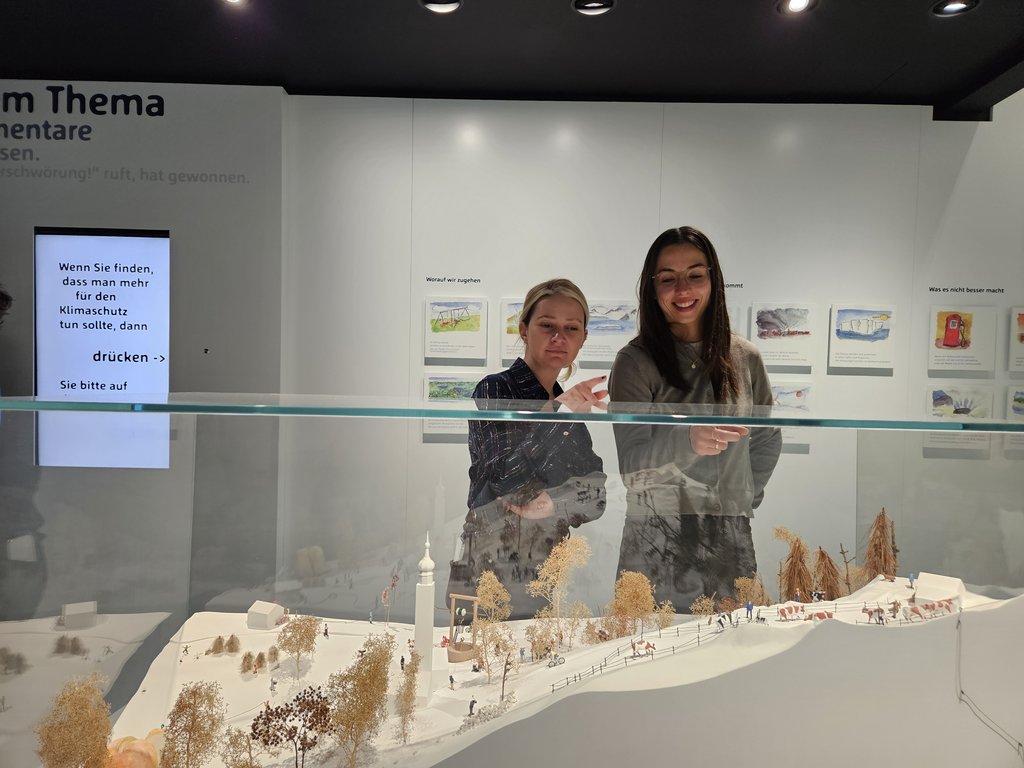
The workshop was followed by a brief tour through the Kaunertal nature park house exhibition, offering insights into the region's natural and cultural heritage. Before returning to Innsbruck, the stakeholders also made a short stop at the local fire station, where they were introduced to the structure and functions of the volunteer fire brigade – a small but informative glimpse into local crisis response systems.
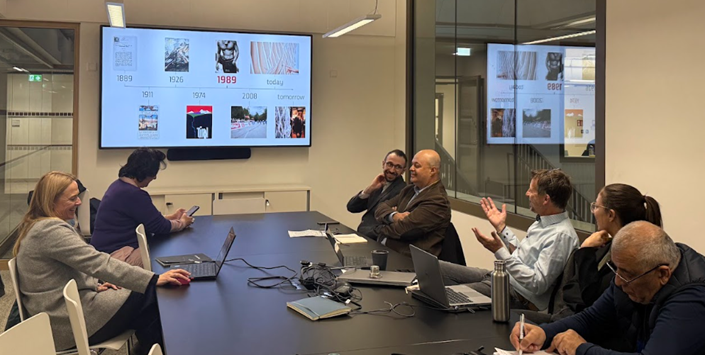
On the final day of the visit, a public discussion was organised around a presentation given by the Tirol Werbung (Tyrol Tourist Board) at the University of Innsbruck. Tirol Werbung showed their strategic goals, marketing initiatives, and regional cooperation structures in Tyrol, which sparked fruitful discussions. Finally, an internal project consortium meeting was held with the project partners. This concluding session served to reflect on the visit's outcomes, evaluate new insights gained, and plan future project activities. The visit not only deepened the partnership between UIBK and TSU but also created valuable space for stakeholder dialogue, mutual learning, and transnational knowledge exchange – key elements for building resilient mountain tourism destinations.